


Journal
Designed Once, Worn Forever
14th April 2026
There is a quiet shift happening in the way people think about ownership. It is not loud, not trend-driven, and not defined by rapid cycles of consumption. Instead, it is measured, deliberate, and rooted in a single idea: fewer things, chosen better.
In a world that has spent decades encouraging more, more options, more purchases, more turnover, there is a growing appreciation for restraint. Not as limitation, but as refinement. Nowhere is this more visible than in the way we approach what we wear, and more specifically, what we choose to wear every day.
The idea of designing something once and wearing it forever would have once felt unrealistic. Today, it feels like the most logical expression of modern luxury.
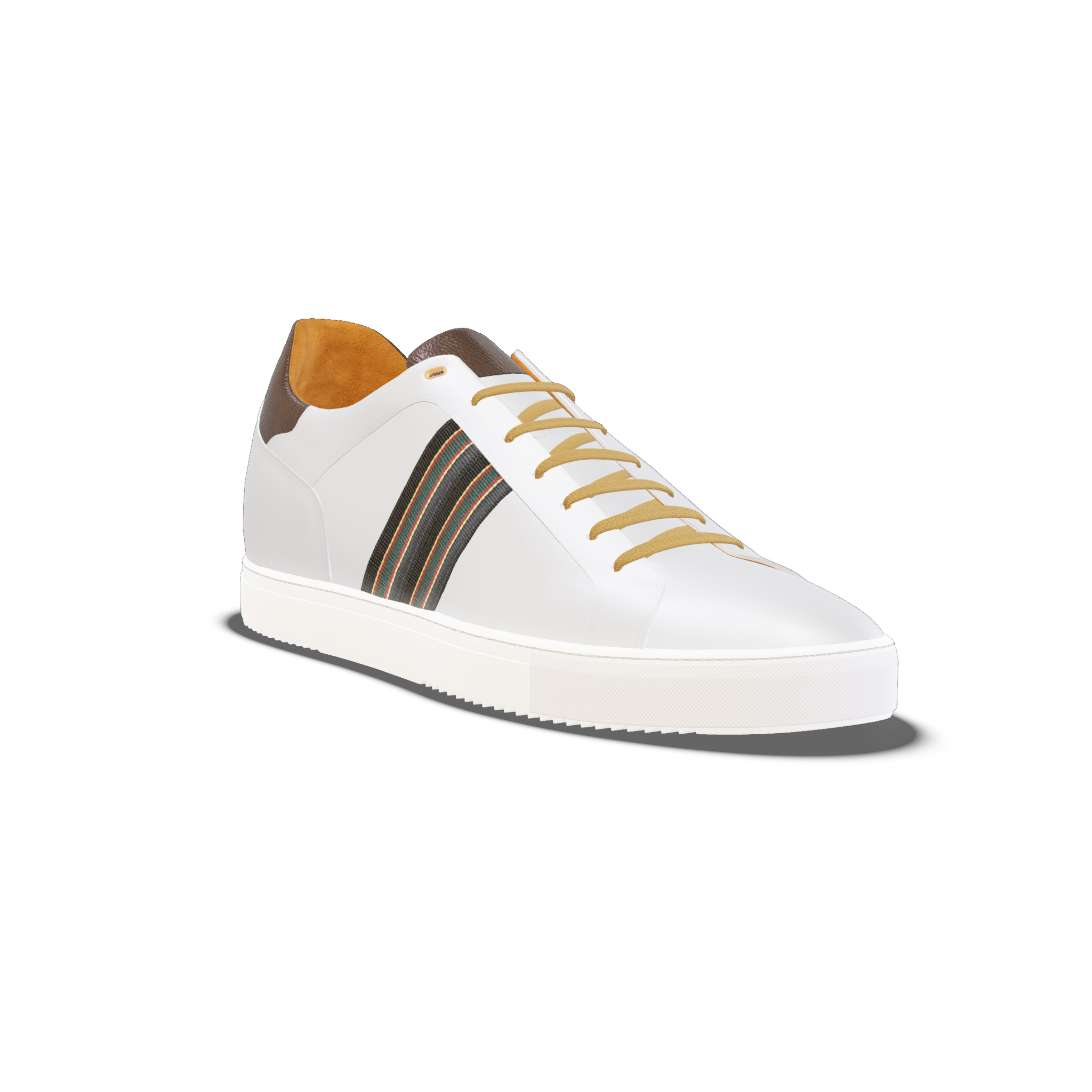
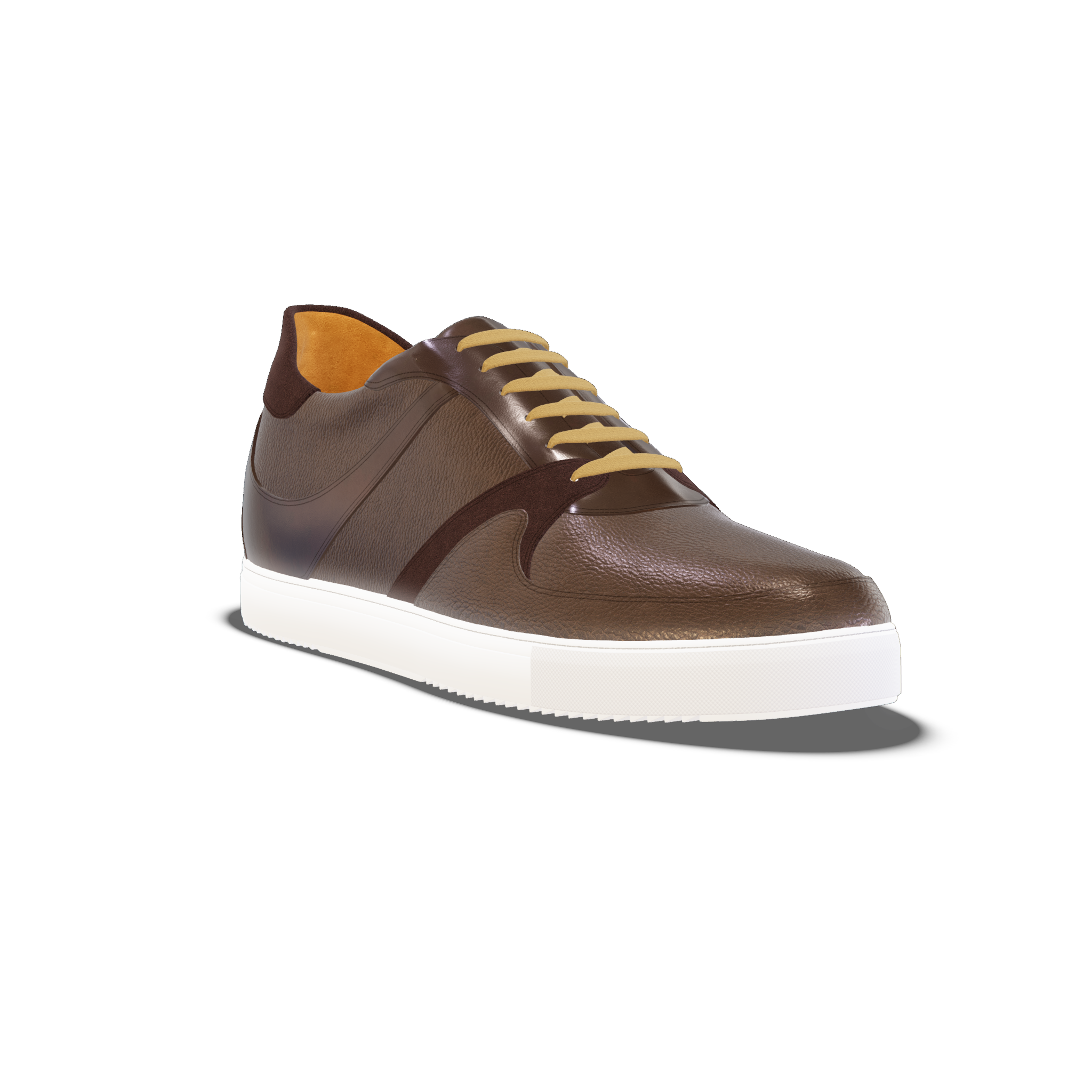
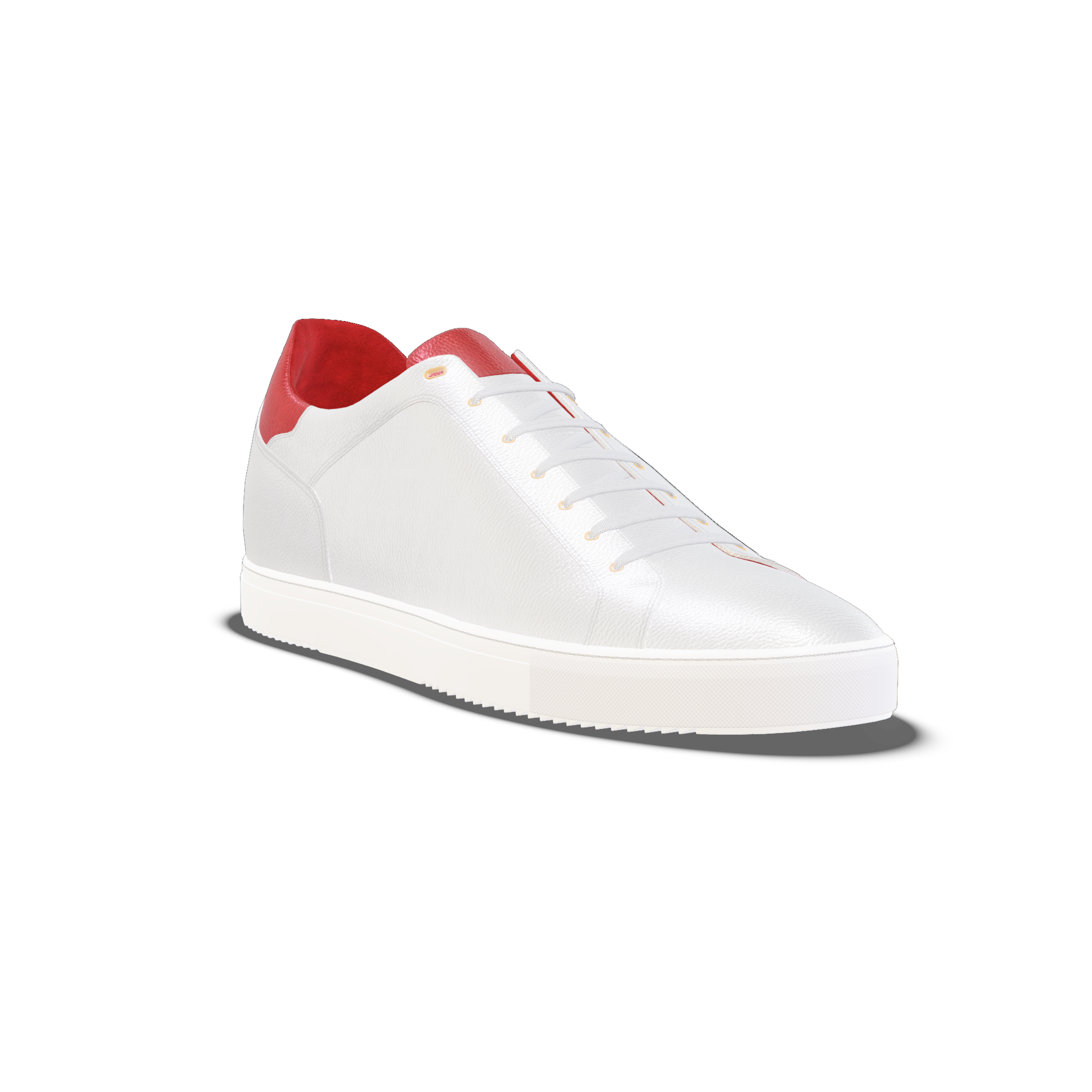
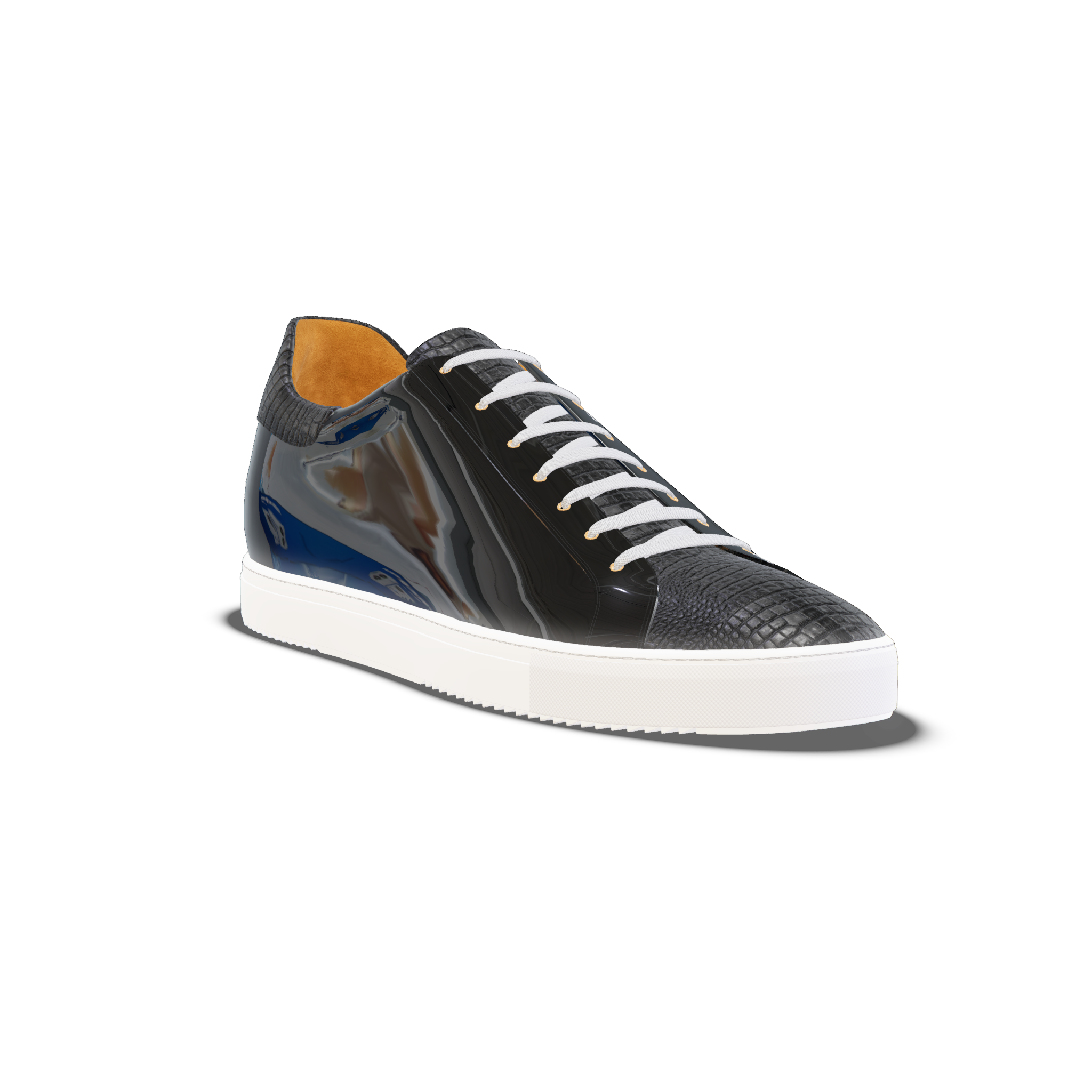
For those investing in custom made sneakers, handmade sneakers UK, and luxury handmade sneakers, the shift is not simply about aesthetics. It is about mindset. It is about stepping away from the impulse to acquire and moving towards the intention to keep.
Explore how this shift is reshaping ownership in: The Ownership Era – Why Modern Consumers Care More About Keeping Than Buying
The Moment of Design: Where Value Is Created
The most important moment in the lifecycle of a product does not happen when it is worn. It happens long before that, at the point of decision.
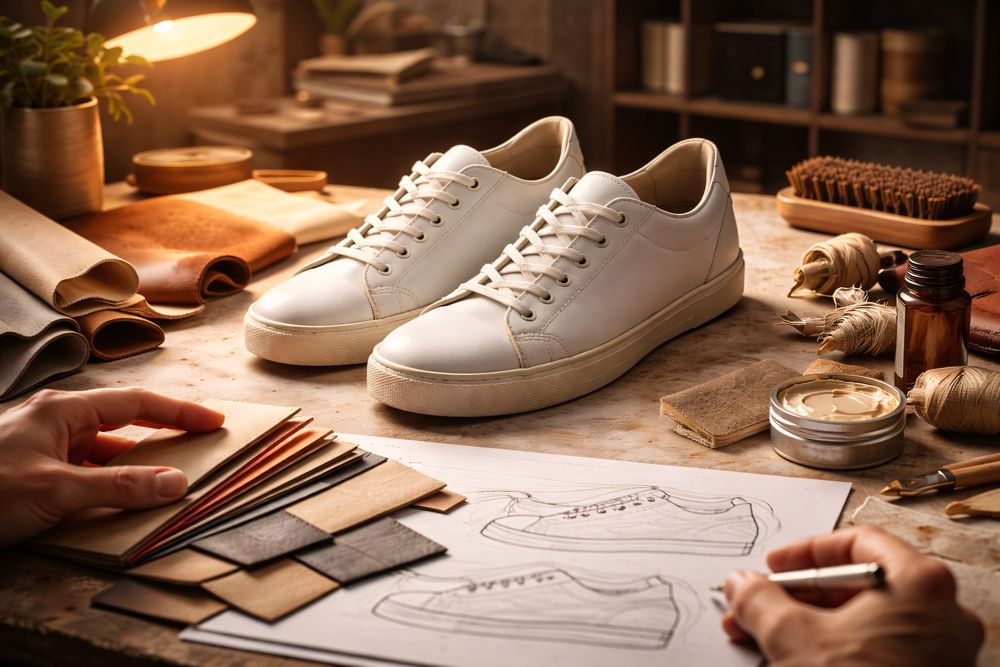
Designing a pair of sneakers, particularly through a custom process, introduces a level of consideration that traditional retail removes. Instead of selecting from a pre-determined set of options, the wearer is asked to participate. To choose. To think.
This shift is subtle, but powerful.
When faced with choice, people begin to ask different questions. Not “what do I like right now?” but “what will I still like in five years?” Not “what stands out?” but “what will remain relevant?”
This is the foundation of designing fewer, better products.
The process itself becomes an exercise in restraint. Colour palettes become more considered. Materials are chosen for how they age, not just how they appear. Silhouettes lean towards simplicity, because simplicity survives time.
This is why platforms like the Jasperosso Custom Sneaker Design Experience are not just tools, they are filters. They naturally guide users away from impulse and towards intention.
And intention, more than anything, is what creates longevity. Explore further in How a Sneaker Reflects Your Personality.
The Permanence of a Good Decision
A well made sneaker does not rely on novelty to remain relevant. It relies on clarity.
The best design decisions share a common quality: they do not demand attention. They integrate. They adapt. They become part of a wider wardrobe without dominating it.
This is what gives them permanence.
Where trend led sneakers often feel exciting in the moment but restrictive over time, timeless designs do the opposite. They may feel understated at first, but their value compounds with every wear. They work with more outfits, in more settings, across more seasons.
This is why brands such as Common Projects have built their reputation not on constant reinvention, but on consistency. The design does not change because it does not need to.
For the wearer, this creates a different kind of relationship. Instead of cycling through options, there is a sense of reliance. A quiet confidence that what was chosen once will continue to work, again and again.
This is the essence of “worn forever.” Not literally unchanged, but continuously relevant.
Impulse vs Intention: The Hidden Cost of Choice
Modern retail is designed for speed. New arrivals, limited drops, seasonal edits, all engineered to create urgency. The faster the decision, the more likely it is to be driven by emotion rather than clarity.
Impulse buying thrives in this environment.
But impulse has a cost. Not always financial, but cumulative. Products purchased quickly are often discarded just as quickly. They fail to integrate, fail to endure, and ultimately fail to justify their presence.
In contrast, intentional purchases behave differently.
They are slower. More considered. Sometimes even uncomfortable in their deliberation. But once made, they tend to last. Not because they are forced to, but because they fit—both physically and psychologically.
This contrast is becoming more visible as consumers reassess their habits. The idea of owning ten average pairs of sneakers is beginning to feel less appealing than owning one exceptional pair.
Even within mainstream brands like Nike, the volume of releases often works against longevity. Constant change reduces attachment. When something is easily replaced, it is rarely valued.
Designing once, with intention, removes that cycle entirely. Explore further In Luxury, Not Loud – The Rise of Quiet Customisation
Emotional Durability: The Missing Layer of Luxury
Durability is often discussed in physical terms. How long a material lasts. How well a sole holds. How resistant a product is to wear.
But there is another form of durability that is less visible, yet arguably more important: emotional durability.
This is what determines whether something is kept, not just whether it can be.
A sneaker that remains structurally intact but loses its relevance will still be replaced. A sneaker that continues to feel right, visually, physically, and emotionally, will stay in rotation long beyond expectation.
This is where customisation plays a defining role.
When a product reflects personal choice, it carries more weight. It is not just something you bought; it is something you decided. That distinction creates attachment. And attachment creates longevity. Explore further in Meet the Makers – The Artisans Behind Your Sneakers
Over time, this relationship deepens. The sneaker begins to hold memory. Not in a literal sense, but through association. Where it has been worn. What it has been part of. How it has adapted.
This is why heritage brands like Berluti place such emphasis on patina. Age is not something to be hidden, but something to be expressed.
The same applies here. A well-designed sneaker does not lose value as it ages. It gains meaning.
Fewer, Better: A Shift in Modern Luxury
The concept of “fewer, better” is no longer niche. It is becoming the defining characteristic of modern luxury.
Consumers are moving away from accumulation and towards curation. The question is no longer how much is owned, but how well each item performs over time.
This shift is driven by multiple factors. Awareness of sustainability. Fatigue from overconsumption. A desire for simplicity. But at its core, it is driven by experience.
Owning fewer products, but better ones, creates clarity. It reduces decision fatigue. It increases satisfaction. It allows each item to be used more fully, more frequently, and more meaningfully.
In footwear, this manifests as a move towards timeless, versatile designs. Sneakers that can be worn across contexts. That do not rely on trends to justify their presence.
This is where Jasperosso positions itself:
- Designed by you
- Made in Italy
- Built to remain
Conclusion: The Luxury of Getting It Right the First Time
Designing once and wearing forever is not about perfection. It is about alignment.
It is about making decisions that remain true beyond the moment they are made. Choosing materials that improve with time. Colours that settle rather than fade. Forms that integrate rather than dominate.
It is about stepping away from the idea that value is found in variety, and recognising that it is often found in consistency.
A well designed sneaker does not ask to be replaced. It simply continues to work.
And in a world built on constant change, that might be the most luxurious quality of all.
By Jasper Trumble