


Journal
The Psychology of Wearing: How Your Shoes Influence How You Move Through the World
Style doesn’t just change how you look. It changes how you behave.
7th January 2026
Shoes Are Never Just Shoes
We like to believe we dress rationally. Comfort. Practicality. Weather. Occasion.
But anyone who has ever walked a little taller in a new pair of shoes knows the truth: what we wear doesn’t just cover us, it changes us.
Shoes, in particular, operate at a psychological level most people never consciously consider. They affect posture, confidence, pace, even how willing we are to step into unfamiliar spaces. The right pair doesn’t simply support your feet. It supports your sense of self.
This connection between clothing and behaviour is explored further in The Psychology of Personalisation: Why We Crave Bespoke Products, where emotional investment plays a powerful role in how we value what we wear.
Why What You Wear Changes How You Move
Psychologists refer to a concept called enclothed cognition, the idea that clothing influences the wearer’s mental processes. In simple terms: what you wear shapes how you think and behave.
Shoes are especially influential because they determine how you move through physical space. When footwear feels balanced, comfortable, and considered, movement becomes more confident. Steps are more decisive. Posture improves. Hesitation fades.
This is why thoughtfully designed mens designer sneakers and women’s designer trainers feel different from the moment you put them on, they remove friction, both physical and mental.
Confidence Begins at Ground Level
Confidence isn’t always loud. Often, it’s subtle, a quiet ease that others sense without being able to name.
Well-made mens designer trainers and women’s designer sneakers contribute to this ease by eliminating distraction. When you’re not thinking about discomfort, awkward proportions, or whether your shoes feel out of place, your attention shifts outward, towards people, conversations, and experiences.
That effortless confidence is a recurring theme in The Making of a Modern Classic: How Jasperosso Designs with Timelessness in Mind, where proportion and balance are treated as psychological as well as aesthetic tools.
Shoes as Identity Markers
Footwear speaks before you do.
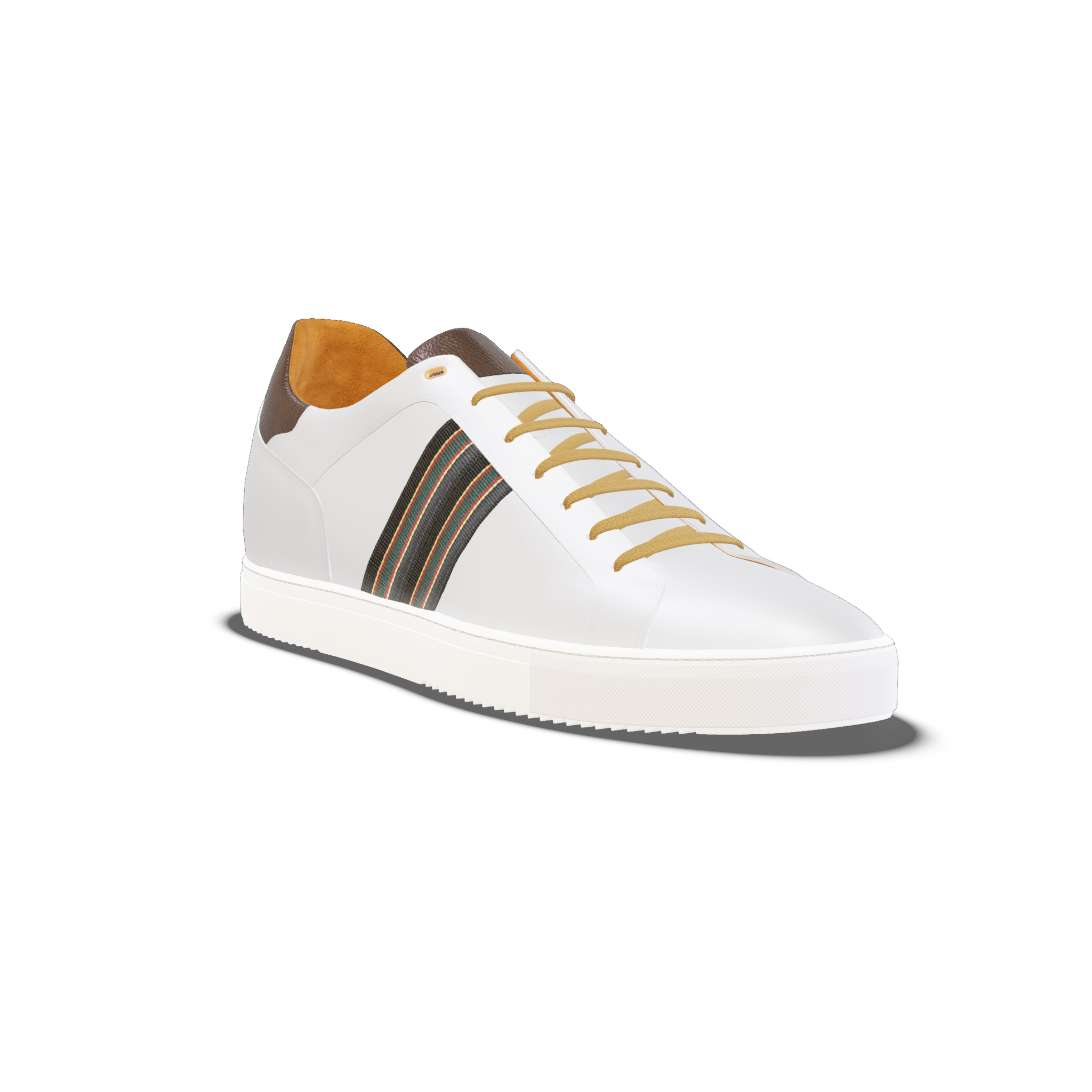
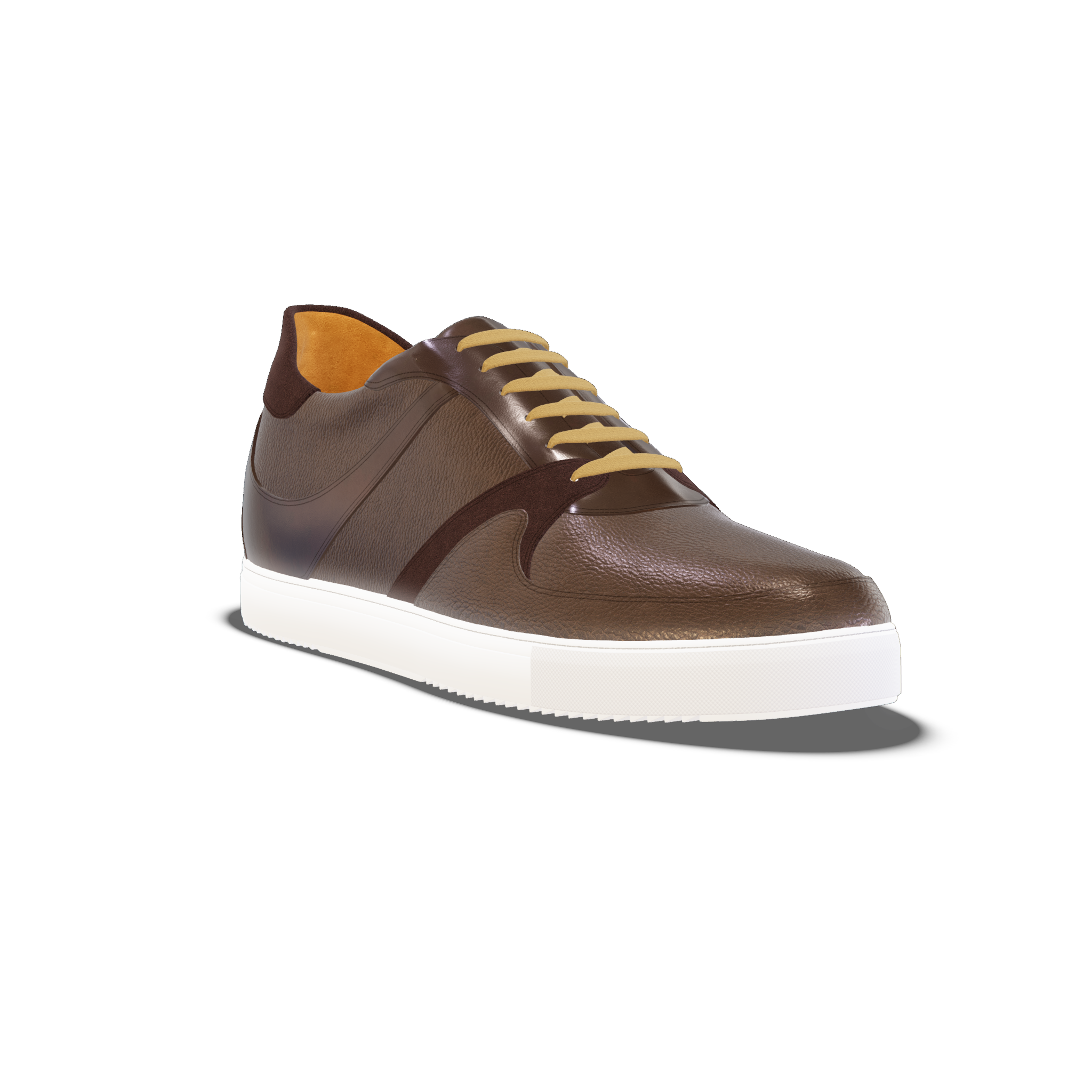
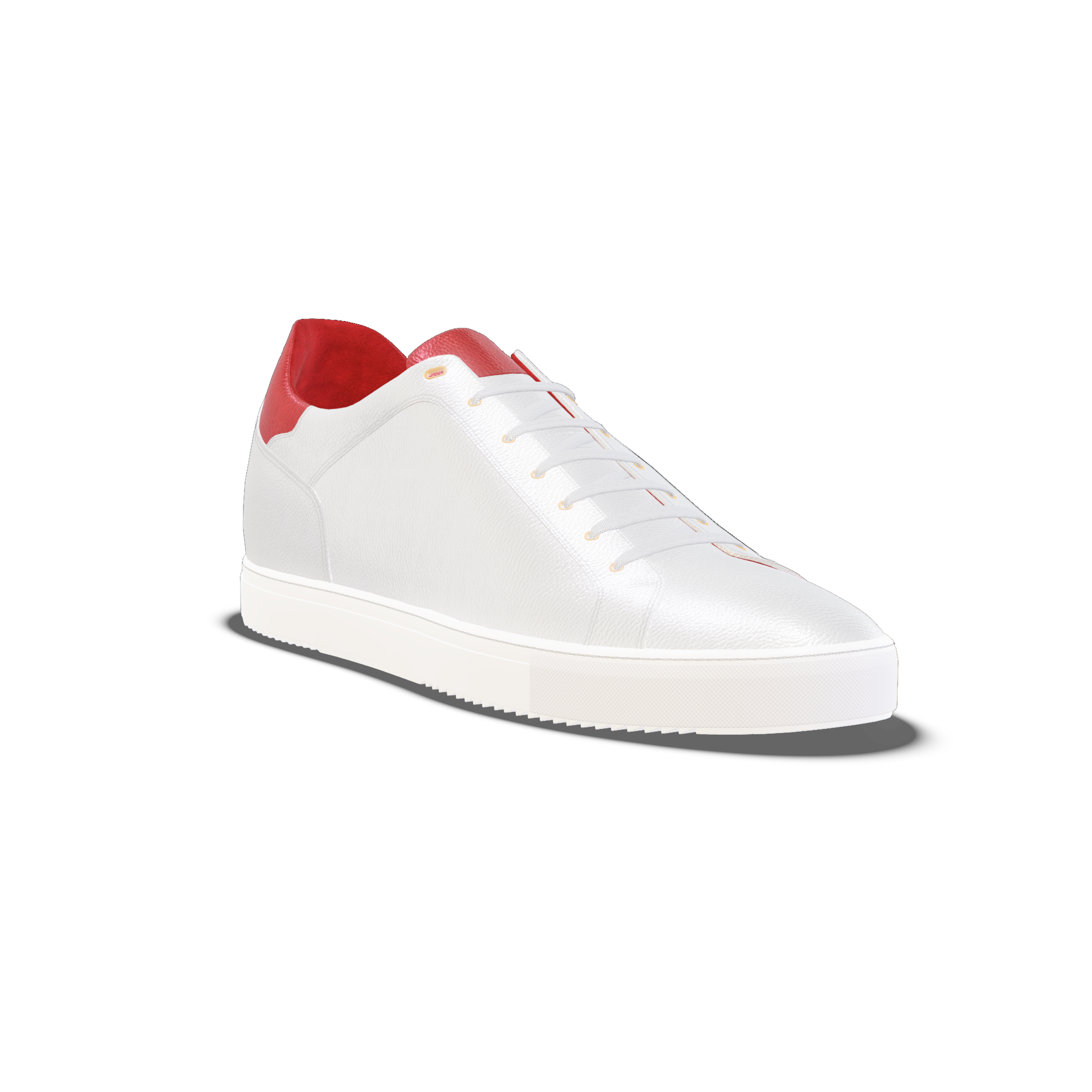
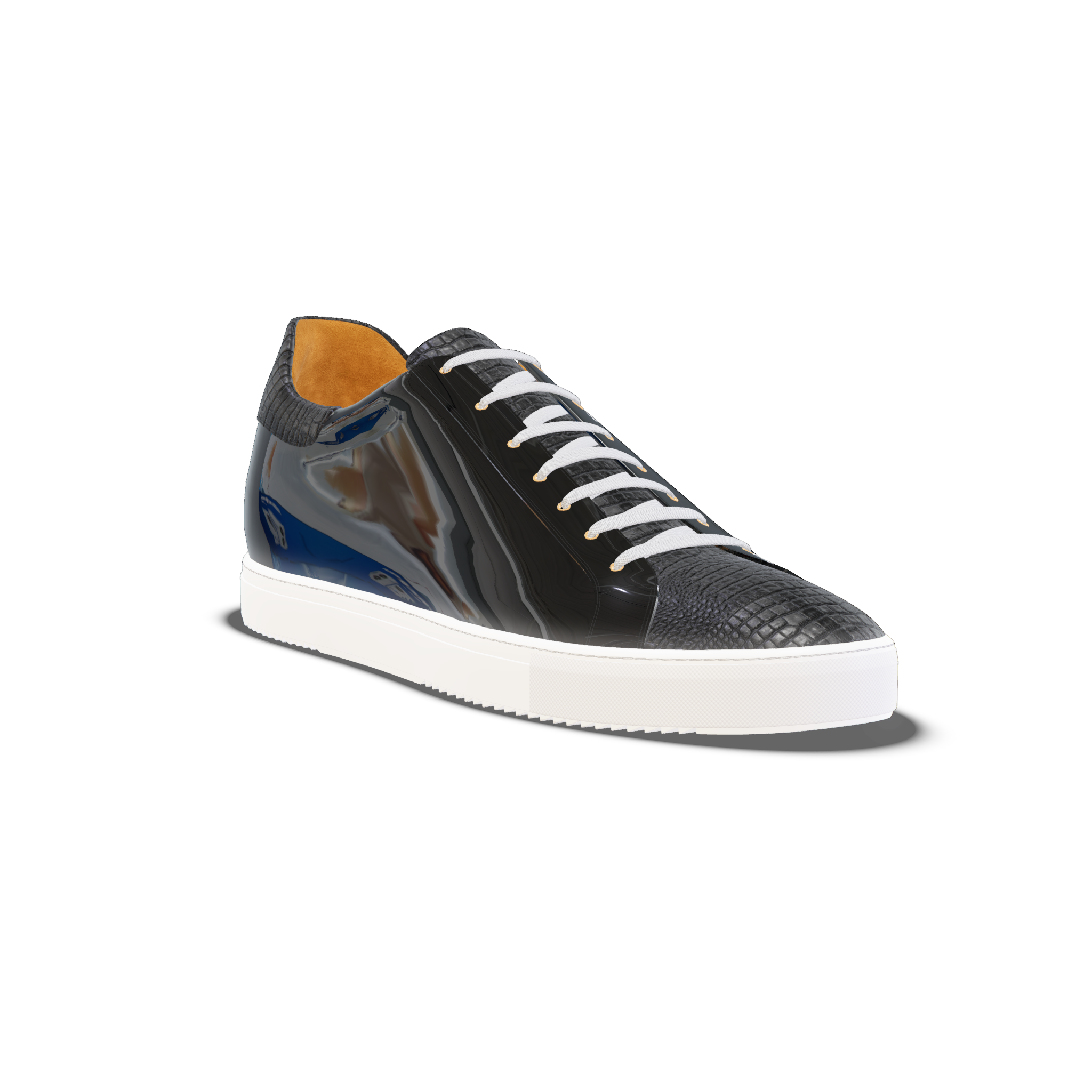
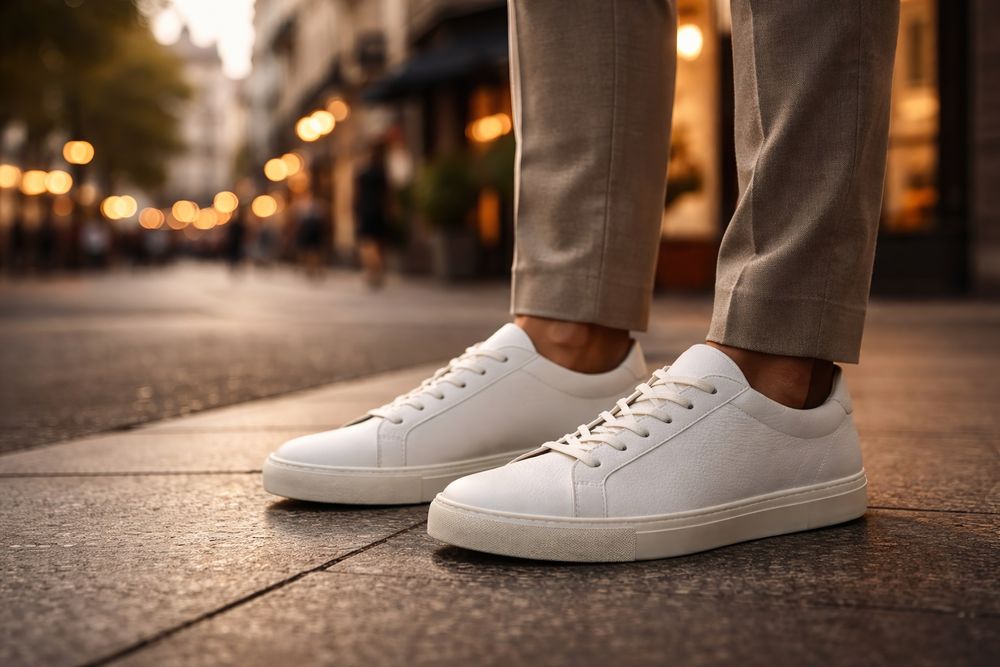
Clean leather sneakers suggest care. Minimal silhouettes imply restraint. Thoughtful design hints at discernment. These signals are rarely conscious, but they are powerful.
Handmade sneakers, in particular, communicate intention. They suggest that the wearer values quality over immediacy and longevity over novelty, a mindset often shared by those seeking handmade sneakers UK.
This quiet signalling aligns with the philosophy explored in Luxury, Not Loud: The Rise of Quiet Customisation, where understatement becomes a form of confidence rather than absence.
Why Handmade Sneakers Feel Different
There is a psychological difference between wearing something mass-produced and wearing something crafted.
Handmade sneakers carry presence. You feel the material. You notice the structure. Over time, the shoe adapts to you, not the other way around. This creates familiarity, and familiarity breeds confidence.
The journey behind this process is explored in Leather Diaries: From Tannery to Sneaker — The Journey Behind Your Sole, where material quality and human involvement shape not just durability, but experience.
Good shoes don’t disappear as they age.
They become part of you.
The Power of Wearing What You Designed
Personalisation adds another layer to the psychology of wearing.
When you design your own footwear, you move from consumer to participant. Your choices, leather, colour, lining, finish, create ownership that goes beyond purchase.
This shift is enabled by the process detailed in Behind the Digital Canvas: How Our 3D Customiser Reinvents Bespoke, where technology allows individuality without compromising craftsmanship.
It’s why custom made sneakers are worn longer and valued more deeply: they aren’t interchangeable. They’re specific.
Familiar Shoes, Emotional Grounding
There’s comfort in the known.
A familiar pair of sneakers can feel grounding, particularly in unfamiliar environments. Travel, new cities, busy schedules, when everything else is in flux, reliable footwear provides a sense of stability.
This emotional grounding is reflected in Travel in Sole-Style: From Airport to Aperitivo, where versatility and familiarity allow wearers to move confidently between contexts.
In psychological terms, good shoes become anchors.
Style as a Daily Ritual
True style isn’t performative. It’s habitual.
The most confident dressers aren’t reinventing themselves every morning. They’ve curated wardrobes that reflect who they are, allowing them to dress without friction or doubt.
A well-designed pair of mens designer sneakers or women’s designer trainers plays a key role in this ritual, bridging casual and considered with ease.
This idea of intentional curation also underpins The Collector Mindset: Curating Sneakers That Grow With You, where long-term thinking replaces impulse.
Moving Through the World with Assurance
The way you enter a room matters, not because people are judging your shoes, but because you are responding to how you feel in them.
Well-crafted sneakers encourage a natural confidence, grounded, unforced, and calm. The kind that allows you to be present rather than self-conscious.
You’re less aware of yourself.
More aware of what’s happening around you.
Why This Matters More Than Ever
Modern life demands flexibility. We move between work and leisure, travel and routine, formality and ease, often in the same day.
Our footwear has to keep up, not just physically, but psychologically. This is why thoughtfully designed, handmade sneakers are no longer indulgences. They are tools for navigating a complex, fast-moving world.
When you’re ready to invest in that experience, you can design your own custom made sneakers, crafted with intention and worn with confidence.
Closing Thought
The shoes you choose don’t just take you places.
They influence how you arrive.
How you stand.
How you move.
How you feel while doing it.
When your footwear reflects intention, when it’s crafted, personal, and comfortable, it quietly shapes the way you move through the world.
And that’s a powerful thing to wear every day.

By Katy Trumble