


Journal
The Anti-Collection: Why One Pair Is Enough
21st April 2026
For years, the idea of a sneaker collection has been positioned as the pinnacle of enthusiasm. Rows of boxes, carefully stored pairs, limited releases preserved in near-perfect condition, ownership measured in volume rather than use. The more you had, the more invested you appeared. The more you rotated, the more considered your style was assumed to be.
But that narrative is beginning to fracture.
There is a growing sense that accumulation, particularly in footwear, no longer equates to refinement. Instead, it often creates distance. Sneakers become objects to manage rather than items to wear. Decisions become more frequent, but less meaningful. The collection grows, but the connection weakens.
In its place, a quieter philosophy is emerging. One that suggests that the most valuable pair of sneakers is not one of many, but the one that is worn the most. The one that integrates seamlessly into daily life. The one that does not need to be rotated out, replaced, or reconsidered.
The anti-collection is not about having less for the sake of it. It is about having exactly what is needed and nothing more.
The End of the Rotation
Rotation has long been presented as a sign of care. By alternating between pairs, wear is distributed, longevity is preserved, and variety is maintained. On the surface, it appears logical.
Yet in practice, rotation often introduces friction.
The act of choosing between multiple pairs each day adds a layer of unnecessary decision-making. It creates comparison where none is needed. It subtly reinforces the idea that no single pair is sufficient on its own.
More importantly, it prevents depth of use. Sneakers that are worn occasionally never fully adapt. They remain slightly unfamiliar, never reaching that point where comfort becomes instinctive. They are kept in circulation, but never fully integrated.
In contrast, a single pair worn consistently behaves differently. It moulds more quickly, responds more precisely, and becomes easier to rely on. The relationship deepens, not through preservation, but through repetition, as seen in The Luxury of Familiarity – Why We Wear the Same Sneakers Again and Again.
This is where the concept of rotation begins to lose its appeal. Not because it is inherently flawed, but because it belongs to a different mindset, one built around maintenance rather than ownership.
From Collecting to Choosing
Collecting is often driven by opportunity. A new release appears, a different colourway becomes available, a variation feels justifiable. Each addition is small, but cumulative. Over time, the collection expands not through intention, but through momentum.
Choosing, on the other hand, is different. It is slower, more deliberate, and often more demanding. It requires clarity. It forces the individual to consider not just what they like, but what they will continue to like.
This distinction is critical.
A collection can absorb inconsistency. A single pair cannot. It has to work across contexts, across outfits, across seasons. It has to justify itself repeatedly.
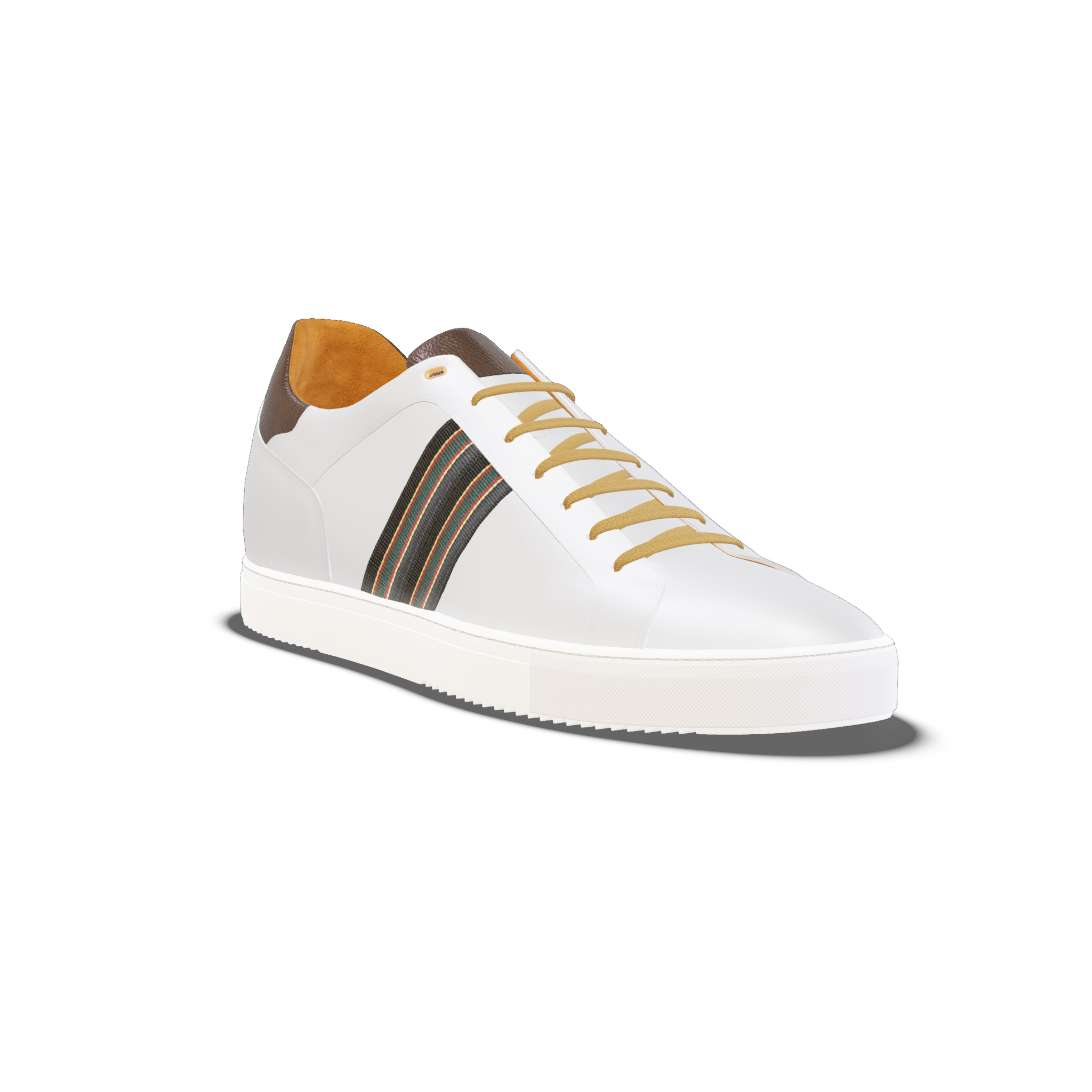
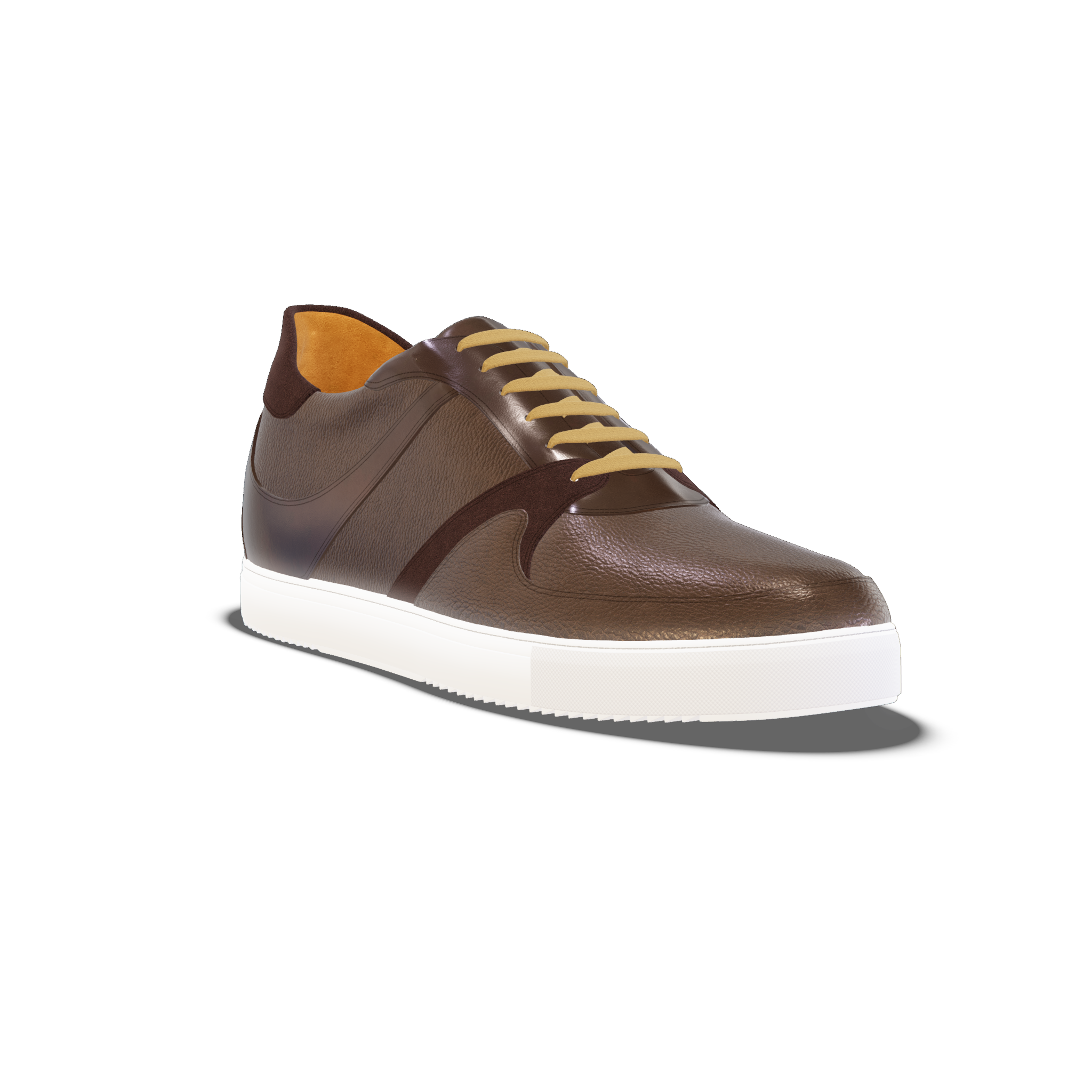
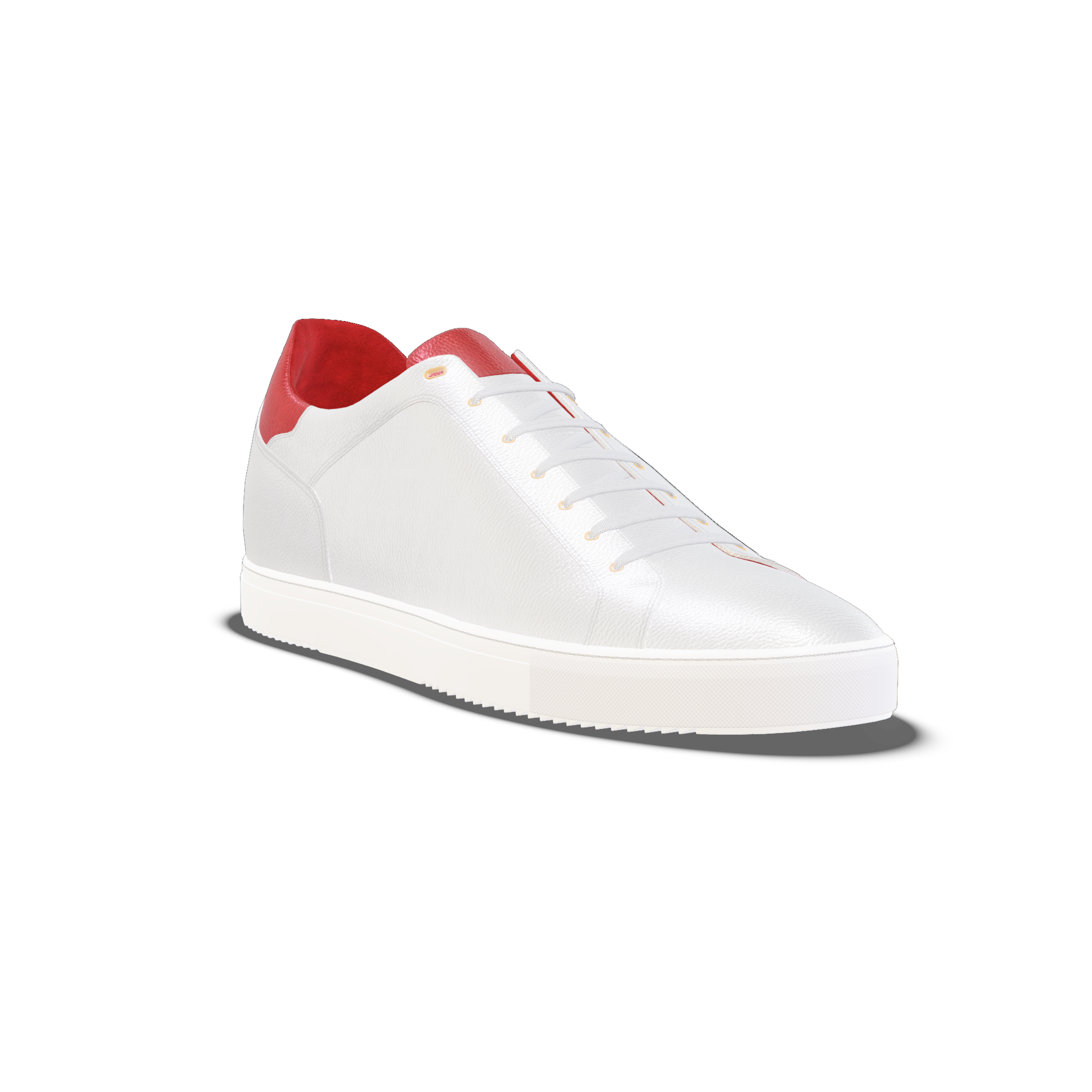
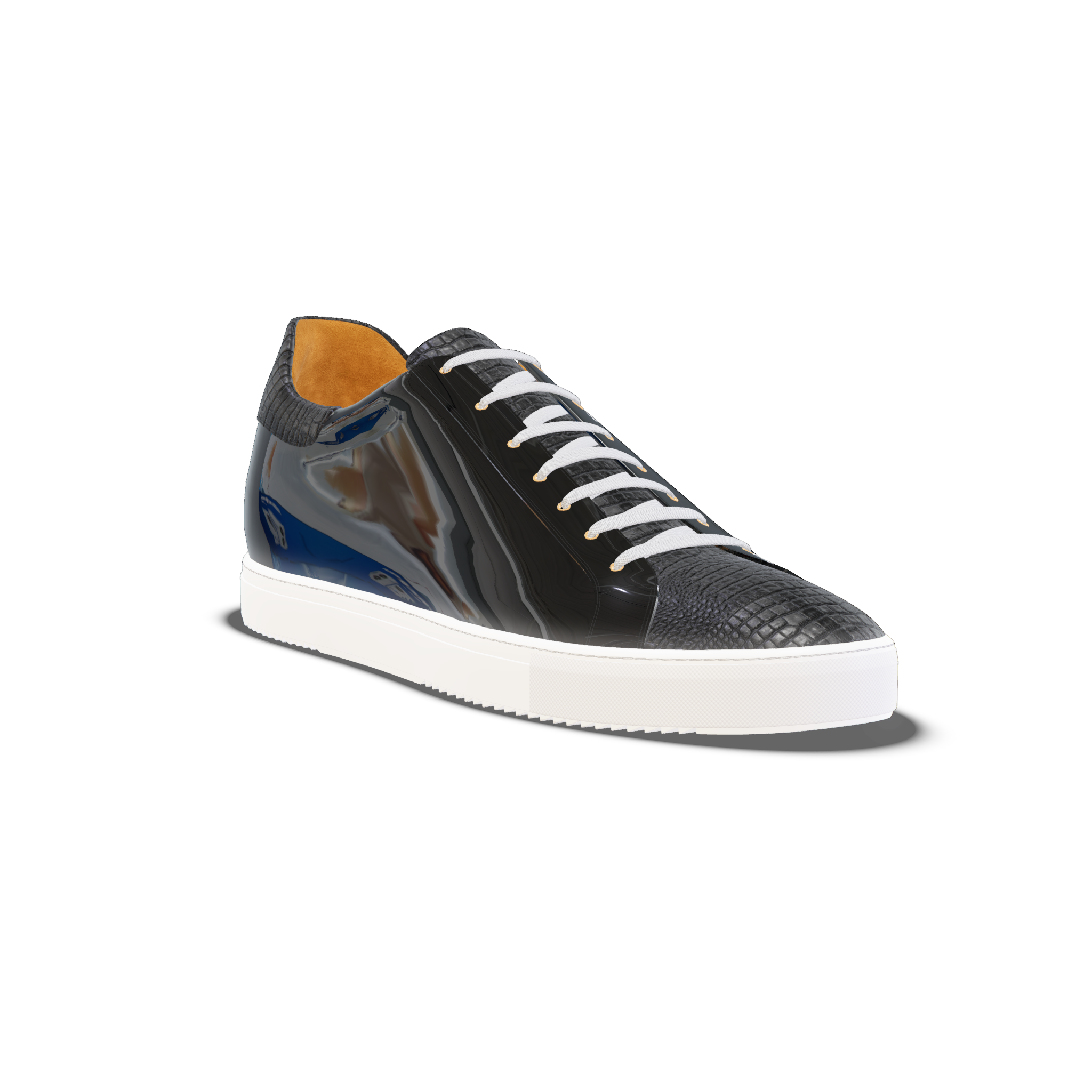
This is why customisation becomes so powerful. When designing a pair through a process like thIs, the wearer is naturally guided towards better decisions. Colours become more restrained. Materials are chosen for longevity. Details are simplified.
The process filters out impulse, leaving only what is essential. Explore further here, How a Sneaker Reflects Your Personality
And what remains is often enough.
Depth Over Quantity
There is a fundamental difference between owning many things and knowing one thing well.
A sneaker that is worn occasionally remains static. It looks similar each time it is used, because it has not been given the opportunity to evolve. Its materials have not softened fully. Its structure has not adapted completely.
A sneaker that is worn daily tells a different story. It changes. It develops character. It begins to reflect the individual wearing it.
This is particularly true with high-quality materials. Full-grain leather, for example, responds to use in a way that synthetic materials cannot. It softens, deepens in tone, and develops a patina that is unique to the wearer.
This is why brands like Berluti have built their identity around ageing rather than resisting it. The product is not complete at the point of purchase. It is completed over time. As seen in What Your Sneakers Will Look Like in Ten Years (If You Bought Well).
Depth of use allows this transformation to happen. Quantity prevents it.
The Illusion of Variety
One of the primary justifications for collecting is variety. Different colours for different outfits. Different styles for different moods. Different options for different occasions.
But when viewed objectively, much of this variety is superficial.
Many collections consist of slight variations on the same theme. White sneakers with marginally different silhouettes. Neutral tones with minor shifts in shade. Designs that appear distinct in isolation, but redundant in practice.
This creates an illusion of diversity without delivering meaningful difference.
In contrast, a single well-designed pair can cover a wide range of use cases. Neutral tones, clean lines, and balanced proportions allow it to integrate across styles. It becomes versatile not because it tries to be everything, but because it avoids being too specific.
This is why minimalist brands such as Common Projects have maintained such longevity. Their restraint is what allows for adaptability.
Variety, in this context, becomes less about ownership and more about styling.
The Capsule Wardrobe Starts at Your Feet
The concept of a capsule wardrobe is built on simplicity. Fewer pieces, chosen carefully, designed to work together seamlessly. Each item earns its place through versatility and consistency.
Footwear plays a central role in this system.
A single pair of sneakers, if designed correctly, can anchor an entire wardrobe. It removes uncertainty. It simplifies decisions. It creates a foundation that everything else can build upon.
This is where the anti-collection aligns perfectly with modern dressing habits. Instead of selecting shoes to match outfits, outfits are built around a consistent base.
This shift reduces friction. It allows for faster decisions without sacrificing style. It creates coherence, not through effort, but through structure. As seen here Luxury, Not Loud – The Rise of Quiet Customisation
And it reinforces the idea that one well-chosen pair is not limiting, it is enabling.
The Psychology of Enough
At the heart of the anti-collection is a simple question: how much is enough?
In a culture that constantly encourages more, the concept of enough can feel unfamiliar. There is always another option, another release, another variation that appears to add value.
But satisfaction rarely comes from addition. It comes from alignment.
When a product meets all functional, aesthetic, and emotional needs, the desire for more diminishes. Not because it is suppressed, but because it is unnecessary.
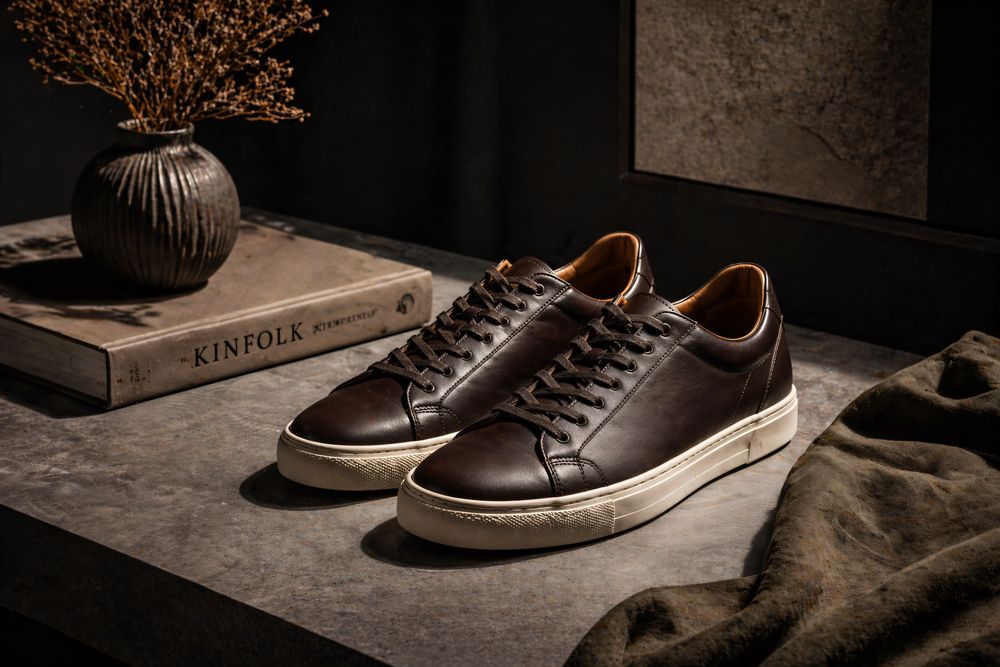
This is where intentional design becomes critical. A sneaker that fits well, looks appropriate in multiple contexts, and improves over time naturally reaches this point of completion.
It does not need to be supplemented.
This is the difference between consumption and ownership. Consumption seeks the next addition. Ownership recognises when nothing more is required.
Luxury Without Excess
Luxury has traditionally been associated with abundance. More materials, more detail, more visibility. But this definition is evolving.
Modern luxury is increasingly defined by restraint.
It is found in the quality of materials rather than the quantity. In the precision of construction rather than the complexity of design. In the ability to remain relevant rather than the need to stand out.
This is why the anti-collection is not a rejection of luxury, but a refinement of it.
Owning one exceptional pair of sneakers, designed with intention and built to last, aligns more closely with contemporary values than owning many average ones. It reflects confidence. It signals clarity. It prioritises substance over display. Explore further In Meet the Makers – The Artisans Behind Your Sneakers
Jasperosso exists within this space:
- Designed by you
- Made in Italy
- Built for permanence
Conclusion: One Pair, Fully Realised
The idea that one pair of sneakers is enough may seem restrictive at first. But in practice, it is liberating.
It removes unnecessary decisions. It eliminates redundancy. It allows for a deeper relationship with what is owned.
Most importantly, it shifts the focus from accumulation to experience.
A single pair, worn consistently, becomes more than just footwear. It becomes familiar. Reliable. Personal.
And in a world defined by excess, that kind of clarity is rare.
Not everything needs to be collected.
Some things only need to be chosen, once, and well.

By Jasper Trumble