


Journal
What We Mean by “Luxury” in 2026 (And Why the Old Definition No Longer Works)
Luxury didn’t disappear. It grew up.
9th February 2026
Introduction: When Luxury Lost Its Vocabulary
Luxury used to be easy to recognise.
It was louder. Heavier. More obvious. It arrived with logos, spectacle, and the implicit promise that visibility equalled value. To own something expensive was to announce it, preferably from across the room.
That definition no longer holds.
In 2026, luxury hasn’t vanished, but it has shifted. It has become quieter, more personal, and crucially more integrated into daily life. The old signals still exist, but they no longer carry the authority they once did.
This article explores what luxury means now, why the old definition stopped working, and how brands like Jasperosso exist not as exceptions to the new rules but as proof of them.
When Price Stopped Being the Point
Price once functioned as a shortcut. High cost implied quality, rarity, and prestige. Today, it mostly implies… expense.
Consumers are better informed. Materials can be researched. Manufacturing claims can be verified. Craftsmanship is scrutinised, not assumed.
This has fundamentally changed how value is perceived. A high price without clarity now feels suspicious rather than aspirational.
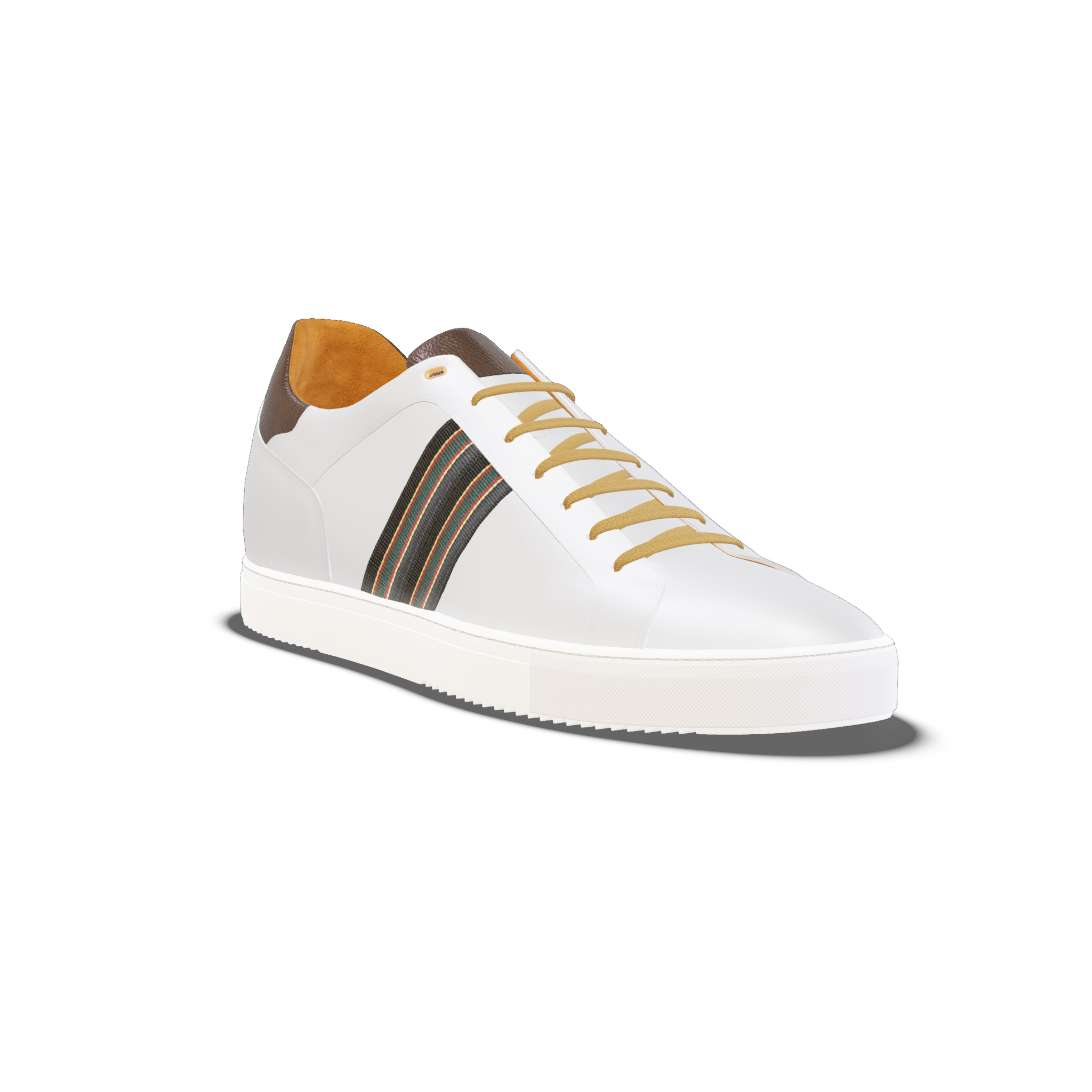
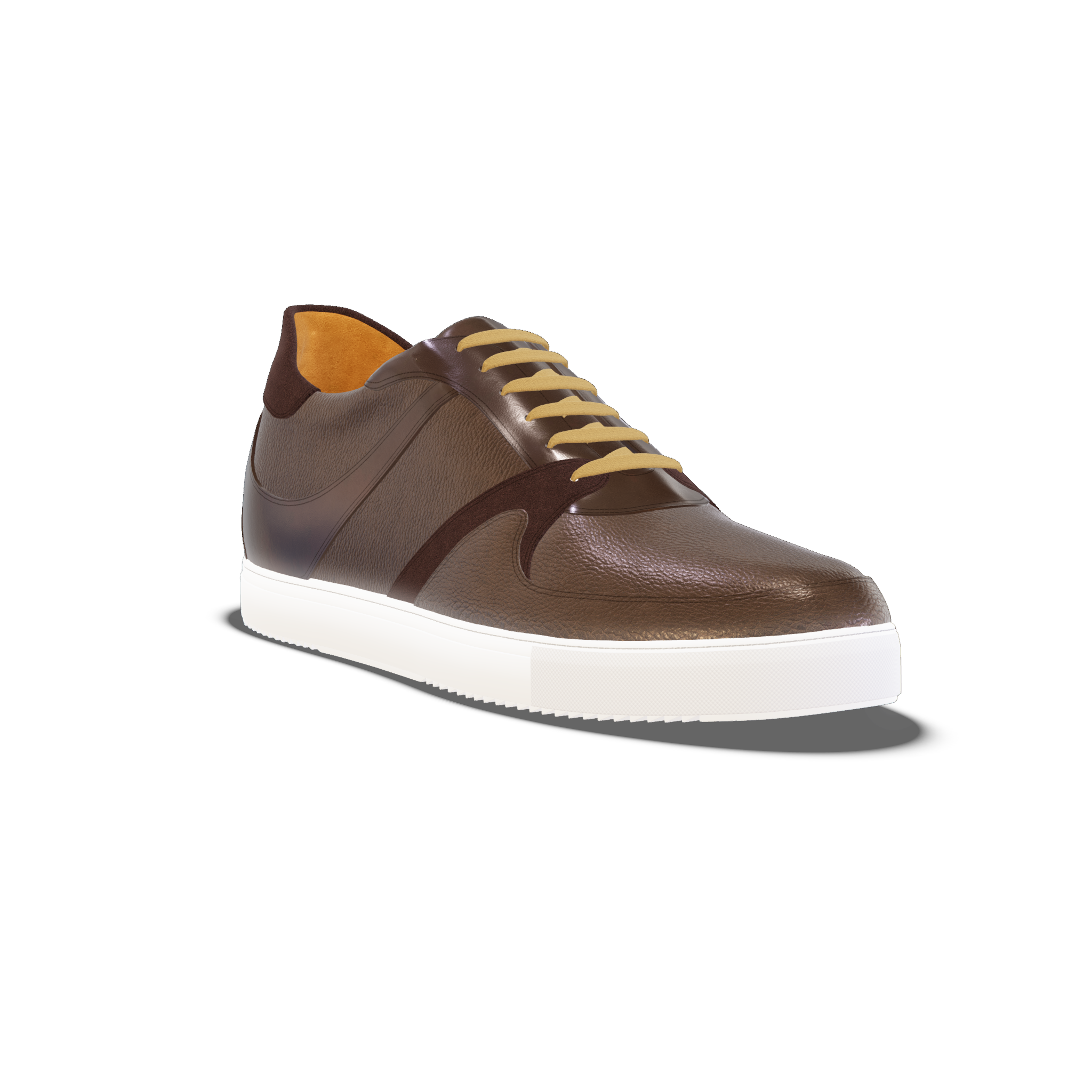
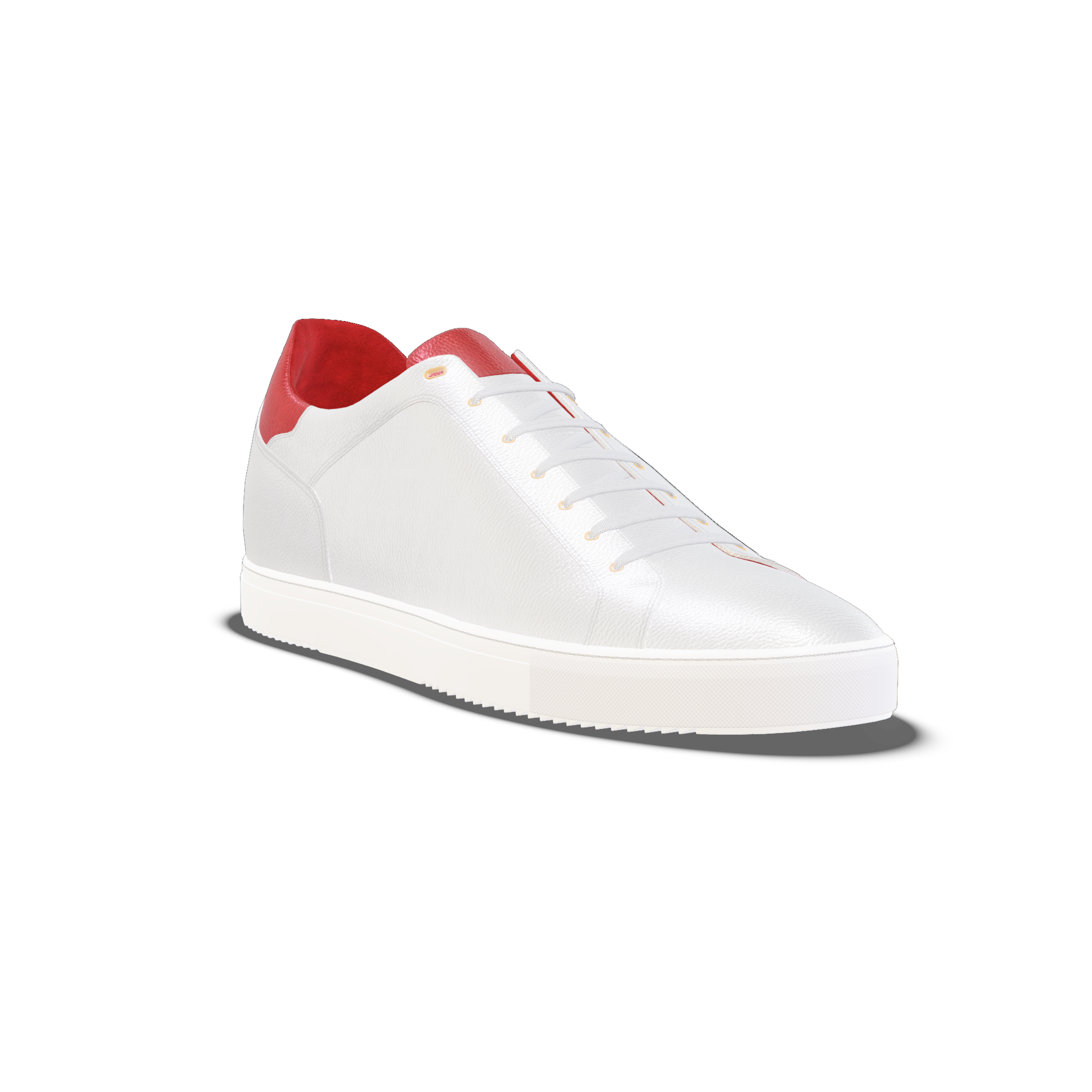
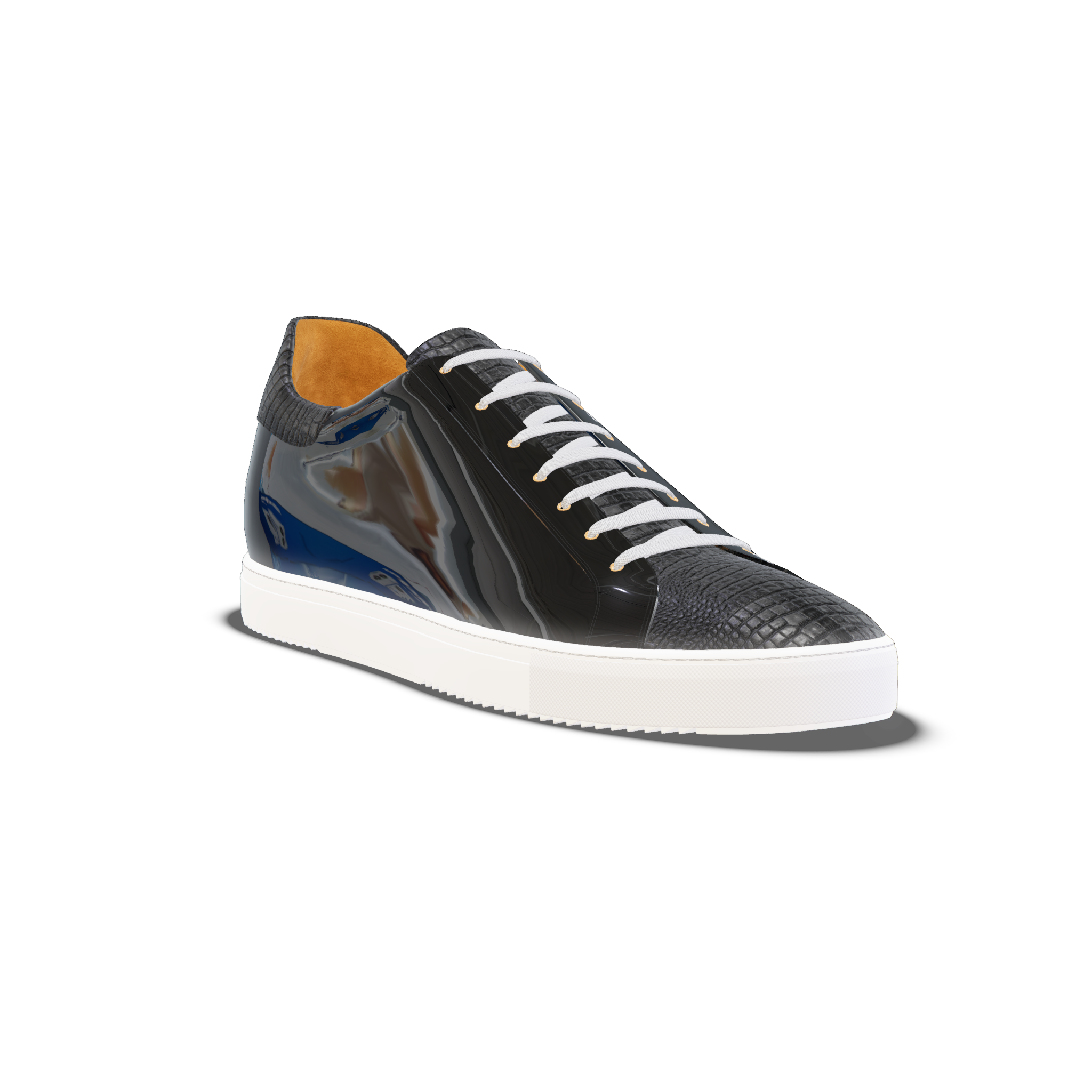
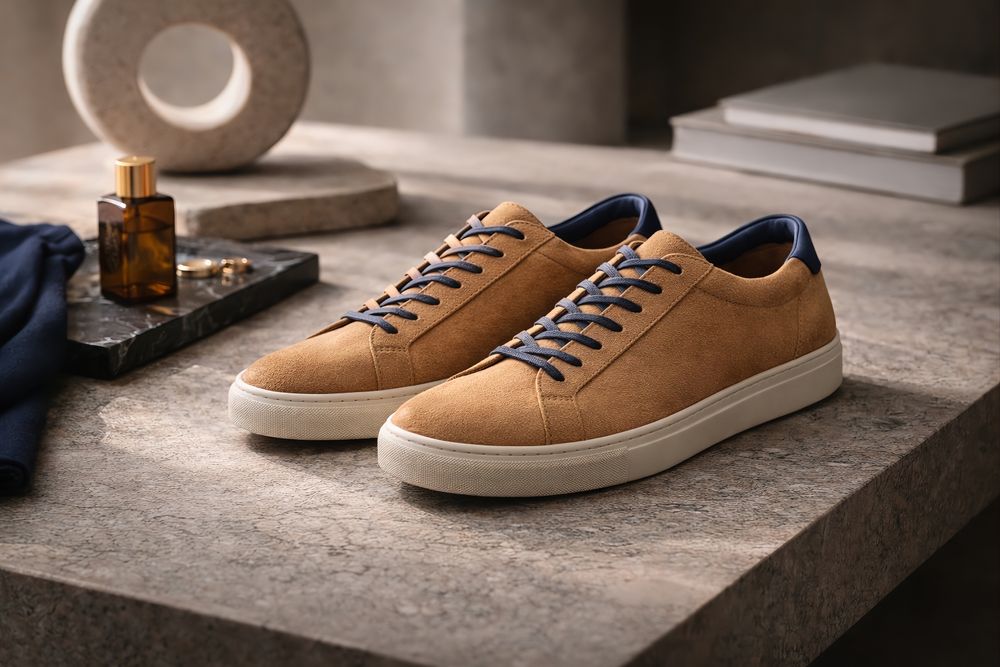
The shift is particularly visible in footwear. Buyers of mens designer sneakers and women’s designer trainers increasingly ask not how much, but why.
That question has reshaped luxury from the inside out.
From Excess to Intent
Luxury used to reward accumulation. Now it rewards intention. Owning more is no longer impressive. Owning well is.
This transition mirrors broader cultural changes: sustainability awareness, digital fatigue, and a rejection of performative consumption. The modern luxury buyer is less interested in signalling wealth and more interested in signalling discernment.
This philosophy is explored in Luxury, Not Loud: The Rise of Quiet Customisation, where restraint replaces excess as the ultimate marker of taste.
In 2026, luxury is defined by what is left out as much as what remains.
Why Time Became the Ultimate Luxury
Time is the one resource that cannot be scaled, outsourced, or automated.
Modern luxury recognises this. Products designed to save time, endure time, and age well have replaced those designed to impress briefly.
This is why longevity has become such a powerful luxury signal. A sneaker that integrates seamlessly into daily life for years carries more value than one that peaks for a season.
The economic logic behind this shift is explored in The Cost-Per-Wear Fallacy: Why Expensive Sneakers Are Often the Smartest Buy, where longevity turns indulgence into rationality.
Time, not novelty, is now the currency.
Ownership Over Acquisition
Buying is easy. Ownership is not.
True luxury now reveals itself after the transaction in wear, comfort, maintenance, and emotional attachment. Products that disappear into daily life, becoming familiar and relied upon, generate a deeper sense of value than those admired briefly.
This behavioural shift is explored in The Psychology of Wearing: How Your Shoes Influence How You Move Through the World, where comfort and confidence directly affect how often something is chosen.
The luxury object of 2026 is not one you save for occasions. It’s one you reach for instinctively.
Restraint as Status
Restraint has replaced spectacle.
In a world saturated with content, branding, and opinion, choosing less is no longer a limitation, it’s a declaration. The absence of noise has become a form of confidence.
This is particularly evident in fashion, where understated mens designer trainers and women’s designer sneakers now occupy spaces once reserved for formal shoes.
The logic is simple: those who understand no longer need to explain.
Luxury, in this context, is about fluency rather than visibility.
Why Relevance Matters More Than Rarity
Rarity alone no longer guarantees relevance.
Products can be scarce and still feel disconnected from modern life. Luxury that sits unused, impractical, or outdated quickly loses its meaning.
Modern luxury must earn its place through relevance to how people live, move, and work today.
This idea underpins The New Dress Code: Why Sneakers Have Replaced Shoes (Almost Everywhere), where cultural adoption, not fashion decree, determines legitimacy.
Luxury survives when it integrates, not when it interrupts.
The Shift from Display to Discernment
The old luxury economy rewarded display. The new one rewards discernment.
Consumers now curate rather than accumulate. They seek fewer objects that perform multiple roles, aesthetically, practically, emotionally.
This is why custom made sneakers resonate so strongly in 2026. Customisation is no longer about novelty. It’s about alignment with taste, lifestyle, and values.
When something fits properly physically and philosophically, it stays.
Craft Without Theatre
Craftsmanship remains central to luxury, but the way it’s presented has changed.
Theatre has given way to transparency. Processes are explained rather than romanticised. Materials are documented rather than mythologised.
This grounded approach is evident in Leather Diaries: From Tannery to Sneaker — The Journey Behind Your Sole, where provenance is treated as information, not marketing.
Modern luxury doesn’t ask to be believed. It invites understanding.
Why White Space Became a Luxury Signal
Luxury used to fill space. Now it protects it.
White space, visual, mental, physical, has become increasingly valuable in a crowded world. Products that feel calm, considered, and uncluttered offer relief rather than stimulation.
This design discipline is examined in White Isn’t Basic: The Most Misunderstood Colour in Luxury Footwear, where simplicity becomes the most demanding aesthetic choice.
In 2026, calm is not neutral. It’s intentional.
The Return of Permanence
Fast fashion trained consumers to expect disposability. Luxury is now defined in opposition to that expectation.
Permanence of materials, design, relevance has re-entered the conversation. Products designed to last feel reassuring in an unstable world.
This is particularly true in footwear, where handmade sneakers UK brands are valued not for trend participation, but for consistency and reliability.
Luxury, once again, promises continuity.
What This Means for Brands
The implications are clear.
Luxury brands can no longer rely on heritage alone. Nor can they hide behind pricing or scarcity. They must articulate why they exist, how they fit into modern life, and what they offer beyond ownership.
Brands that succeed in 2026 will:
- design for longevity
- prioritise relevance over novelty
- value restraint over excess
- integrate rather than dominate
Luxury as a Relationship, Not a Product
Luxury in 2026 is not transactional. It’s relational.
It’s built through repeated use, trust, and familiarity. It grows stronger the longer something is owned, not weaker.
This relationship-based definition explains why consumers increasingly gravitate towards fewer, better items and why those items often become part of identity rather than accessories to it.
Luxury now lives in continuity.
Closing Thought: Luxury, Rewritten
Luxury didn’t disappear. It stopped needing applause.
In 2026, luxury is:
- time-aware
- restraint-led
- relevance-driven
- ownership-focused
It earns loyalty not through spectacle, but through reliability. Not through volume, but through value. Not through noise, but through clarity.
The old definition doesn’t work anymore not because it was wrong, but because the world outgrew it.
The new definition is quieter. And far more demanding.
By Jasper Trumble