



Journal
Why most Sneakers are overdesigned (And Why Yours Shouldn’t Be)
In a world addicted to more, restraint is radical.
2nd March 2026
When More Became Too Much
Walk through any major city and look down.
You’ll see oversized soles. Layered panels. Aggressive proportions. Branding that competes with architecture. Sneakers engineered to demand attention rather than deserve it.
This wasn’t inevitable. It was cultural.
In an era defined by social feeds and scroll speed, footwear became visual currency. Sneakers weren’t designed to age well, they were designed to photograph well.
But here’s the problem: noise doesn’t endure.
The most versatile mens designer sneakers and women’s designer trainers are rarely the loudest. They are the ones that survive rotation, repetition, and time.
And that survival begins with restraint.
The Psychology of Overdesign
Overdesign is rarely accidental. It is strategic.
When brands lack material depth or structural integrity, they compensate visually. Add another overlay. Introduce a contrast stitch. Enlarge the logo. Thicken the sole.
Complexity creates the illusion of value.
Psychologically, consumers equate detail with effort. More panels must mean more craftsmanship. More texture must mean more innovation.
But often, complexity masks fragility.
This is why the philosophy explored in The Invisible Decisions: Design Choices You Never Notice (But Always Feel) matters. True quality hides its effort internally. It doesn’t announce it externally.
Restraint requires confidence. Excess often signals insecurity.
Noise as a Shortcut to Attention
Social platforms reward instant recognition. Subtlety doesn’t trend.
So footwear followed suit. Designs became louder, chunkier, more exaggerated. Proportions expanded beyond anatomical logic.
But when everything shouts, nothing speaks clearly.
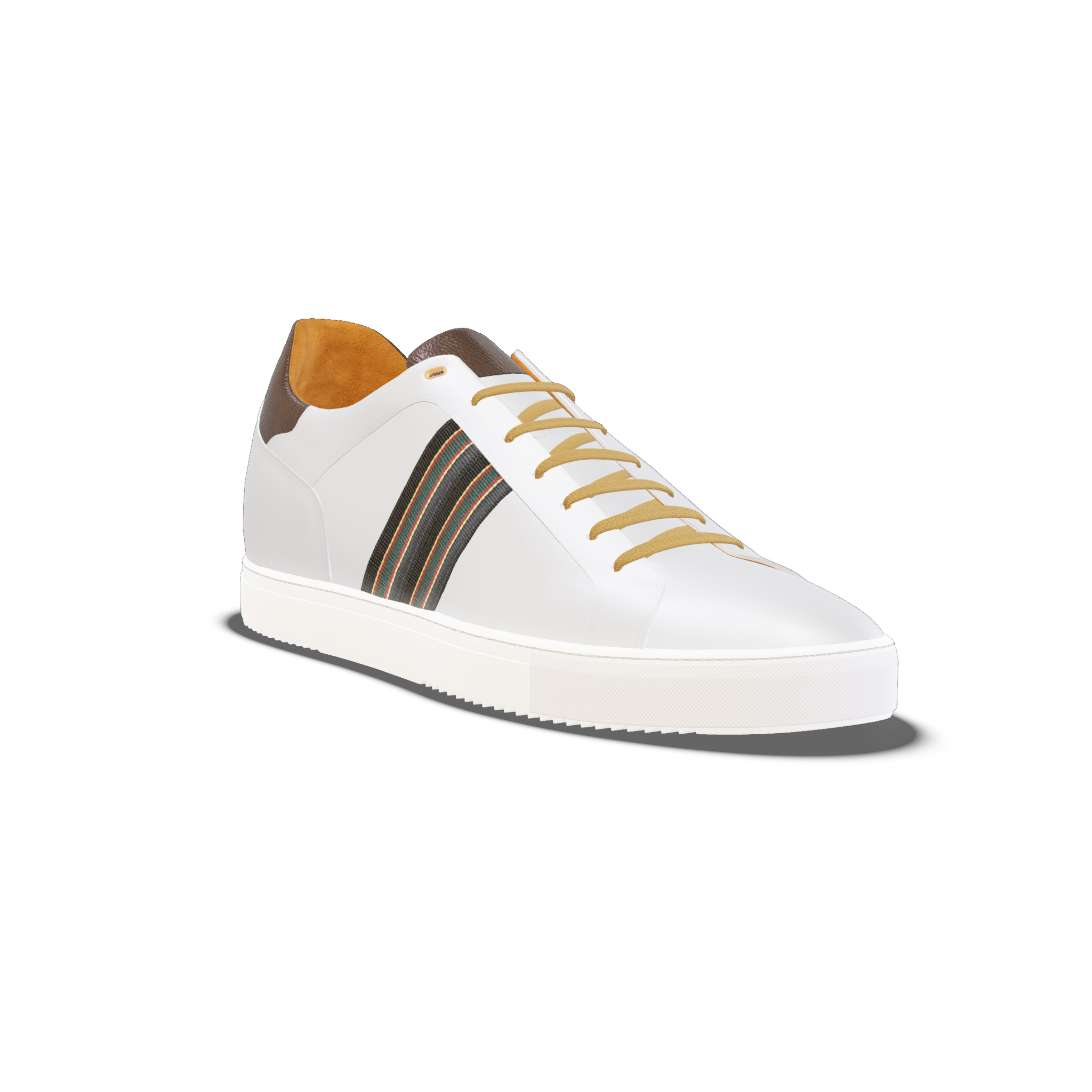
In contrast, understated handmade sneakers UK tend to feel more grounded. They aren’t chasing a moment, they are designed to exist beyond one.
Overdesigned sneakers often age quickly because they were built for immediate impact. Restrained sneakers age slowly because they were built for integration.
And integration is where longevity lives.
Complexity Doesn’t Equal Craftsmanship
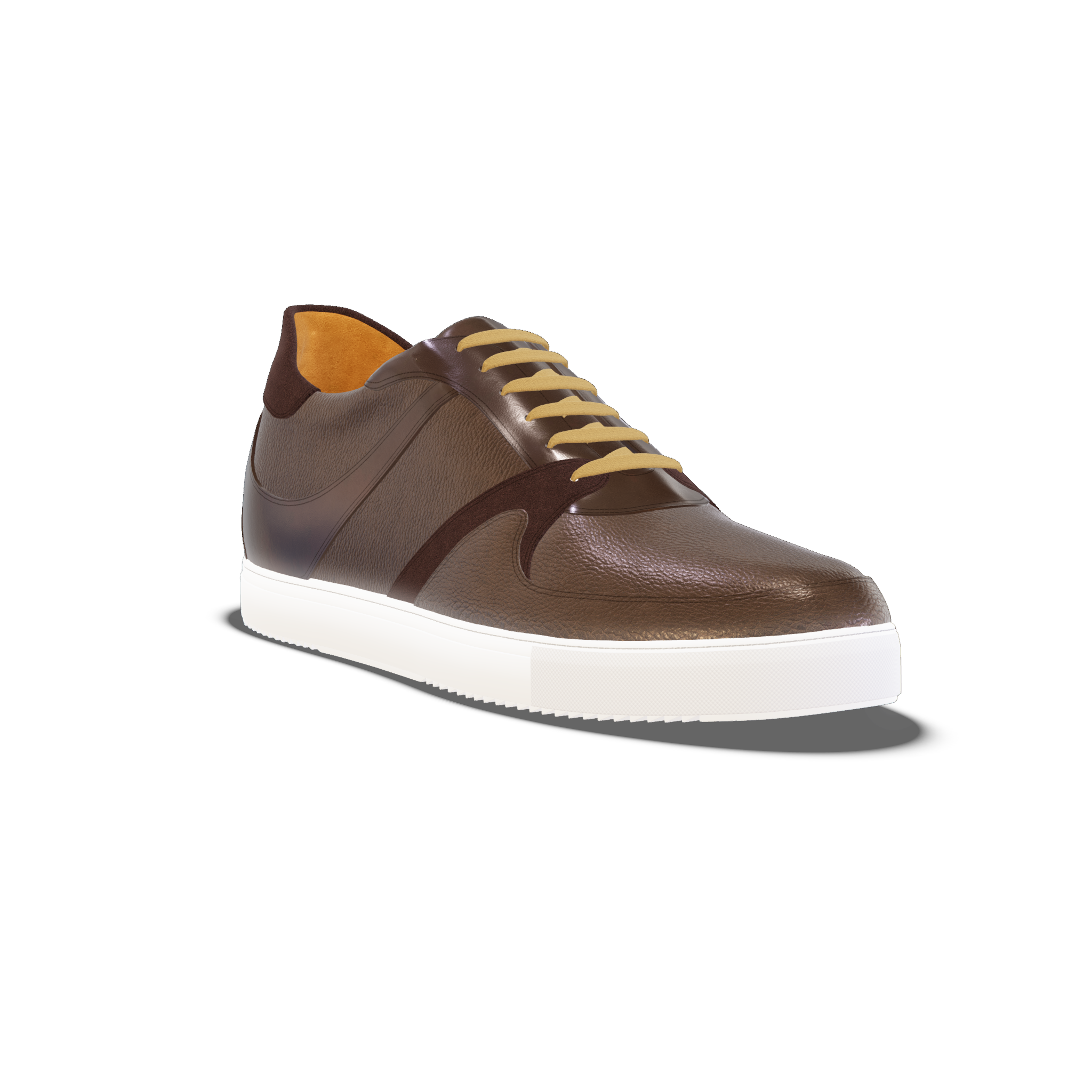
Layering ten panels doesn’t make a sneaker sophisticated.
True craftsmanship is not the number of visible components, but the precision of each one.
Consider tailoring. The finest jackets often look deceptively simple. Yet beneath that simplicity lies structural mastery.
Footwear works the same way.
In custom made sneakers, every additional detail must justify itself. Does it improve balance? Comfort? Durability? Versatility?
If not, it is decoration masquerading as design.
And decoration rarely endures.
Trend-Led Design and the Speed of Irrelevance
Trend led sneakers operate on acceleration.
They spike in desirability. They saturate feeds. They fade.
Exaggerated soles that once felt futuristic begin to feel heavy. Overcomplicated uppers that once felt technical begin to feel chaotic.
This lifecycle mirrors fast fashion logic, even in higher price brackets.
The economic implications are explored in The Cost-Per-Wear Fallacy: Why Expensive Sneakers Are Often the Smartest Buy. When a sneaker becomes visually outdated within a year, its cost-per-wear collapses.
Timeless design, by contrast, compounds.
The Illusion of Innovation
Innovation today is often aesthetic rather than structural.
Angular lines. Inflated midsoles. Experimental overlays. These signal progress visually, even when the internal engineering remains unchanged.
True innovation is subtler.
It lies in weight distribution. In heel pitch calibration. In material longevity.
It’s the kind of innovation that makes a sneaker feel better over time, not louder in photographs.
This is why thoughtful construction remains central to high-quality mens designer trainers and women’s designer sneakers.
Design that improves experience is innovation. Design that merely changes silhouette is iteration.
The Cost of Visual Clutter
Overdesign doesn’t just affect aesthetics. It affects wearability.
The more aggressive the design, the fewer contexts it fits.
A sneaker overloaded with contrast panels and oversized branding may work in a narrow styling window, but struggle in formal-adjacent environments.
In The New Dress Code: Why Sneakers Have Replaced Shoes (Almost Everywhere), the cultural infiltration of sneakers into offices, galleries, and dinners is explored. That shift was enabled by restraint.
Overdesigned sneakers limit mobility. Restrained sneakers expand it.
Versatility is luxury.
Minimalism Isn’t Simplicity — It’s Discipline
There is a misconception that minimal sneakers are easy to design.
They are not.
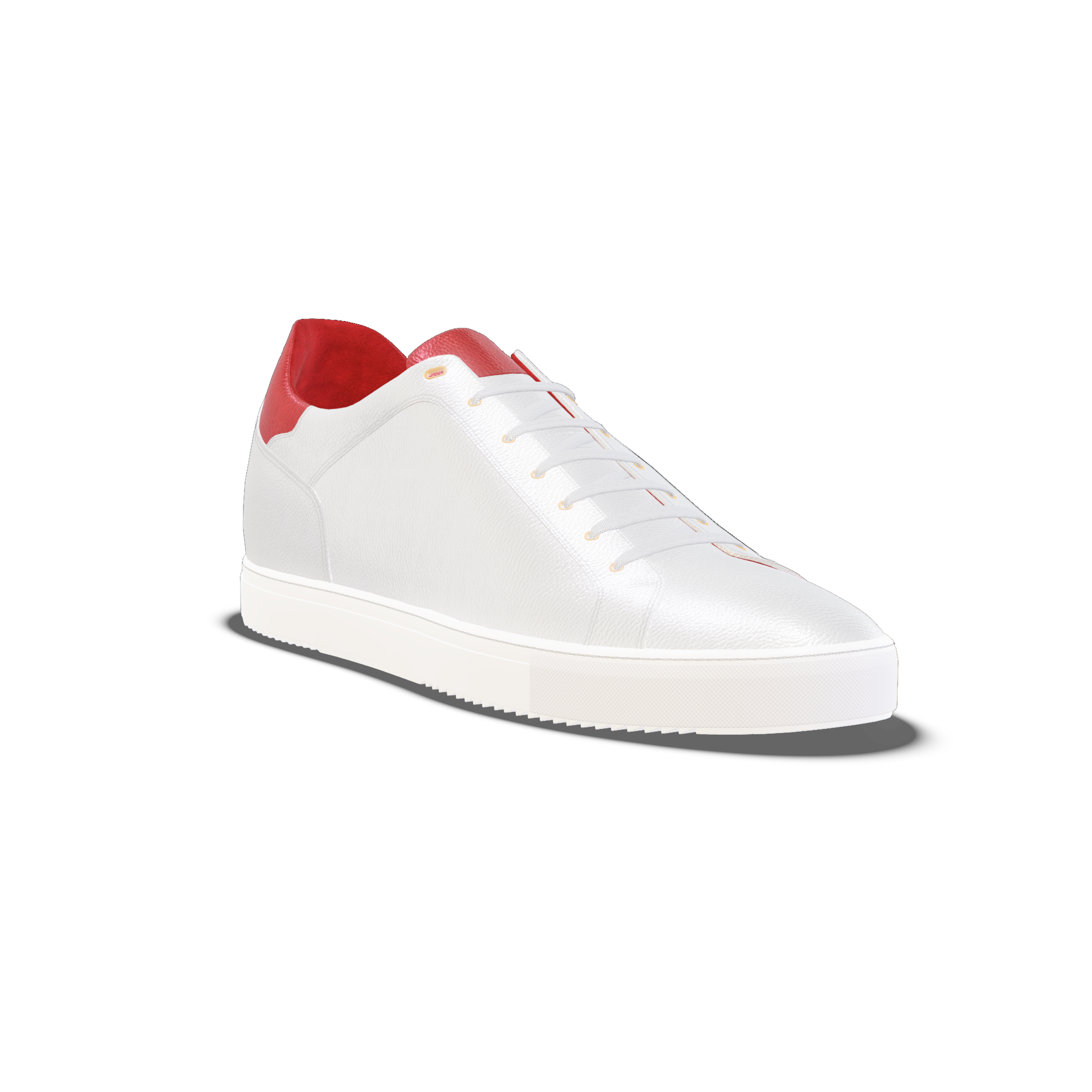
When you remove distraction, every proportion matters. Every stitch line must be deliberate. Every curve must align.
A clean silhouette exposes flaws immediately.
This discipline echoes the thinking behind The Making of a Modern Classic: How Jasperosso Designs with Timelessness in Mind, where longevity is engineered through reduction, not embellishment.
Minimalism is not the absence of design. It is the refinement of it.
Overdesign and Identity
Overdesigned sneakers often project aspiration. They signal alignment with hype cycles or subcultures.
Restrained sneakers project assurance.
In The Psychology of Wearing: How Your Shoes Influence How You Move Through the World, the relationship between footwear and confidence becomes clear. When shoes integrate seamlessly into identity, they feel authentic.
When they overpower identity, they feel performative.
Understated design supports self-expression. Overdesigned footwear can sometimes replace it.
Luxury in 2026 favours discernment over display.
The Hidden Strength of Reduction
Reduction improves more than aesthetics.
It improves manufacturing efficiency. It reduces potential failure points. It strengthens structural integrity.
Fewer panels mean fewer seams. Fewer seams mean fewer stress vulnerabilities.
In leather construction, as detailed in Leather Diaries: From Tannery to Sneaker — The Journey Behind Your Sole, material quality matters more than surface layering.
When leather is exceptional, it doesn’t need distraction.
Why Restrained Sneakers Age Better
Time is the ultimate design critic.
Bold patterns can become dated. Exaggerated shapes can feel heavy. Loud branding can feel excessive.
Clean proportions, balanced lines, and quality materials age quietly.
This is particularly important in the context of handmade sneakers UK, where consumers increasingly prioritise longevity over novelty.
Understated sneakers adapt to shifting wardrobes, evolving taste, and changing environments.
They don’t need reinvention every season.
Restraint as a Cultural Signal
Restraint now signals sophistication.
In fashion, interiors, and design, we see a broader recalibration toward quiet luxury, fewer logos, more quality.
This aligns with the macro shift explored in What We Mean by “Luxury” in 2026 (And Why the Old Definition No Longer Works), where time, relevance, and ownership redefine status.
The most modern form of luxury is not amplification. It is control.
And restraint is control made visible.
What Happens When You Strip It Back
When you remove unnecessary elements, something interesting happens.
The focus shifts.
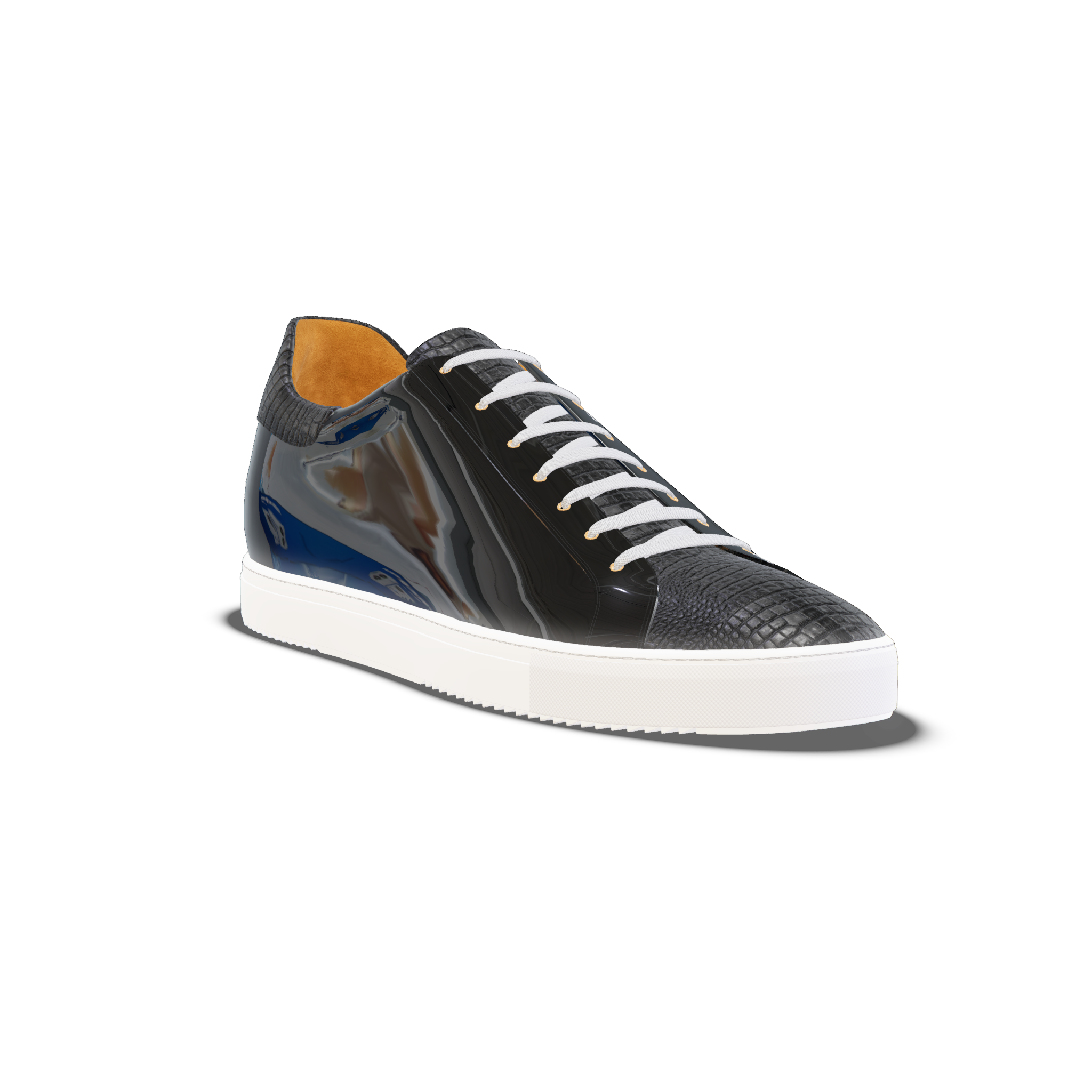
To leather texture.
To stitching precision.
To silhouette balance.
To craftsmanship.
Suddenly, you notice the quality rather than the decoration.
This shift transforms sneakers from attention-seeking objects into adaptable tools, capable of moving from airport to office to evening without friction.
And that adaptability is where value lives.
The New Standard
Overdesigned sneakers will continue to exist. There will always be demand for spectacle.
But the centre of gravity is shifting.
Consumers are more informed. More selective. More conscious of longevity and cost-per-wear.
They recognise that real craftsmanship doesn’t need to shout.
The future of mens designer sneakers and women’s designer trainers belongs to those who understand subtraction.
Because when design is reduced to what matters, what remains is stronger.
Closing Thought
Overdesign chases attention. Restraint commands respect. In a market crowded with exaggeration, the most radical move may be to simplify. To design with discipline. To remove what doesn’t serve. To build sneakers that feel inevitable rather than excessive. The best sneakers are not the ones that dominate the room. They are the ones that belong in it.

By Jasper Trumble