


Journal
From Screen to Street: How Digital Design Has Changed What We Expect to Wear
We no longer just shop. We participate.
23rd February 2026
Introduction: When Shopping Became Interactive
There was a time when fashion moved in one direction. Brands designed. Consumers chose. The transaction ended there. Today, that model feels incomplete.
Modern buyers, particularly in categories like mens designer sneakers and women’s designer trainers, no longer want to passively select from a finished product. They want involvement. Visibility. Influence.
Digital design tools, 3D configurators, and online-first platforms have not simply changed how we buy. They have changed what we expect from what we wear.
The shift is cultural before it is technical.
When We Stopped Browsing and Started Building
Scrolling through product pages once felt like freedom. Endless choice, endless possibility.
But abundance without agency quickly becomes overwhelming. What digital tools introduced was something more powerful than choice: control.
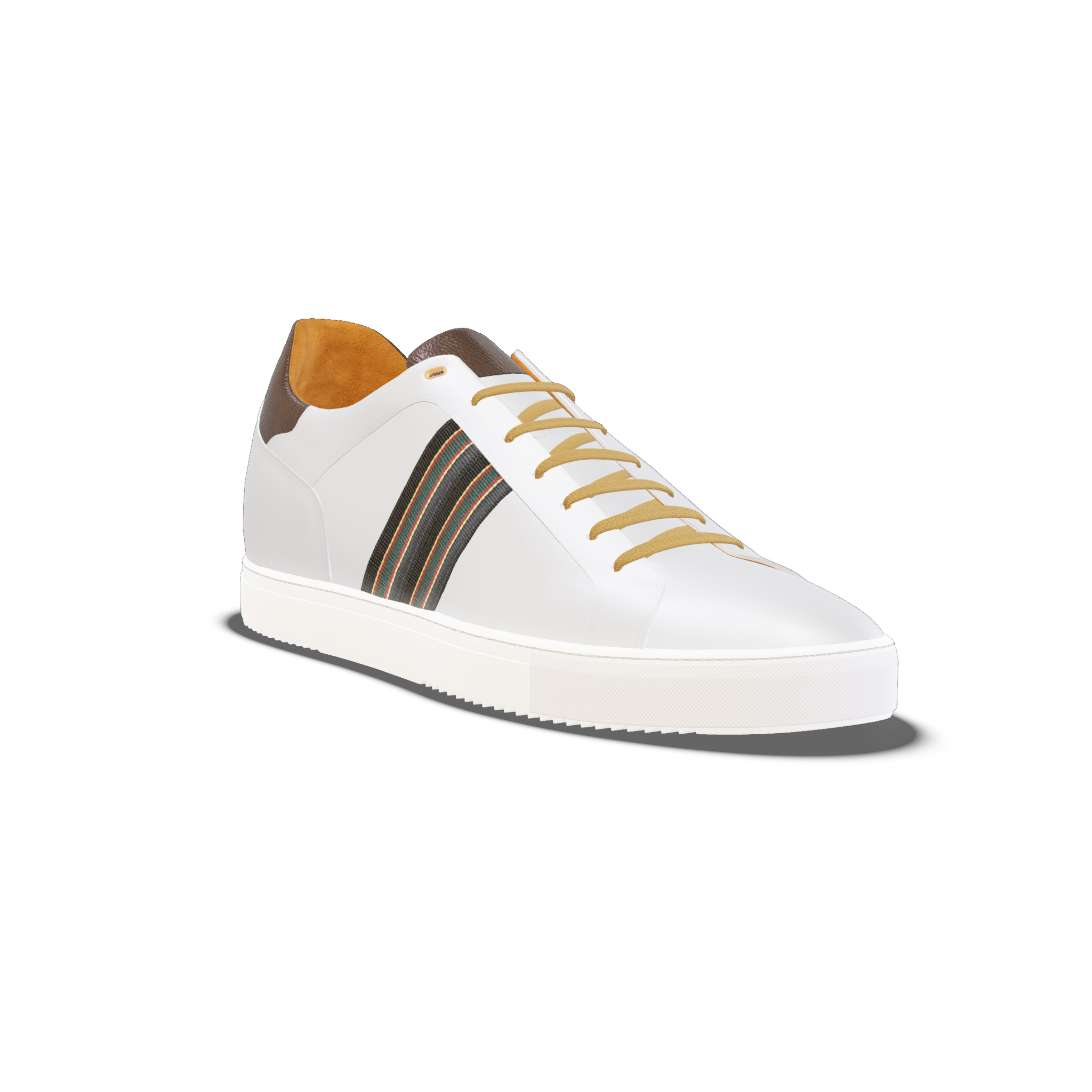
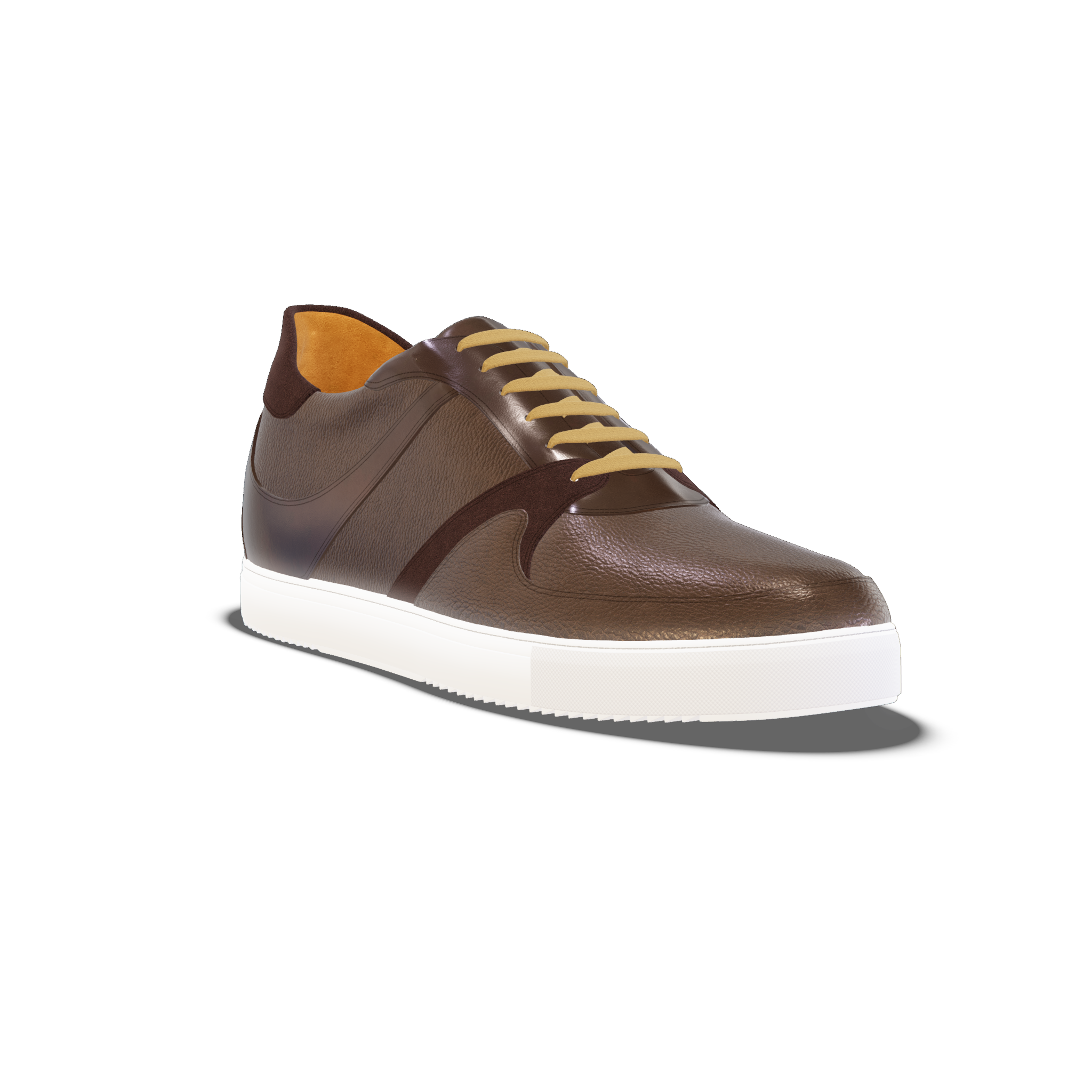
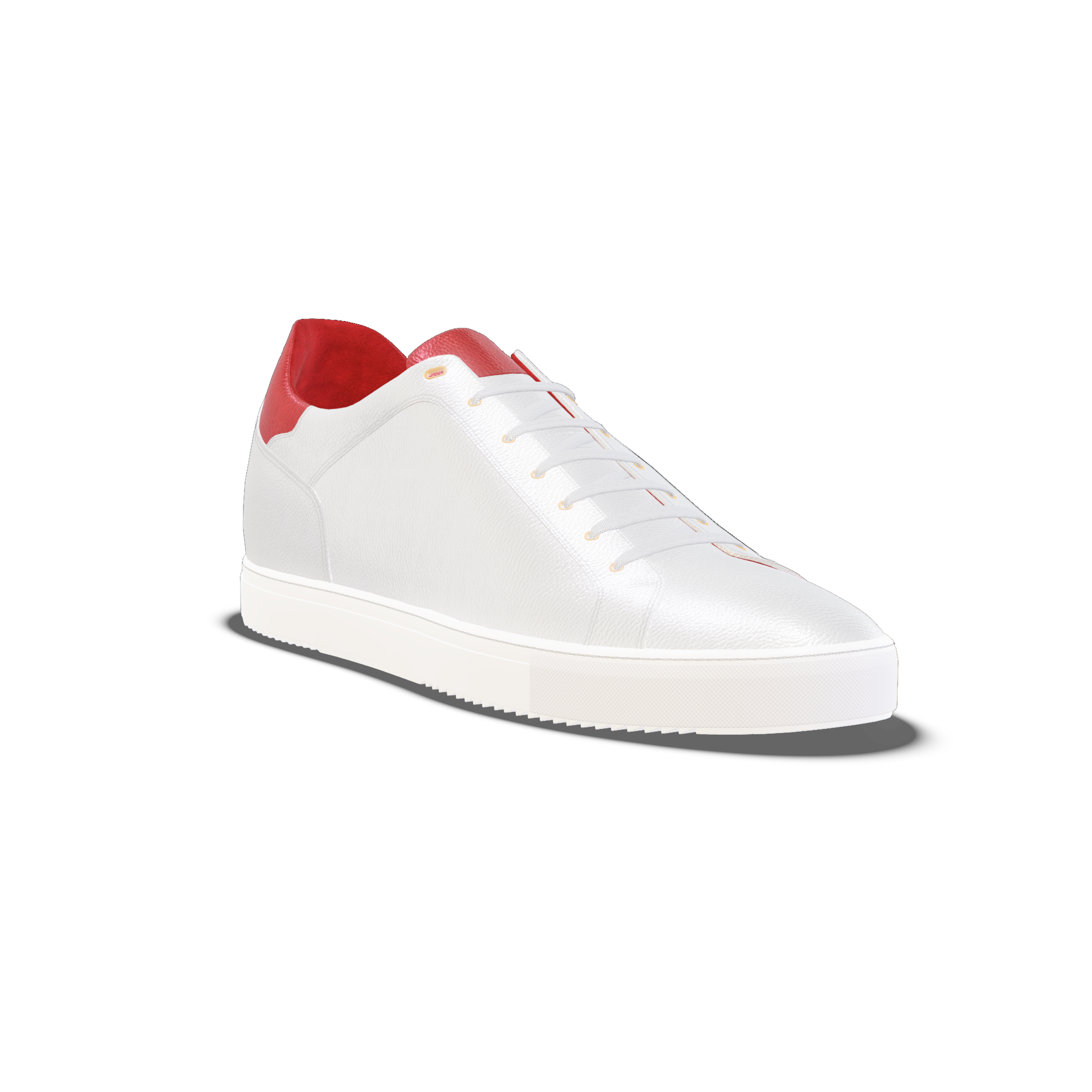
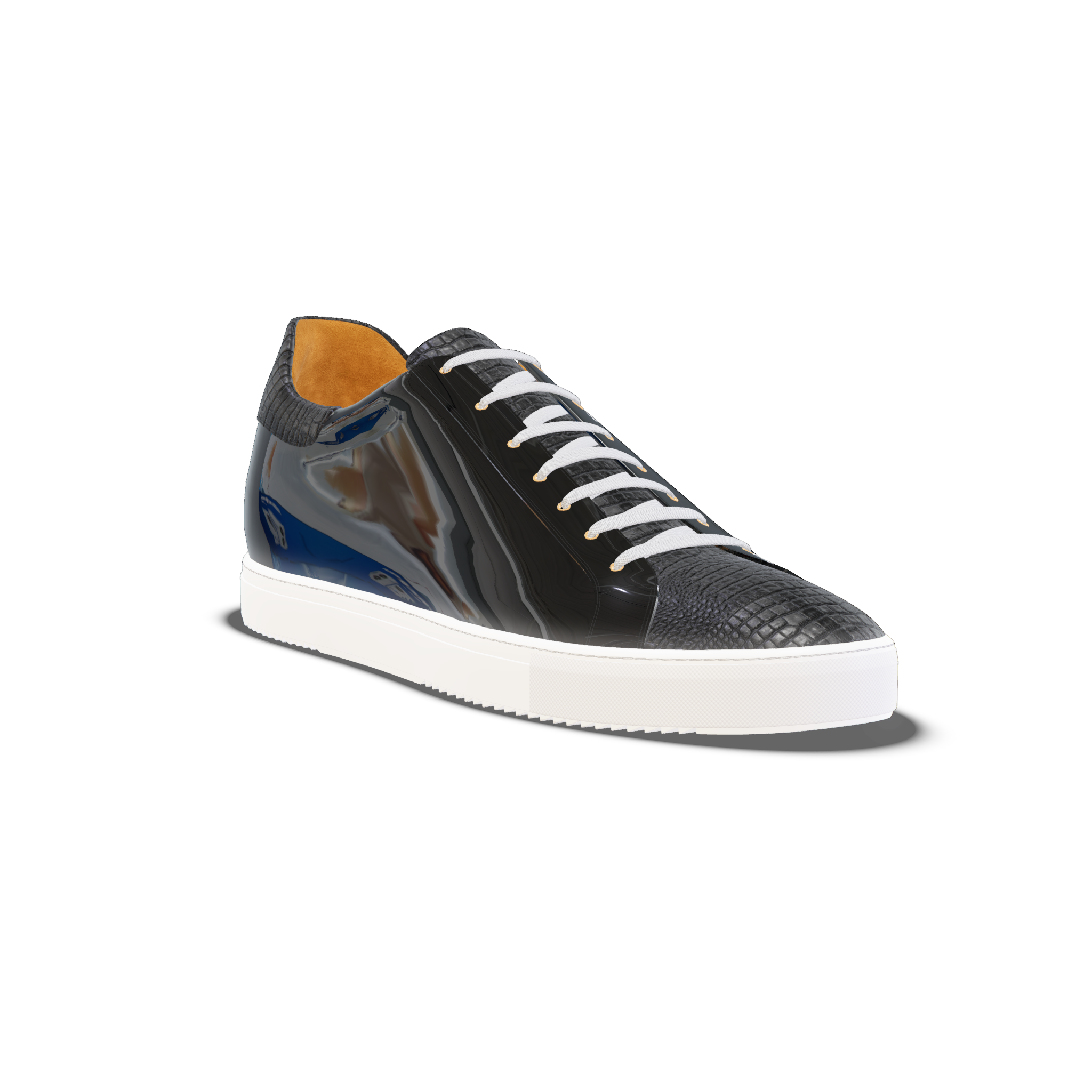
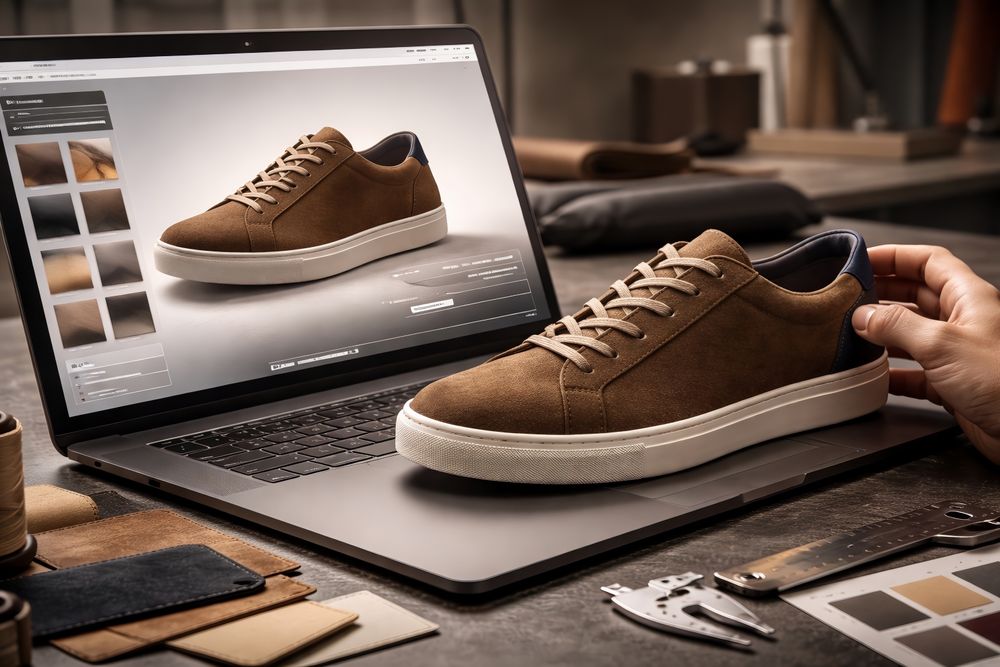
The ability to adjust colours, materials, finishes, to see combinations rendered instantly, moved consumers from observers to co-creators.
This evolution is explored in Behind the Digital Canvas: How Our 3D Customiser Reinvents Bespoke, where the design process becomes participatory rather than transactional.
When you build something yourself, even digitally, ownership begins earlier.
The Rise of the Designed-By-Me Consumer
Modern luxury is no longer defined solely by brand authority. It is defined by alignment.
Consumers increasingly ask:
- Does this reflect me?
- Does this fit how I live?
- Does this feel intentional?
In footwear, this has driven demand for custom made sneakers, where subtle personal decisions replace mass-produced sameness.
Digital design tools didn’t invent individuality but they made it scalable.
And once consumers experience that level of involvement, it becomes difficult to return to passive buying.
Visualisation Changed Trust
Before digital rendering, buying luxury footwear online required imagination.
Now, high-fidelity 3D visualisation removes uncertainty. Consumers can rotate, zoom, and inspect materials before committing.
This has raised expectations dramatically.
Buyers of handmade sneakers UK no longer accept vague promises of craftsmanship. They expect to see structure, detail, proportion, even digitally.
Transparency has become part of luxury. And when transparency is present, trust follows.
Control Became the New Luxury
Traditional luxury signalled status through exclusivity. Modern luxury signals status through agency.
Being able to shape your product, even within defined parameters, feels powerful. It reflects autonomy, not obedience to trend cycles.
This philosophical shift connects directly to the ideas explored in What We Mean by “Luxury” in 2026 (And Why the Old Definition No Longer Works), where restraint and ownership replace spectacle as markers of value.
Control is no longer technical. It is emotional.
Immediacy Rewired Patience
Digital culture conditioned us to expect speed. Instant previews. Immediate feedback. Rapid iteration.
At first glance, this seems incompatible with craftsmanship, which by nature requires time.
Yet the two can coexist. Digital tools provide immediacy in visualisation, while production remains deliberate.
This balance between speed and patience mirrors the thinking behind The Cost-Per-Wear Fallacy: Why Expensive Sneakers Are Often the Smartest Buy. The design phase accelerates; the lifespan extends.
Fast interface. Slow product. Long value.
From Product to Process
Digital configurators subtly shift focus from the finished object to the process of creation.
The act of selecting leather types, adjusting panel colours, or choosing sole finishes deepens understanding. Consumers begin to appreciate structure, proportion, and material behaviour.
This awareness complements the engineering insights explored in The Invisible Decisions: Design Choices You Never Notice (But Always Feel), where internal construction becomes part of the narrative.
When people understand process, they value outcome more.
The Democratisation of Bespoke
Historically, bespoke meant exclusivity, access to a craftsman, time-intensive fittings, significant cost.
Digital platforms have reinterpreted bespoke for a broader audience.
While not fully custom in the traditional sense, configurators allow meaningful personalisation at scale. The result is a hybrid category, structured choice within controlled parameters.
For women’s designer sneakers and mens designer trainers, this balance delivers individuality without chaos.
Technology made bespoke more accessible but it also made consumers more discerning.
Why Online-First Brands Think Differently
Brands born online approach design differently.
They understand that the first encounter happens on screen, not in store. Proportion must read well digitally. Textures must translate visually. Interfaces must feel intuitive.
This shapes product decisions.
Sneakers designed for digital-first experiences often prioritise clean silhouettes and material clarity, qualities that also perform well in real life.
This aesthetic restraint aligns with ideas explored in White Isn’t Basic: The Most Misunderstood Colour in Luxury Footwear, where simplicity becomes a structural choice, not an aesthetic shortcut.
Digital clarity often leads to physical refinement.
The Expectation of Participation
Perhaps the most significant shift is psychological. Consumers now expect participation.
They want to see how something is made. Adjust how it looks. Understand why it costs what it costs. They want context, not just imagery.
This appetite for insight supports deeper storytelling, from material sourcing in Leather Diaries: From Tannery to Sneaker — The Journey Behind Your Sole to design philosophy in other journal entries.
Digital design tools did not just empower consumers. They educated them.
And educated consumers demand more.
From Click to Craft
There is a risk in digital-first design: detachment.
When products are experienced primarily through screens, they can feel abstract. The challenge for modern luxury brands is to ensure that digital engagement enhances, rather than replaces, physical craft.
The transition from on-screen rendering to physical object must feel seamless.
When it does, the sneaker feels like a natural extension of the design journey, not a separate experience.
The best custom made sneakers today succeed because the digital promise matches the tactile reality.
Digital Fluency as Cultural Literacy
In 2026, comfort with digital tools signals modernity.
Consumers comfortable configuring products online tend to value precision and clarity in design. They expect clean navigation, transparent pricing, and thoughtful construction.
This fluency extends beyond screens. It influences how people dress, favouring adaptability, versatility, and intelligent restraint.
The shift mirrors broader cultural transitions described in The New Dress Code: Why Sneakers Have Replaced Shoes (Almost Everywhere), where context-awareness replaced rigid rules.
Technology didn’t disrupt culture. It reflected it.
The Paradox of Choice, Refined
Unlimited options can overwhelm. Effective digital design solves this by offering structured flexibility.
Too many variables create chaos. Too few create boredom.
The best configurators strike a balance, guiding the user through curated options that maintain coherence while allowing individuality.
This approach reinforces brand identity rather than diluting it.
Luxury in the digital age is not about endless choice. It’s about intelligent curation.
What Changed Forever
We now expect:
- Transparency before purchase
- Control during selection
- Clarity in construction
- Alignment with identity
These expectations apply not only to footwear but across luxury categories. Digital design tools didn’t lower standards. They raised them.
Once consumers experience agency, they rarely surrender it.
Closing Thought
Fashion used to move from atelier to storefront to wardrobe. Now it moves from screen to hand to street.
Digital design hasn’t replaced craftsmanship. It has reframed it, making the journey visible, participatory, and personal.
The future of luxury footwear lies not in choosing between technology and tradition, but in integrating them.
Because when you help design what you wear, you don’t just own it.

By Katy Trumble