

Journal
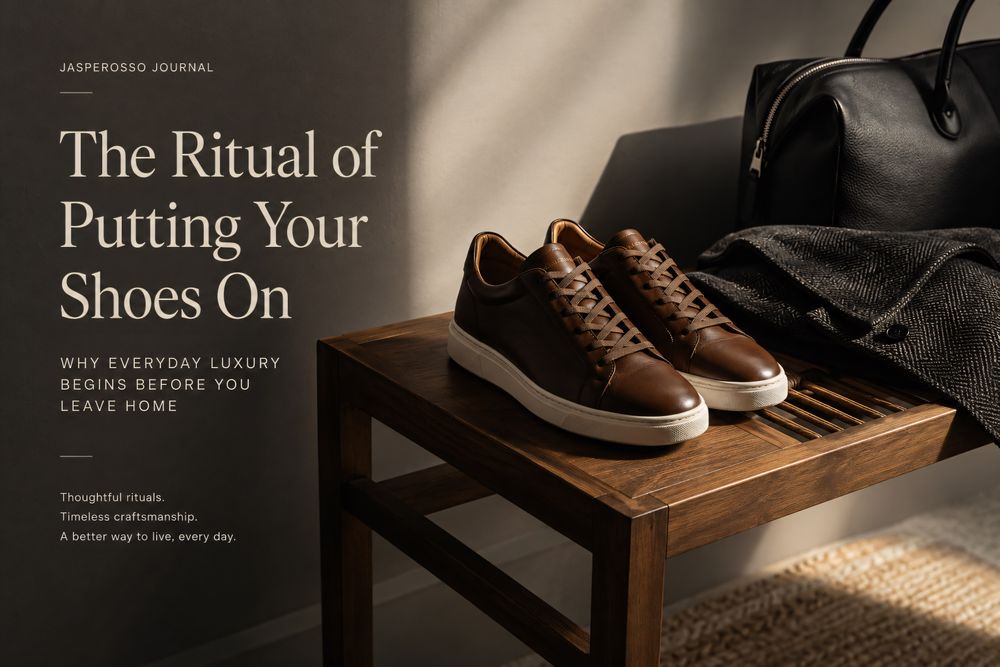
The Ritual of Putting Your Shoes On
30th June 2026
There is a moment every morning that most of us experience without ever really noticing it. It happens quietly, somewhere between finishing the first coffee and reaching for the keys. It lasts no more than a minute or two, yet it marks one of the most significant transitions of the day. It is the moment when we stop preparing to leave the house and begin preparing ourselves.
For many people, that moment begins with their shoes.
It is easy to dismiss putting on shoes as a simple necessity. We have repeated the action thousands of times, so it has become almost invisible through familiarity. Sit down, pull on the shoes, tighten the laces, stand up and leave. There is nothing dramatic about it, nothing particularly memorable, and certainly nothing that appears worthy of much reflection.
Yet the rituals that shape our lives have always looked remarkably ordinary.
Very few people remember every cup of coffee they have ever made, yet the ritual of making coffee often becomes one of the most comforting parts of the day. The same can be said of winding a mechanical watch, opening a notebook before beginning work, or taking a favourite route on a morning walk. These actions are repeated so frequently that they disappear into the background, but that does not make them insignificant. If anything, repetition is precisely what gives them meaning.
Luxury has often been misunderstood as something exceptional, something reserved for celebrations, special occasions, or moments of indulgence. Advertising has reinforced this idea for decades, presenting luxury through private yachts, five-star hotels and impossibly glamorous lifestyles. There is nothing inherently wrong with those images, but they overlook where luxury is experienced most often.
Real luxury is rarely theatrical.
Instead, it quietly improves the moments that occur every single day.
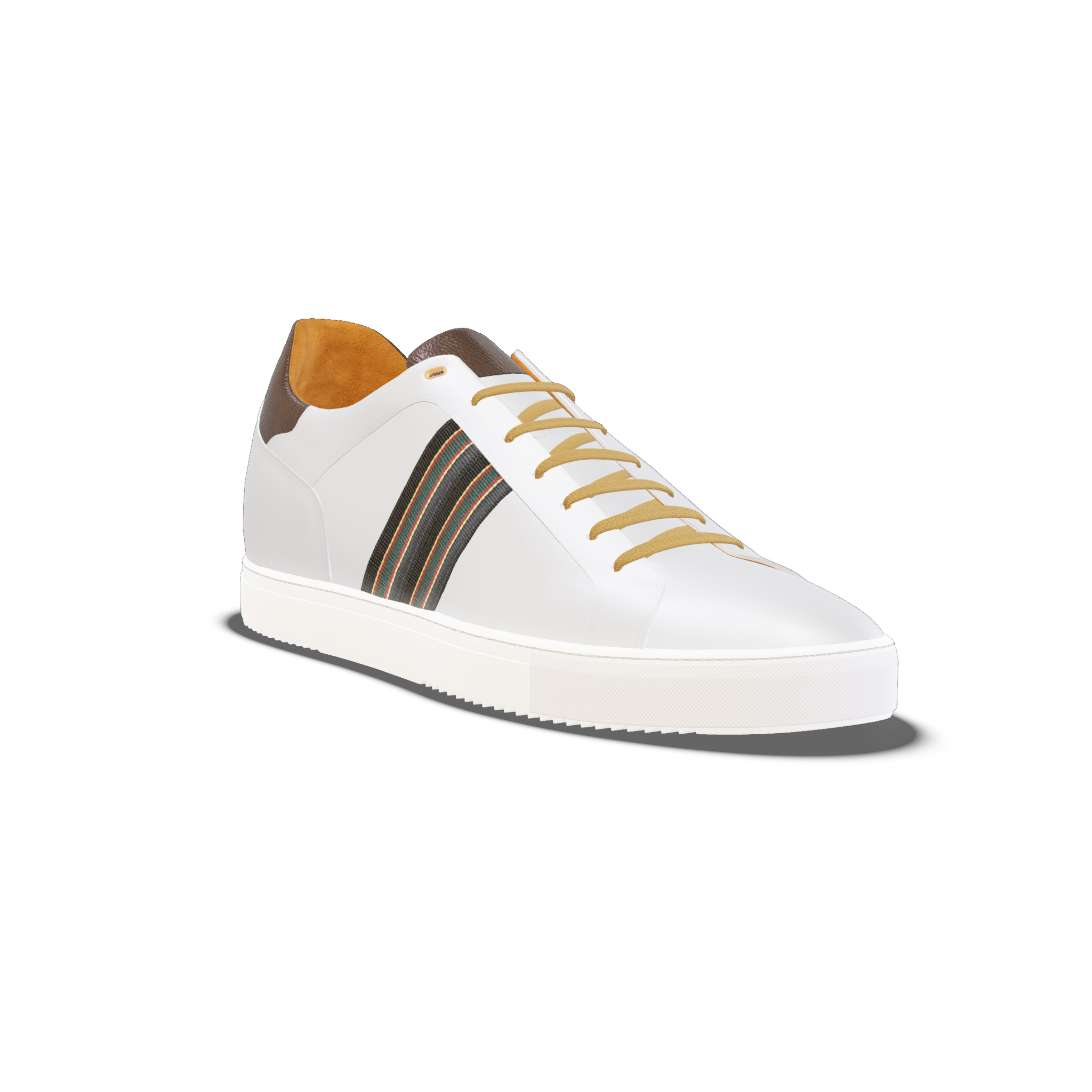
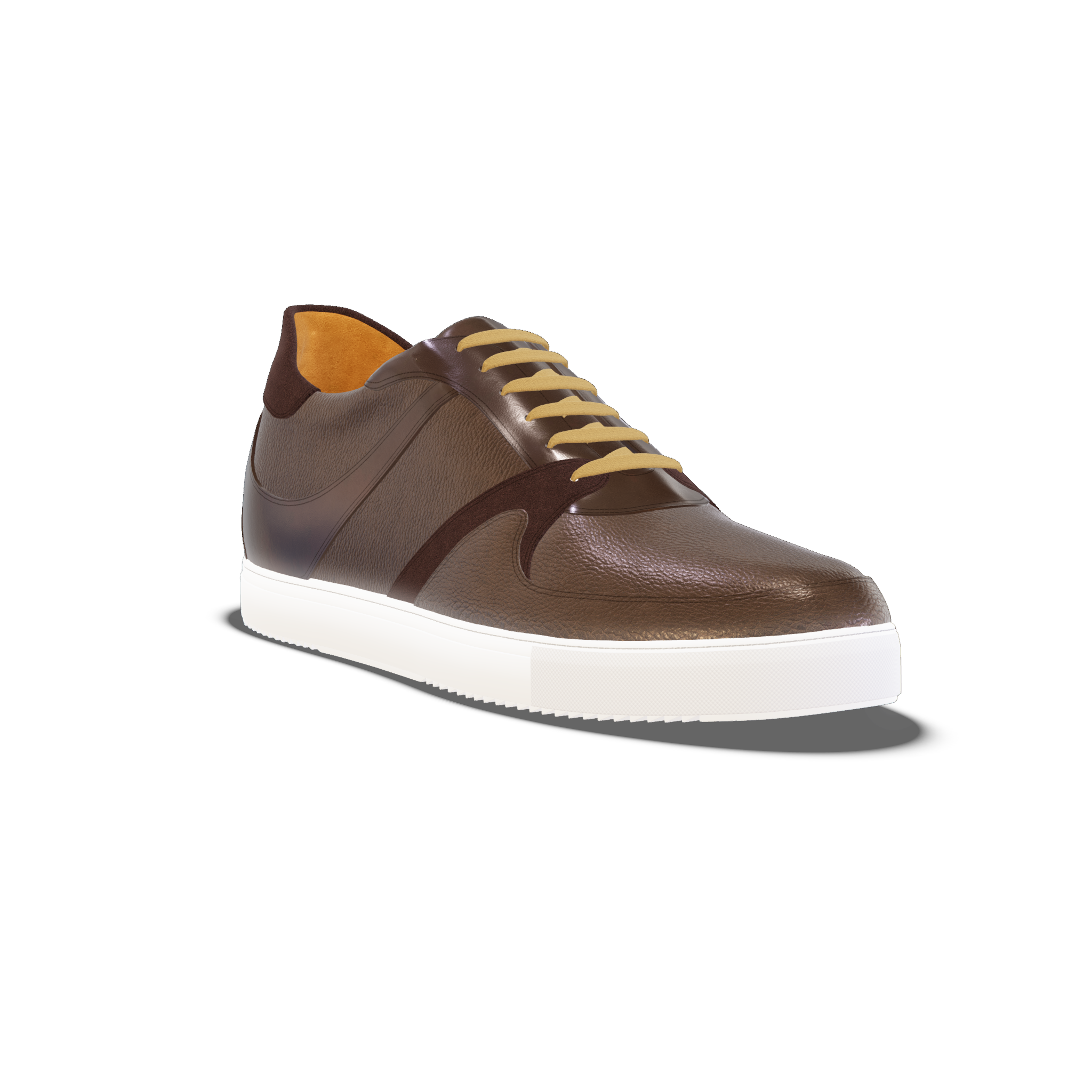
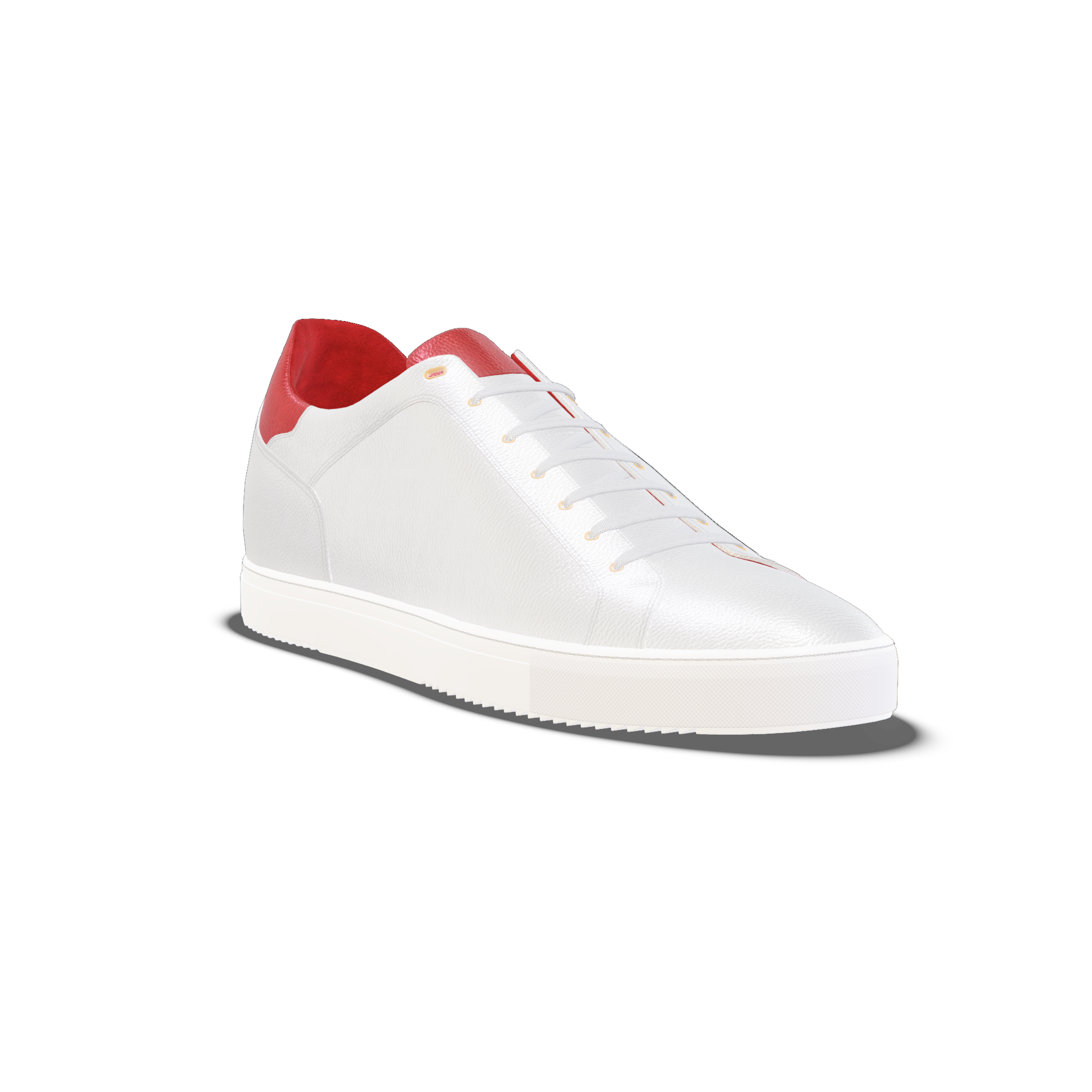
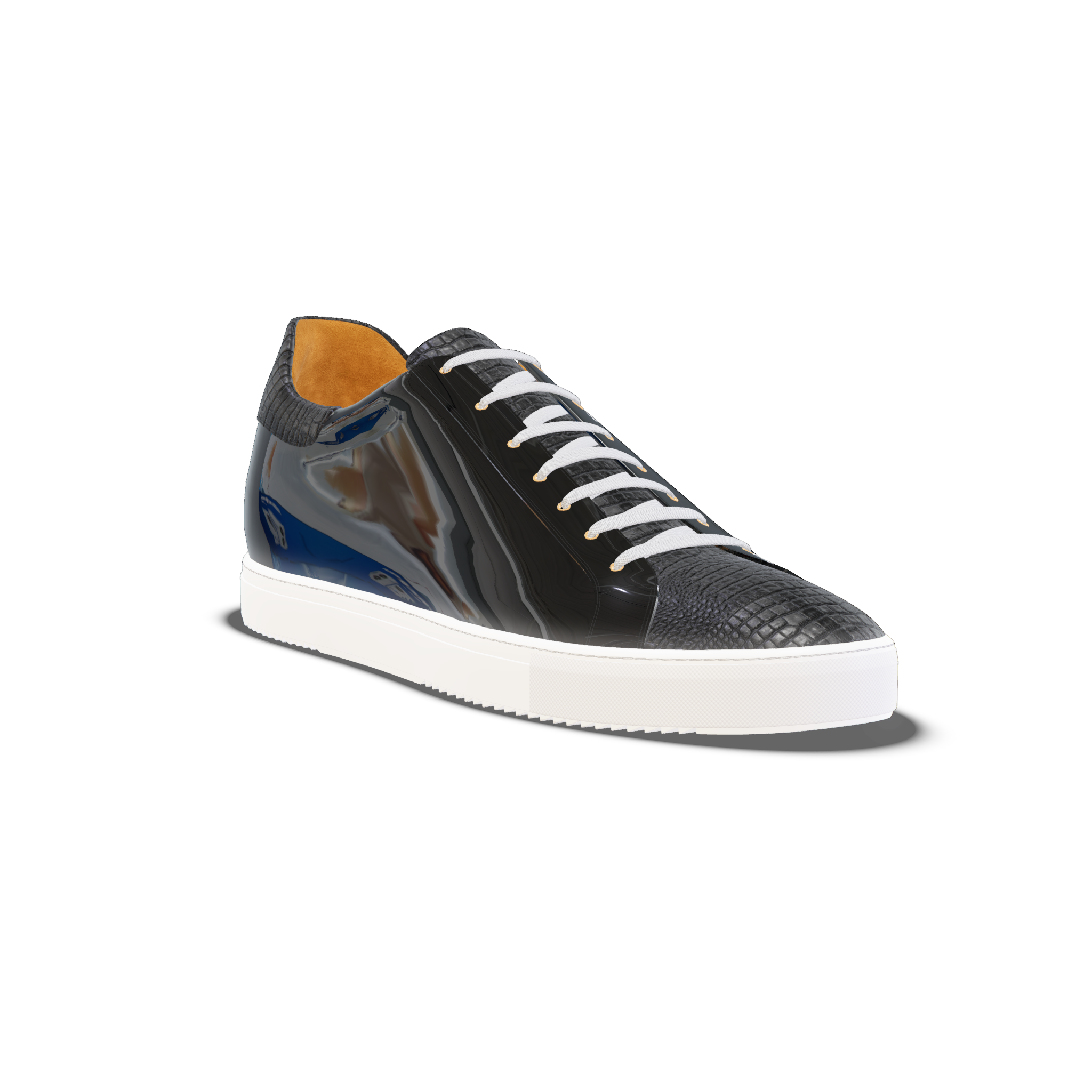
A beautifully crafted leather wallet is handled dozens of times each week. A mechanical watch accompanies ordinary meetings just as comfortably as important celebrations. A handmade pair of Italian leather sneakers is not designed to spend its life waiting in a wardrobe for the perfect occasion. It is designed to accompany the owner through ordinary Tuesdays, weekend walks, spontaneous journeys and everyday routines.
Perhaps this is where luxury earns its place most convincingly, not through rarity, but through repetition.
The objects that become most valuable are often those that integrate so naturally into our daily lives that we stop thinking about them as possessions at all. They become companions. Their presence becomes reassuring rather than exciting. The novelty fades, but satisfaction remains.
That is a remarkable achievement.
Many products depend entirely upon novelty for their appeal. Once the initial excitement disappears, so does much of their attraction. Luxury behaves differently. The finest products reveal themselves slowly, rewarding repeated use instead of relying on first impressions. They become more familiar, more personal and, perhaps surprisingly, more enjoyable with every passing year.
This is why the simple act of putting on your shoes deserves more attention than it usually receives. It is not merely a practical task. It is a daily ritual that quietly prepares us for everything that follows.
For a broader perspective on thoughtful ownership and longevity, explore Designed Once, Worn Forever.
The First Decision of the Day
Every morning begins with decisions. Some are insignificant, while others quietly shape the rest of the day without us ever realising it. We decide whether to walk or drive, whether to answer emails immediately or leave them until later, whether to wear a jacket or trust the weather forecast. Hidden among these choices is another decision that appears relatively minor but often has a surprisingly lasting influence.
Which shoes should you wear today?
At first glance, the answer seems entirely practical. Weather conditions, destination and dress code all play obvious roles. Yet psychologists have long recognised that clothing influences behaviour in subtle but measurable ways. What we wear affects not only how others perceive us but also how we perceive ourselves. Confidence, posture, attention to detail and even decision-making can all be influenced by something as apparently simple as getting dressed.
Footwear occupies a unique position within this relationship because it accompanies us almost continuously throughout the day. Unlike a coat that may be removed or a bag that can be put down, shoes remain with us from the moment we leave home until we return. They shape every journey, every meeting and every mile we walk.
Choosing a favourite pair of handcrafted sneakers therefore becomes more than selecting footwear. It becomes the first meaningful decision about how we intend to move through the day.
There is something quietly reassuring about reaching for the same trusted pair. Familiarity reduces unnecessary decisions, allowing attention to be directed elsewhere. The leather has already adapted to your foot, the fit is predictable, and the comfort no longer needs to be questioned. Instead of wondering whether the shoes will perform well, you simply begin the day knowing that they will.
This certainty is one of the overlooked pleasures of thoughtful ownership. Modern consumer culture often celebrates endless choice, yet endless choice frequently creates unnecessary complexity. Luxury, by contrast, often succeeds by removing decisions rather than multiplying them.
The products that become indispensable are rarely the ones demanding constant attention. They are the ones that quietly perform their role so consistently that confidence becomes automatic.
This philosophy is explored further in The Anti-Collection – Why One Pair Is Enough.
Luxury Lives in Small Rituals
When people imagine luxury, they often imagine scale. Grand architecture, exceptional hotels, rare wines and beautifully tailored wardrobes all come readily to mind. Yet these are experiences that occur only occasionally. They are memorable precisely because they are unusual.
The luxury that shapes everyday life is considerably quieter.
It exists in repeated moments that most people barely notice. Sliding into a well-made leather chair before beginning work. Hearing the reassuring click of a beautifully engineered car door. Writing with a fountain pen that glides effortlessly across thick paper. These experiences are not extraordinary because they happen rarely. They are extraordinary because they transform ordinary actions into something unexpectedly satisfying.
Putting on a pair of handcrafted sneakers belongs within exactly the same category.
Consider the sequence for a moment. You sit down, loosen the laces, guide your foot into the shoe and tighten each side until the fit feels exactly right. The leather offers gentle resistance before settling comfortably around the foot. The familiar texture of the lining feels reassuring rather than unfamiliar. The weight of the shoe reminds you that it has been made from materials chosen for longevity rather than economy.
Nothing remarkable has happened.
Yet everything feels slightly better.
Luxury frequently operates through these tiny improvements rather than dramatic transformations. It does not seek applause. It simply removes small irritations while adding quiet satisfaction.
Perhaps this explains why handcrafted products become more enjoyable over time. Their appeal is not based on novelty but on consistency. Every interaction reinforces the quality that was present from the beginning. Unlike products that lose their charm once the excitement of purchase has faded, thoughtfully made objects continue rewarding attention year after year.
This is particularly true of leather. Leather has an extraordinary ability to become more familiar without becoming less interesting. The material softens, adapts and develops character while retaining the qualities that made it desirable in the first place.
That evolution creates a relationship that mass-produced materials often struggle to replicate.
For a deeper exploration of why leather continues to define luxury footwear, explore Why Leather Still Wins (Despite Everything).
Five Minutes That Change the Rest of the Day
Morning routines have become something of a cultural obsession. Bookshops are filled with promises that the perfect routine will unlock greater productivity, improved health and extraordinary success. Successful entrepreneurs describe waking before sunrise, athletes discuss carefully structured preparation, and countless articles promise to transform lives through increasingly complicated morning schedules.
Curiously, very little attention is paid to the quieter rituals that already exist.
Most people already possess a morning routine. They simply fail to recognise it because it feels too ordinary.
The act of putting on shoes is one such ritual.
More importantly, it represents a psychological transition. Before your shoes are on, you are still within the private world of home. Once they are laced, the day has begun. Responsibilities replace preparation. Conversations replace reflection. The outside world takes over.
Rituals matter because they acknowledge transitions rather than rushing through them. They create a brief pause between one state of mind and another. This pause may last only a minute, but it provides an opportunity to prepare mentally as well as physically.
Perhaps this explains why many people instinctively slow down while putting on quality footwear. There is no obvious need to rush. Tightening the laces carefully, adjusting the tongue, checking the fit, these small actions encourage attention rather than haste.
Modern life rarely rewards slowing down. Almost every process has been redesigned for greater speed, greater convenience and greater efficiency. Yet convenience is not always the same thing as satisfaction. Some experiences become more enjoyable precisely because they require a little participation.
Luxury understands this better than most industries. It rarely seeks to eliminate interaction entirely. Instead, it improves the interaction so that participation itself becomes pleasurable.
The simple ritual of putting on your shoes may last only a few moments, but those moments quietly prepare you for everything that follows.
Why Laces Still Matter
In an age where convenience has become a design objective in almost every industry, the continued popularity of lace-up footwear is rather intriguing. Slip-on trainers, elastic fastenings and hands-free designs all promise the same thing: to remove one more small task from everyday life. The appeal is obvious. They save time, simplify routines and eliminate what many would regard as an unnecessary step.
Yet the enduring attraction of laces suggests that convenience is not always the highest priority.
There is something quietly satisfying about the act of lacing a shoe. It is deliberate. It requires participation. The process asks for a small investment of attention before asking anything of the day ahead. Each eyelet is drawn together, the leather settles naturally around the foot, and the tension is adjusted until it feels exactly right. The routine is familiar enough to require almost no conscious thought, yet involved enough to encourage a brief moment of focus.
Luxury has always embraced these moments of interaction. A mechanical watch requires winding. A leather briefcase benefits from occasional conditioning. A beautifully made fountain pen asks to be filled rather than replaced. Judged purely through the lens of efficiency, these rituals appear unnecessary. Judged through the lens of experience, they become part of the product’s appeal.
Lacing a handcrafted sneaker belongs within that same tradition. It transforms what could be an automatic movement into something slightly more intentional. The action is small, but the effect is surprisingly meaningful. It creates a subtle sense of preparation, reminding us that worthwhile things often ask for a little of our time before rewarding us in return.
Perhaps that is why so many enduring luxury products resist complete automation. They recognise that participation creates attachment. The more involved we become in the care and use of an object, the more likely we are to value it. Ownership ceases to be passive and becomes something closer to a relationship.
The Quiet Psychology of Repetition
Human beings are creatures of repetition far more than we like to admit. Much of what we describe as personality is, in reality, a collection of habits repeated so consistently that they become indistinguishable from identity. We drink from the same mug every morning, follow familiar routes to work, reach instinctively for favourite jackets and return repeatedly to restaurants where we already know what we are going to order.
Far from making life monotonous, these patterns provide stability. They reduce decision fatigue and create a reassuring rhythm within otherwise unpredictable days. Familiar routines allow the mind to focus its energy elsewhere, leaving us feeling calmer and more in control.
Luxury products often become woven into these routines because they consistently reward repetition. Unlike novelty-driven purchases that lose their appeal once the excitement of acquisition fades, thoughtfully made products deepen in value through familiarity. A leather sneaker becomes more comfortable because it adapts to its owner. The fit becomes instinctive. The movement becomes effortless. The object gradually disappears from conscious thought, not because it has become less enjoyable, but because it has become completely dependable.
This is one of the greatest compliments any luxury product can receive. It no longer needs to impress because it has earned trust. There is no uncertainty every time it is used, no question about whether it will perform well or remain comfortable. Confidence replaces curiosity.
Modern marketing often celebrates the excitement of the new, encouraging consumers to pursue constant variety. Yet there is something profoundly satisfying about discovering an object that feels so right it quietly becomes part of everyday life. Repetition, rather than diminishing appreciation, often strengthens it.
This philosophy sits at the heart of thoughtful ownership. Rather than constantly searching for the next acquisition, it encourages a deeper relationship with the things already chosen. Over time, those relationships become more meaningful than any fleeting excitement generated by something new.
For a broader exploration of this shift in consumer behaviour, explore The Ownership Era – Why Modern Consumers Care More About Keeping Than Buying.
The Difference Between Getting Dressed and Preparing Yourself
There is an important distinction between getting dressed and preparing yourself, although the two activities are often mistaken for one another.
Getting dressed is functional. It satisfies practical requirements. Preparing yourself is psychological. It establishes the mindset with which you intend to approach the day.
The difference may appear subtle, yet it has profound implications. Consider the feeling of putting on a tailored jacket before an important meeting, polishing a favourite watch before travelling, or lacing a pair of beautifully made sneakers before setting out on a long-awaited journey. None of these actions changes who you are, but each influences how you feel about what comes next.
Clothing has long been recognised as a powerful psychological tool. Researchers have explored the concept of “enclothed cognition”, demonstrating that what we wear influences confidence, attention and even cognitive performance. Footwear plays a particularly interesting role because it quite literally grounds us. Every movement throughout the day is shaped by the shoes we have chosen, making them one of the few items of clothing that continuously influences both physical comfort and psychological presence.
Preparing yourself, therefore, is less about appearance than intention. It is the quiet acknowledgement that the day deserves more than simply being rushed into. The act of choosing quality over convenience, craftsmanship over disposability and permanence over novelty reflects a broader philosophy about how life itself should be approached.
Luxury becomes meaningful when it encourages this mindset. Rather than existing merely to impress others, it quietly improves our relationship with ourselves. The confidence it creates is understated because it comes not from external validation, but from the reassuring knowledge that we have surrounded ourselves with objects chosen carefully and used well.
For a deeper look at how footwear communicates identity, explore What Your Sneakers Say When You’re Not Speaking.
Objects That Earn Their Place
Not every possession deserves to remain in our lives indefinitely. Some products fulfil a temporary purpose before quietly disappearing into drawers, cupboards or charity shops. Others, however, seem to earn a permanent place almost without us noticing.
They are the objects we instinctively reach for first.
The favourite jacket hanging closest to the door. The leather wallet that has travelled through countless airports. The notebook filled with years of ideas. The pair of sneakers that seems appropriate for almost every occasion.
What separates these objects from everything else is rarely novelty or price. Instead, it is consistency. They continue performing their role exceptionally well, year after year, until replacing them begins to feel less like upgrading and more like losing a familiar companion.
Luxury products often excel here because they are designed with longevity rather than novelty in mind. Their appeal is not dependent upon changing fashions or seasonal trends. Instead, they are built around qualities that remain desirable regardless of the year, the weather or the prevailing mood of the fashion industry.
A handcrafted sneaker made from premium leather gradually earns its place through reliability. It proves itself repeatedly. It accompanies ordinary days, unexpected journeys and memorable occasions with equal confidence. Over time, the product accumulates experiences that no amount of marketing could ever manufacture.
This is one reason why thoughtfully designed products become increasingly difficult to replace. Their value extends beyond craftsmanship into memory. They remind us of places visited, people met and chapters of life already lived. Their physical presence becomes intertwined with personal history.
That is a remarkably different proposition from simply owning another pair of shoes.
It is also why genuine luxury rarely encourages constant replacement. Instead, it encourages deeper relationships with fewer, better possessions.
When Routine Becomes Personal Style
Personal style is often misunderstood as a matter of clothing alone. Fashion magazines have spent decades encouraging the belief that style is built through constant reinvention, seasonal updates and carefully curated wardrobes filled with endless variety. While there is certainly room for creativity and experimentation, truly distinctive style is rarely the result of continually changing direction. More often, it emerges through consistency.
The people whose style feels most authentic are seldom those who chase every new trend. Instead, they develop a quiet confidence in knowing what suits them and, just as importantly, what does not. Their wardrobes become more refined over time, not because they own more, but because they own better. Every purchase has a purpose. Every item earns its place.
Footwear plays an important role in this process because it is one of the few elements of an outfit that accompanies almost every occasion. A well-designed sneaker becomes a visual signature, something that feels naturally aligned with the wearer rather than carefully calculated for effect. Over time, it becomes associated with the person themselves. Friends recognise it. Colleagues expect it. Family members notice when it is absent.
This kind of consistency creates something far more compelling than fashion. It creates identity.
There is a quiet confidence in reaching for the same beautifully made sneakers each morning, not because there is nothing else available, but because they continue to feel exactly right. Their familiarity becomes reassuring rather than repetitive. Every crease in the leather, every softened edge and every subtle mark tells the story of places visited and days lived. Far from diminishing their appeal, these signs of ownership strengthen the bond between product and owner.
This is one reason why truly personal style often looks effortless. The decisions have already been made. The owner is no longer dressing to impress the outside world but simply continuing a relationship with the objects that have consistently served them well.
For a broader exploration of timeless ownership, explore Why Real Luxury Rarely Looks New.
The Ritual Before the Journey
Every journey, no matter how significant, begins in remarkably similar fashion.
Whether travelling across the city, boarding an early morning flight or setting out on a long-awaited holiday, there comes a moment before the front door opens when everything pauses. Bags have been packed. Keys are in hand. The route has been planned. All that remains is to put on the shoes.
It is an action so familiar that it is almost invisible, yet it marks one of the clearest transitions in everyday life. Home is left behind and possibility begins. Every destination, whether ordinary or extraordinary, starts with exactly the same movement.
Perhaps this explains why favourite footwear becomes associated with memories so powerfully. We rarely remember every journey in precise detail, but we often remember the feeling of the journey itself. The excitement before travelling somewhere new. The anticipation of meeting friends. The satisfaction of wandering unfamiliar streets with no particular destination at all.
Throughout those experiences, our shoes remain constant companions.
Unlike luggage, which is unpacked, or jackets, which are removed, footwear accompanies almost every step. It becomes part of the experience rather than merely part of the outfit. Over time, a beautifully made pair of sneakers accumulates invisible memories. They become connected not only with where they have travelled, but with how those places felt.
This is one of the quiet pleasures of ownership that cannot be manufactured. No marketing campaign can replicate it. No limited edition release can accelerate it. It exists only because time has been allowed to do its work.
Luxury products often become meaningful not because of where they began, but because of where they have been.
For a deeper look at how products evolve over years of ownership, explore What Your Sneakers Will Look Like in Ten Years (If You Bought Well).
Luxury Begins Before You Open the Door
The greatest misunderstanding about luxury is that it exists somewhere else.
Somewhere more glamorous.
Somewhere reserved for exceptional occasions.
Somewhere waiting at the end of a significant purchase or an expensive holiday.
Yet the finest luxury experiences rarely announce themselves so dramatically. They appear quietly, almost unnoticed, within ordinary moments repeated every day. The satisfaction of using an object that has been thoughtfully designed. The comfort of materials that improve rather than deteriorate. The confidence that comes from knowing something has been made properly and chosen carefully.
These moments rarely attract attention because they do not need to.
Luxury does not always seek to impress. Often, it simply seeks to reassure.
The ritual of putting on your shoes captures this philosophy perfectly. Nothing spectacular is happening. There are no photographers, no audience and no occasion demanding ceremony. There is simply a familiar routine performed with objects that have quietly earned their place in everyday life.
This is where craftsmanship reveals its greatest strength. It does not rely on novelty. It does not depend on constant admiration. Instead, it continues delivering satisfaction through thousands of ordinary interactions that gradually become impossible to imagine without.
Perhaps that is why handcrafted products feel different from the moment they enter our lives. They are not merely owned. They become participants in the rhythm of everyday living.
The finest luxury rarely interrupts life.
It integrates with it.
Conclusion: The Quiet Ritual That Shapes Every Day
It is tempting to think that luxury reveals itself through extraordinary moments. Grand celebrations, remarkable purchases and unforgettable destinations certainly have their place, but they are not where most of life happens. Most of life unfolds through repetition. We wake, prepare ourselves, leave home, return again and repeat the process tomorrow.
The objects that accompany these routines inevitably become the most important. They are handled daily, relied upon consistently and trusted completely. Over time, they cease to feel like possessions and begin to feel like familiar companions. Their value is measured not simply by craftsmanship or materials, but by the role they play in the rhythm of everyday life.
Putting on a pair of well-made sneakers is one of those deceptively simple rituals. It lasts only a minute or two, yet it marks the beginning of everything that follows. It is the moment when intention replaces preparation and possibility replaces routine. It is also a reminder that luxury is rarely about excess. It is about improving the ordinary until the ordinary begins to feel quietly extraordinary.
This is why thoughtful craftsmanship matters. Beautiful materials matter. Attention to detail matters. Not because they create dramatic moments of admiration, but because they continue rewarding ownership long after excitement has faded. The finest products are not those that demand attention every day. They are the ones that continue earning appreciation every day.
Perhaps that is the real purpose of luxury.
Not to make life look more impressive, but to make life feel more considered.
And perhaps that journey begins exactly where it always has.
Not on the street.
Not at the office.
Not at the airport.
But sitting quietly at home, tying the final knot in a pair of beautifully made leather sneakers before opening the front door.
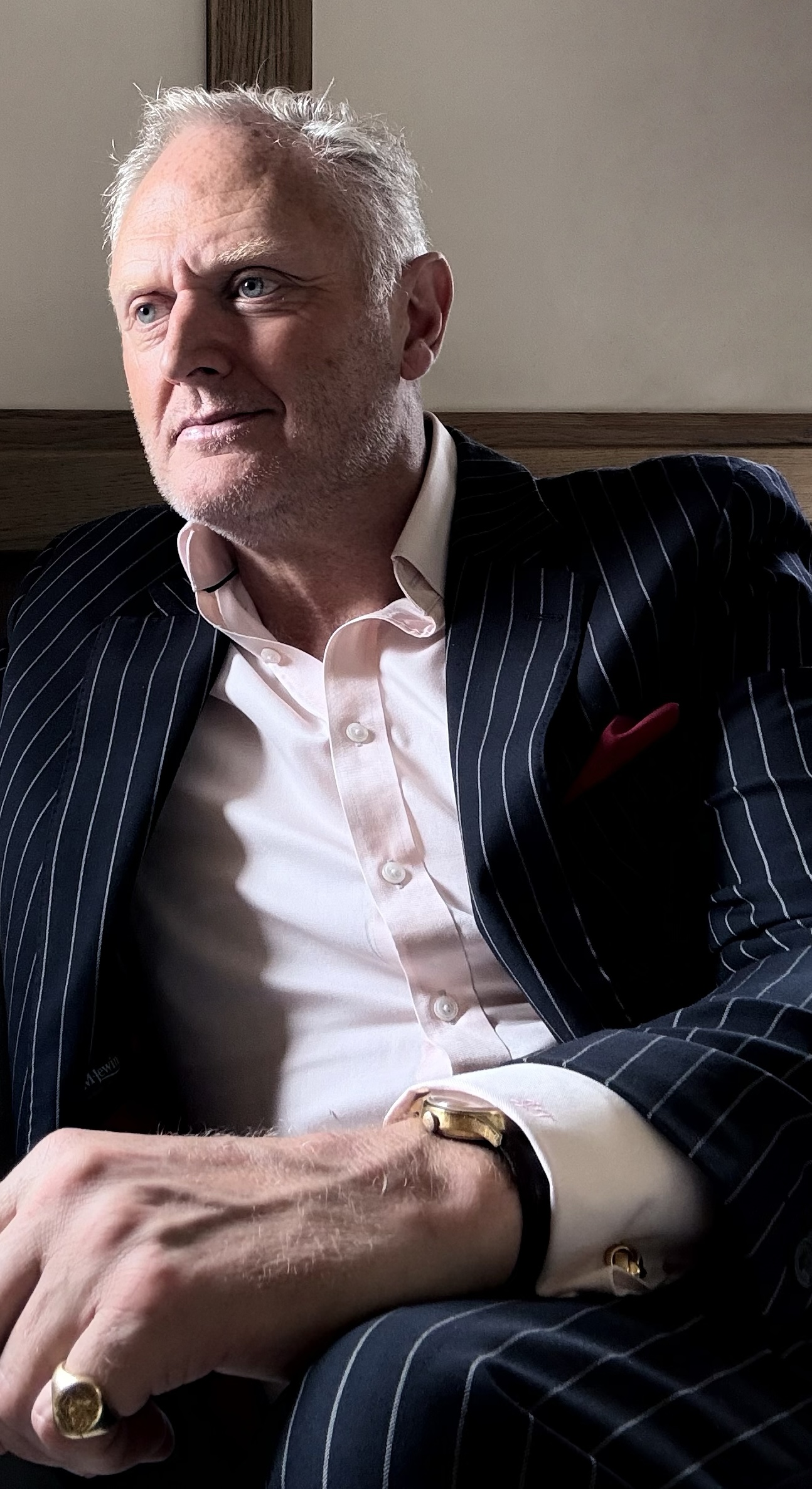
By Jasper Trumble