


Journal
Why some things are worth repairing
The quiet shift from ownership to stewardship
14th September 2026
We have become extraordinarily good at replacing things.
A phone develops an irritating fault and a newer one begins to look strangely appealing. A zip breaks on a bag and, before anyone has seriously investigated whether a new zip might solve the problem, seventeen potential replacements are open in browser tabs. A chair becomes tired, shoes become scuffed, a watch stops keeping perfect time, and the instinctive question is increasingly not how do I fix this? but what should I buy next?
There are perfectly rational reasons for this. Modern manufacturing has made many products relatively inexpensive, enormously accessible and remarkably easy to replace. Repair, meanwhile, can involve finding the right person, waiting, paying for skilled labour and temporarily living without the object. Against the seduction of next-day delivery, maintenance can feel almost perversely inconvenient.
Yet something interesting happens when the object matters.
We behave differently.
The watch goes for servicing. The chair is reupholstered. The leather bag receives a new handle. The favourite jacket goes to a tailor. The shoes are cleaned, conditioned and repaired. Suddenly the inconvenience seems perfectly reasonable because replacement would solve the practical problem while creating another one: the new object would not be this object.
That distinction sits at the heart of repair.
Maintenance is ostensibly about preserving material, but beneath it lies a much more interesting philosophy about value. Repair says that usefulness does not end when perfection does. It says age is not necessarily obsolescence. Most importantly, it suggests that ownership carries a small responsibility: if we have chosen something worth having, perhaps it is also worth looking after.
This is the natural next chapter after What Future Heirlooms Look Like. That article considered how objects accumulate enough memory and meaning to become worth passing between generations. Repair asks what happens in the years before that. Long before anything becomes an heirloom, somebody has to make the less romantic decision to clean it, maintain it and occasionally spend money preventing it from becoming rubbish.
That is where ownership starts becoming stewardship.
1. We Used to Repair Things Because We Had To
Repair once occupied an entirely ordinary place in domestic life. Clothes were altered and mended, furniture restored, shoes resoled, watches serviced and household equipment repaired because replacing everything at the first sign of wear would have been economically absurd. Objects were expected to have lives containing maintenance.
That relationship gradually changed as manufacturing became cheaper and distribution became faster. In many categories, the price difference between repair and replacement narrowed or disappeared altogether. Products also became increasingly complex and, in some cases, deliberately difficult to repair. At the same time, marketing became exceptionally effective at persuading us that an older object did not necessarily need to be broken before it needed replacing. It merely needed to look older than the new version.
This created a subtle shift in our definition of an object’s useful life. Functionality became only one factor. Fashion, novelty, technological improvement and the simple availability of alternatives could all bring ownership to a premature end. A perfectly serviceable object could become psychologically obsolete while remaining physically sound.
Footwear provides a particularly clear example. A pair of shoes was historically something that might visit a cobbler several times during its life. Today, enormous quantities of footwear are constructed and priced within a replacement model. When something fails, the economic logic often points towards another pair. That is not necessarily irrational; repairing a poorly made object can cost more than the object justifies.
The more interesting question is what happens when we deliberately choose the opposite model. What if the initial purchase is made with long-term ownership in mind? What if the material improves rather than merely survives? What if familiarity is considered an advantage rather than evidence that something is due for replacement?
That idea sits naturally beside The Ownership Era: Why Modern Consumers Care More About Keeping Than Buying. Acquisition is only the opening moment in the life of a good product. The more revealing question is what happens afterwards.
A culture of repair begins by allowing an object to have an afterwards.
2. Disposable Culture Has Made Replacement Feel Like Progress
Newness carries an extraordinary psychological advantage. It arrives clean, unmarked and full of possibility. Nothing squeaks. Nothing is scratched. Nothing reminds us that time is passing. Even the packaging seems determined to congratulate us on having made an excellent decision.
Repair offers almost none of this theatre.
The repaired object comes back looking largely like the object we already owned. If the work has been done particularly well, we may struggle to see what we paid for. This makes maintenance commercially disadvantaged because it offers continuity when modern consumer culture is exceptionally skilled at selling transformation.
The distinction matters. Replacement often gives us a brief emotional reward unrelated to the practical problem it supposedly solves. The damaged object provides permission to shop. We tell ourselves that replacement is necessary, then somehow end up researching a considerably better version than the one apparently required.
Luxury is not immune to this behaviour. In fact, luxury can make it worse. Seasonal collections, limited editions and continuous product launches can encourage expensive goods to be consumed according to surprisingly disposable rhythms. A product can be beautifully made and still participate in a culture that expects the customer to become bored with it quickly.
That is why longevity requires more than good construction. It also requires design that can survive changes in taste. The Beauty of Restraint explores why removing unnecessary fashion signals can allow materials, proportion and craftsmanship to remain relevant for longer. A product cannot realistically become a long-term companion if its principal attraction expires with the trend that created it.
Repair therefore begins much earlier than the workshop. It begins at design and purchase. We are more likely to maintain something when we chose it carefully in the first place, when it still feels aesthetically relevant and when replacing it would feel like losing something rather than upgrading something.
Disposable culture asks what comes next.
Long-term ownership asks whether next is actually necessary.
3. The Moment an Object Becomes Worth Saving
Not everything deserves repair.
This is important because arguments about sustainability and craftsmanship can occasionally drift into the absurd position that throwing anything away represents moral failure. Nobody needs to commission a specialist restoration of a £12 toaster that has caught fire twice. Sometimes an object’s useful life genuinely ends.
The interesting territory lies between obvious disposal and obvious preservation.
Imagine two leather bags with broken handles. One was bought cheaply, rarely enjoyed and happens to be sitting nearest the door. The other has travelled with its owner for fifteen years. It fits perfectly beneath an airline seat, has softened beautifully, contains a small stain from a trip nobody else remembers and has developed the irritating but familiar habit of requiring its main zip to be pulled at a particular angle.
Functionally, both need a handle.
Emotionally, they are completely different repair decisions.
This is where value begins separating from price. An object’s replacement cost can be calculated. Its accumulated usefulness, familiarity and personal significance are considerably harder to price. The Gap Between Price and Value examines precisely this distinction: purchase price is established at the beginning, while value can continue developing throughout ownership.
Repeated use changes the equation because familiarity itself becomes useful. We know how an object behaves. Shoes have adapted to the foot. A jacket has softened. A bag has developed its own internal geography. A watch feels correct on the wrist. These are tiny efficiencies, but together they create attachment.
Eventually there is a moment when replacement no longer feels neutral. A new object might perform the same technical function, perhaps even better, yet something would be lost.
That is the moment repair starts making emotional as well as economic sense.
It is also the moment a possession begins becoming personal.
4. Attachment Is Not Irrational — It Is Evidence of Use
We often talk about emotional attachment to possessions as though it were a slightly embarrassing human weakness. We know perfectly well that a watch cannot care who owns it and that a pair of sneakers has not enjoyed the holiday, however excellent the photographs suggest it was.
Yet objects are extraordinarily effective carriers of memory.
The reason is repetition. Personal possessions accompany us through environments and experiences often enough that they become associated with them. A particular jacket can evoke a period of life. A suitcase can contain years of journeys even when it is empty. Shoes can remind us of where we wore them, who we were with and occasionally how far we walked after confidently insisting the restaurant was “just around the corner.”
This is not necessarily nostalgia. It is associative memory.
The relationship becomes especially strong with objects used frequently. The Objects That Quietly Define Us explores how repeated choices can become personal signatures. The same behavioural process also explains why repair can feel so natural. We do not merely maintain the material object; we preserve continuity with something that has become woven into daily life.
That does not mean we should retain every possession forever. Emotional attachment can easily become clutter with a compelling backstory. The test is whether the object continues to earn its place through use, pleasure or genuine significance.
When it does, repair becomes remarkably logical.
A familiar object does not need to compete against every new alternative on specifications alone. It already possesses something a replacement cannot offer on day one: history.
5. Good Leather Is Supposed to Change
Leather presents one of the clearest arguments for maintenance because change is built into the material.
High-quality natural leather does not remain visually identical throughout its life. It flexes, softens, develops creases and can deepen in tone. Areas repeatedly handled or flexed may become subtly different from areas protected from contact. Over time, two objects made from similar leather can develop noticeably different appearances because their owners have used them differently.
This is not a defect to be prevented at all costs.
It is part of the attraction.
The important distinction is between ageing and neglect. Leather developing creases through normal wear is ageing. Leather drying until it cracks because it has received no care is neglect. A suede panel acquiring subtle variation is character; allowing dirt to become permanently embedded because cleaning seemed inconvenient is something less romantic.
The material therefore creates a relationship between use and maintenance. Why Leather Still Wins (Despite Everything) considers why leather remains compelling precisely because it can respond to its owner rather than remain visually static. Care allows that process to happen gracefully.
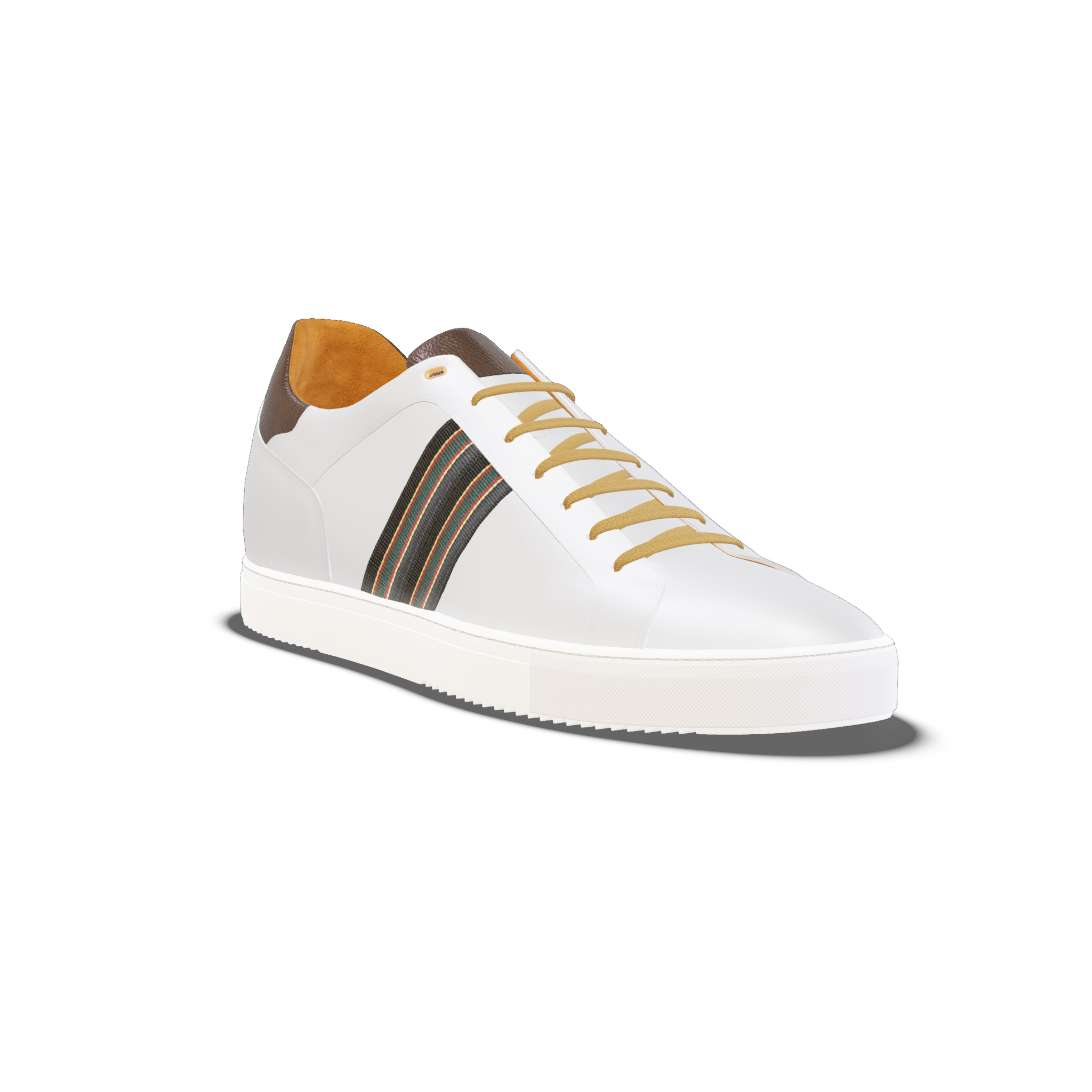
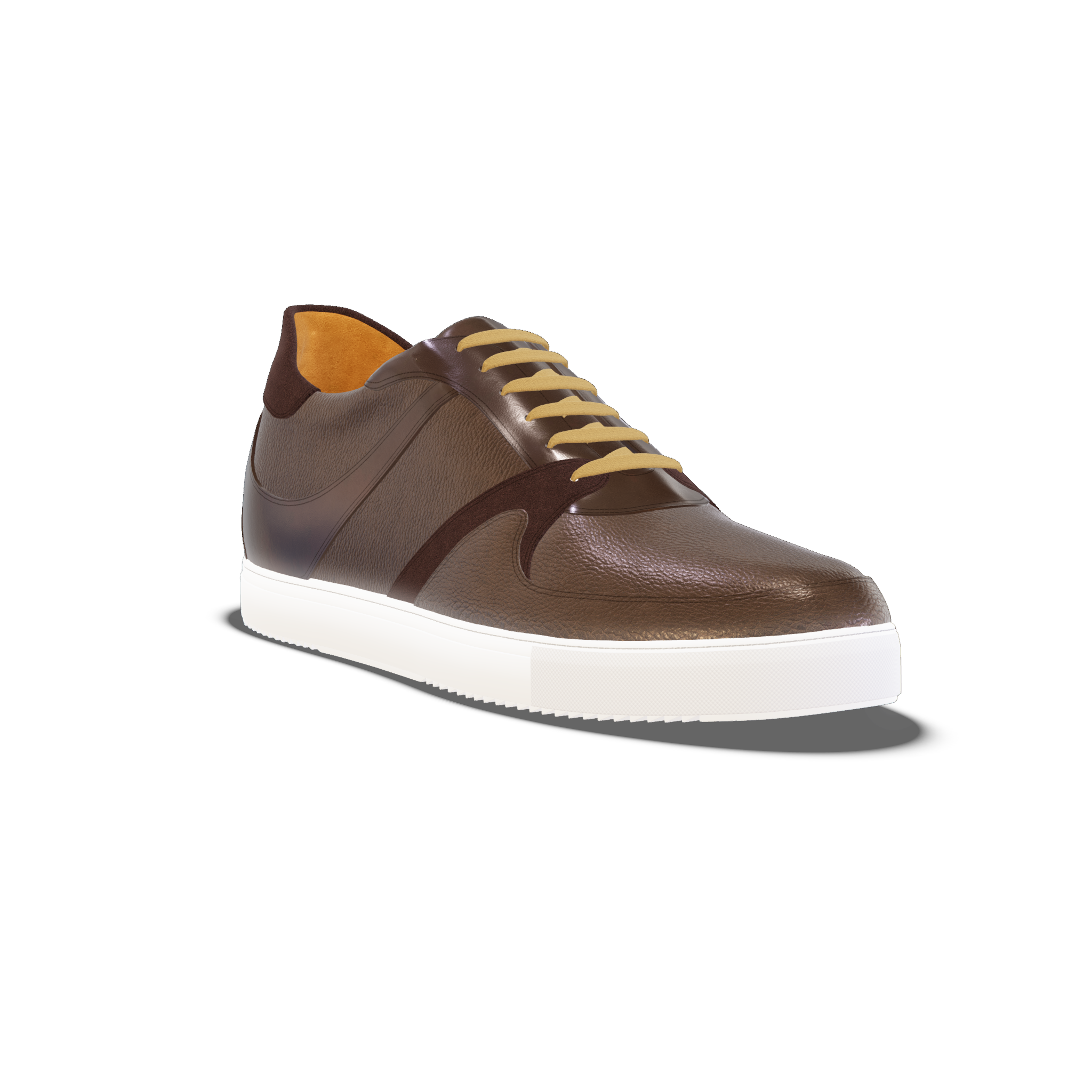
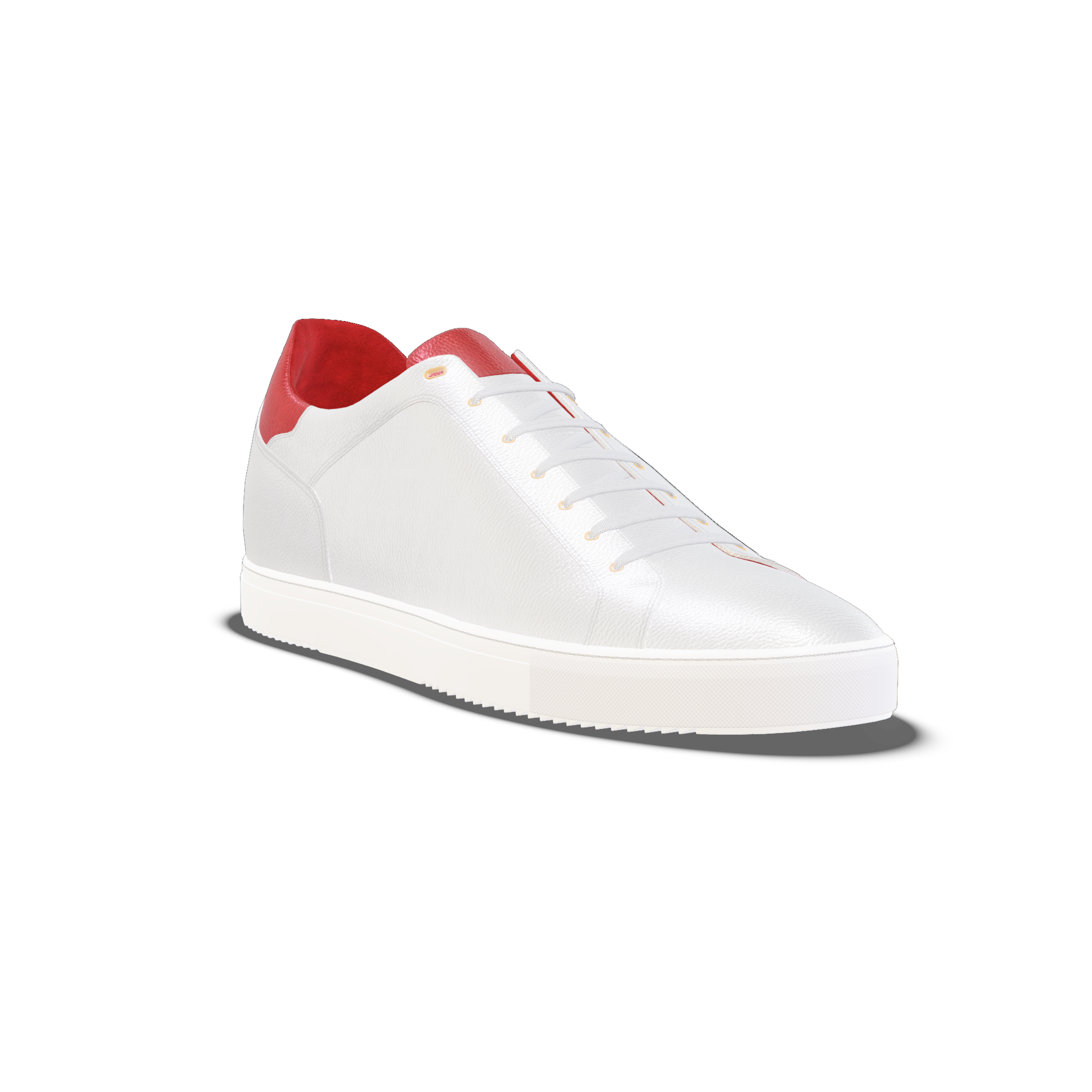
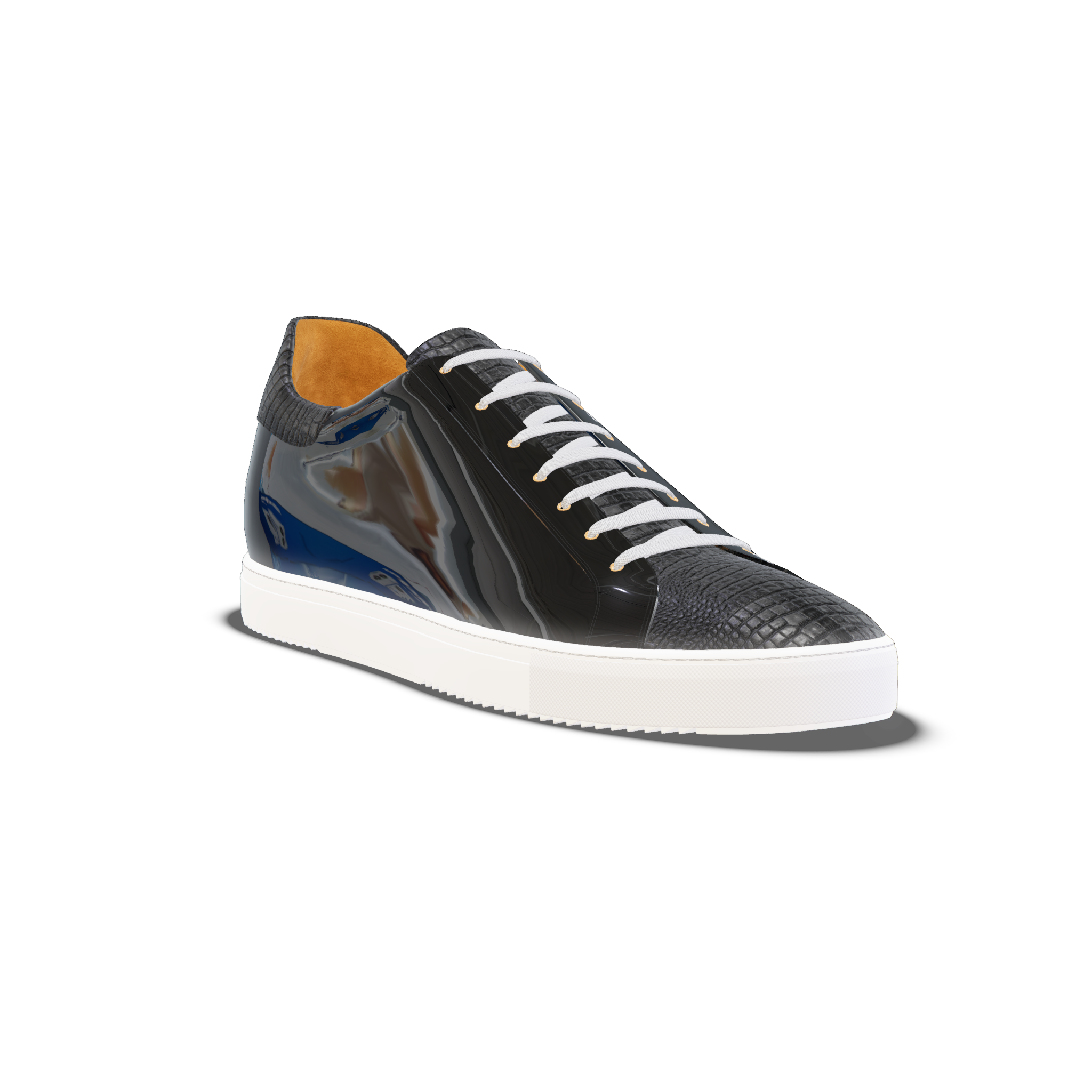
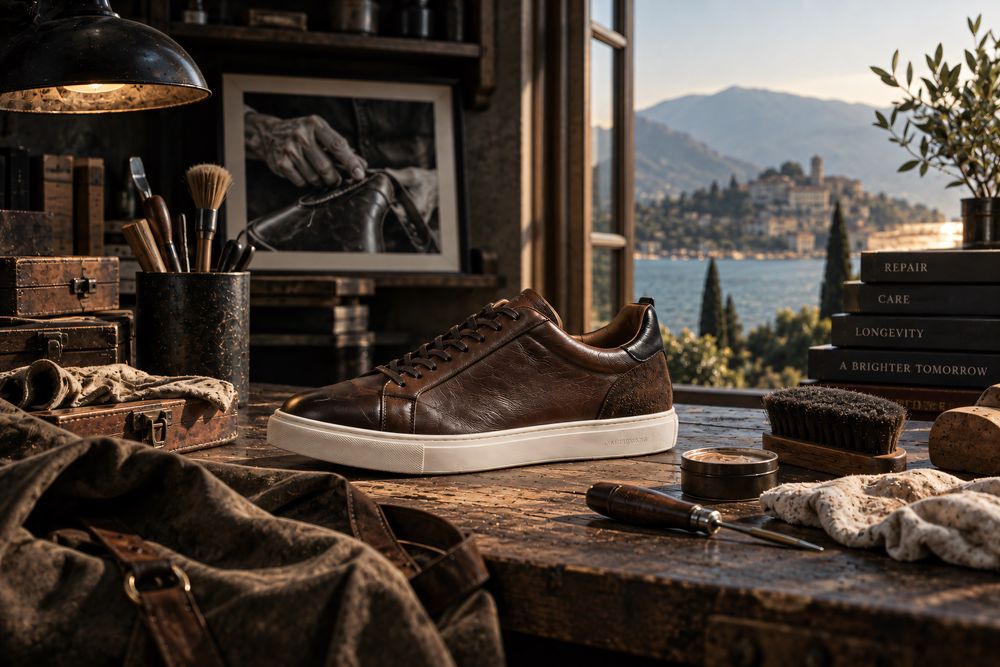
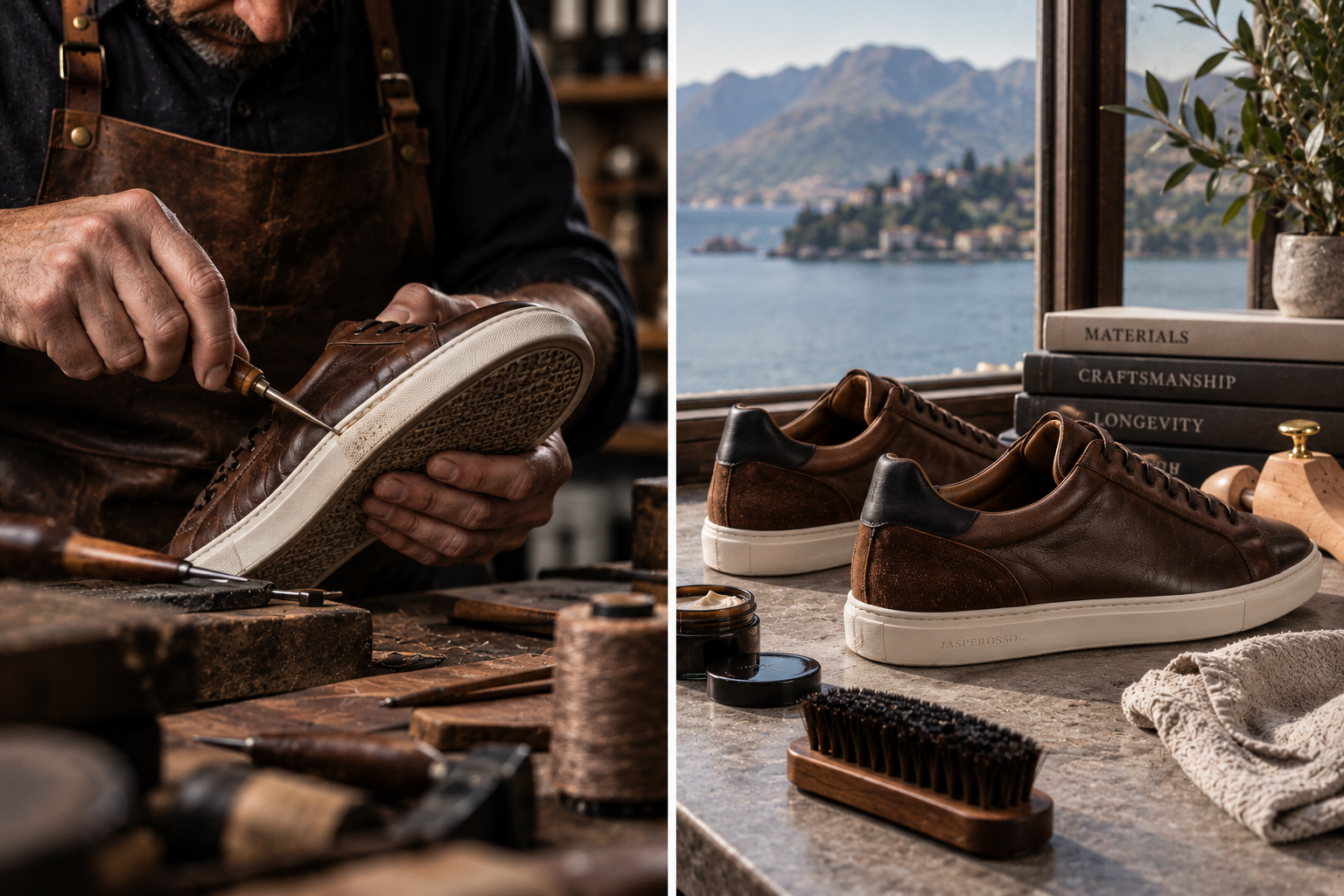
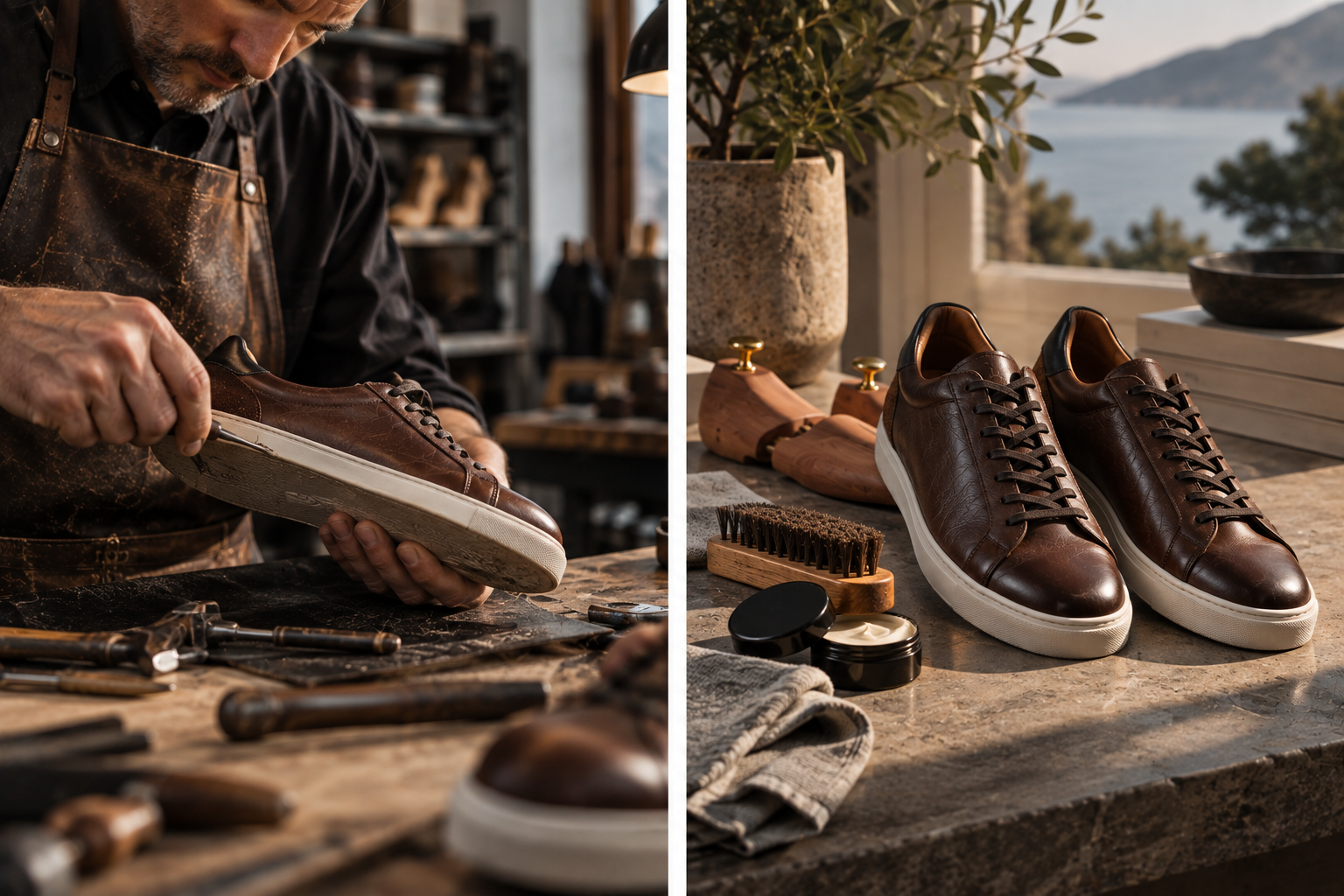
For leather sneakers, the principles are straightforward. Surface dirt should be removed before it becomes ingrained. Smooth leather benefits from an appropriate conditioner or cream used sparingly and according to the particular finish. Suede requires products and brushes intended for suede rather than the enthusiastic application of ordinary polish. Wet footwear should dry naturally, away from direct heat, and shoe trees can help retain form while absorbing some residual moisture.
None of this requires turning footwear care into a Sunday ritual involving twelve brushes, specialist lighting and the solemnity of open-heart surgery. Regular, modest attention is more useful than occasional panic.
The objective is not to keep leather looking new.
It is to help it become old well.
6. Maintenance Is Part of the Price of Luxury
Luxury purchases are often discussed as though the price at checkout represents the entire financial relationship.
It rarely does.
A mechanical watch requires servicing. A performance car requires maintenance. Fine tailoring occasionally needs alteration or repair. Quality furniture benefits from care. Leather needs conditioning. These costs do not undermine the value of the object; they are part of preserving it.
Strangely, consumers can be more reluctant to spend £50 maintaining something they already own than considerably more replacing it. Replacement feels like acquisition. Maintenance feels like an expense.
The arithmetic suggests we should sometimes reverse that instinct.
If maintenance extends an object’s useful life by several years, the cost may be trivial compared with replacement. More importantly, long-term ownership changes the meaning of the original purchase price. This is the principle behind The Cost-Per-Wear Fallacy: Why Expensive Sneakers Are Often the Smartest Buy. A £425 pair worn hundreds of times can represent better value than a succession of cheaper pairs worn briefly and abandoned.
Maintenance strengthens that equation.
If care and occasional repair allow 300 wears to become 500, the value of the original craftsmanship has not merely been preserved; it has been extracted more completely. We have actually used what we paid for.
Luxury therefore deserves maintenance not because expensive objects should be treated reverentially, but because quality creates the potential for a longer life. Failing to care for a well-made object wastes some of the very value that justified buying it.
The irony is obvious. We sometimes spend more to acquire better materials and craftsmanship, then behave as though those qualities should somehow maintain themselves.
They cannot.
Quality creates potential.
Care converts that potential into longevity.
7. Repair Reveals Whether Something Was Truly Made to Last
A product’s construction is easiest to admire when it is new. Its true quality may become clearer years later.
Can worn areas be addressed without destroying the entire object? Can stitching be repaired? Can components be replaced where construction permits? Does the main material remain structurally sound after extended use? Has the design aged gracefully enough that investing in repair still feels worthwhile?
These questions reveal a dimension of craftsmanship rarely captured in product photography.
The significance of human skill in manufacturing is explored in Why Handmade Still Matters in an Automated World. Craftsmanship is not valuable simply because a human touched something. It matters when experience, judgement and material understanding produce an object capable of rewarding long ownership.
Repair extends the same philosophy.
A skilled repair is itself a form of craftsmanship. The objective is not always to erase every trace of age and return the object to an imaginary factory condition. Sometimes the better intervention is sympathetic: restore function, stabilise wear, preserve character.
This is particularly important with leather because over-restoration can remove precisely what made the object interesting. There is little point preserving a twenty-year-old bag by making it look as though nobody has ever carried it.
Good maintenance respects time rather than pretending it did not happen.
That principle changes the way we evaluate luxury. Instead of asking only, “How beautiful is this when new?” we begin asking, “What will this be like after five years? Ten? What happens when something wears out?”
Those are less glamorous questions.
They may also be better ones.
8. Wear Is Not the Enemy. Neglect Is.
The desire to protect an expensive object can become counterproductive.
We save the good shoes for special occasions, keep the beautiful luggage away from actual luggage handlers and avoid wearing the watch because it might acquire a scratch. Eventually we own perfectly preserved objects containing almost no evidence that they belonged to us.
That is preservation, but it is not necessarily ownership.
A well-made product should be used. The challenge is learning to distinguish evidence of use from preventable deterioration. Why Real Luxury Rarely Looks New makes the case that ageing can enhance natural materials rather than diminish them. The key is allowing wear while controlling neglect.
For footwear, this means accepting creases while preventing leather from drying excessively. It means understanding that soles wear because that is their job, while recognising abnormal wear early enough to investigate it. It means cleaning dirt rather than becoming distressed by every tonal variation. It means allowing the sneaker to develop character without confusing “character” with having been abandoned underneath the passenger seat of a Land Rover for eighteen months.
This attitude is liberating because it removes the impossible objective of permanent newness.
The first mark ceases to be a disaster.
The first crease becomes normal.
The object is allowed to participate in life.
Maintenance then becomes periodic rather than obsessive. We intervene when intervention is useful, not every time the product demonstrates that it has encountered the outside world.
The result is something better than preservation.
It is controlled ageing.
9. Repair Changes Us from Consumers into Stewards
Ownership is usually described in legal terms. We buy something, it becomes ours, and we may do whatever we wish with it.
Stewardship introduces a slightly different idea.
A steward accepts temporary responsibility for something considered worth preserving. The word is usually associated with land, buildings, art or institutions, but it offers an interesting way to think about personal possessions too. We may own an object, but our behaviour determines what condition it reaches tomorrow in.
This becomes particularly powerful when the object has the potential to outlast one phase of our life. A good watch may eventually belong to somebody else. Furniture may move homes. Jewellery can cross generations. As explored earlier, even beautifully made contemporary footwear can conceivably become significant enough to preserve.
But stewardship does not require an heir.
An object is worth maintaining simply because continued use is preferable to unnecessary replacement. The environmental logic is straightforward: extending useful life delays the demand for another object and makes fuller use of the materials, labour and energy already invested in the existing one.
The psychological effect is equally interesting. Care creates engagement. Cleaning leather means noticing its condition. Repair requires considering how an object is constructed. Maintenance encourages understanding, and understanding tends to increase appreciation.
This can alter purchasing behaviour as well.
Once you become accustomed to maintaining good things, disposable alternatives become less satisfying. You begin examining materials, construction and repairability before buying because you are no longer thinking only about the first year of ownership.
You are considering the fifth.
Perhaps the tenth.
That is stewardship in its simplest form: buying with enough intention that caring for the object later feels obvious rather than burdensome.
10. The Best Things Earn Another Chapter
Eventually, every object reaches a decision point.
Sometimes replacement is correct. Materials fail beyond sensible repair, needs change or the economics simply stop making sense. Longevity should never become a competition to see who can keep a pair of shoes alive through increasingly heroic medical intervention.
But sometimes the decision is different.
The leather is still beautiful.
The fit has become exceptional.
The design still feels relevant.
The object has been present long enough to acquire memories.
The problem is repairable.
At that point, maintenance is not an act of nostalgia. It is a rational acknowledgement that the existing object still has more to give.
This is perhaps where luxury finds one of its most meaningful modern definitions. Luxury is not simply the ability to replace something whenever we choose. It may increasingly be the ability and willingness to own something worth not replacing.
That philosophy runs against much of contemporary consumption. It rewards familiarity rather than novelty, patience rather than immediacy and continuity rather than constant reinvention. It asks us to extract more life from fewer things.
For a brand such as Jasperosso, this matters because craftsmanship should not end when a pair of sneakers leaves the workshop. Italian leather, skilled construction and considered design create the starting conditions for longevity. The owner completes the process through wear, care and, when appropriate, repair.
A beautifully made sneaker should not spend its life being protected from life. It should travel, crease, soften and gradually become unmistakably its owner’s. The objective is not to preserve the exact appearance of the day it arrived. It is to preserve what made it worth owning while allowing time to add something of its own.
There is a satisfying circularity to this.
We choose quality because we expect it to last.
Because it lasts, we use it more.
Because we use it more, it becomes familiar.
Because it becomes familiar, we become attached to it.
Because we become attached to it, we maintain it.
And because we maintain it, it lasts.
That cycle is almost the opposite of disposable culture. Instead of desire peaking at the moment of purchase and declining until replacement, value can actually increase through ownership.
A repaired seam becomes evidence that we chose continuation.
Conditioned leather records years rather than hiding them.
A replaced component allows the larger object to remain.
Eventually, what began as maintenance becomes part of the object’s history.
That is why some things are worth repairing.
Not because old is automatically better than new. Not because every scratch deserves romantic interpretation. Not because replacement is inherently wasteful or morally suspect.
Some things are worth repairing because their value did not disappear when they stopped being perfect.
In many cases, that is precisely when their value became more interesting.
By Jasper Trumble