



Journal
The Luxury of Not Needing to Impress
When Confidence Replaces Conspicuous Consumption
28th September 2026
Luxury has always had an audience. For centuries, expensive possessions communicated things. A large house suggested wealth. Elaborate clothing demonstrated access to materials and labour unavailable to most people. Jewellery displayed prosperity with admirable efficiency. Later came recognisable watches, cars, handbags, logos and all the other objects capable of informing a stranger, without the inconvenience of conversation, that their owner had done rather well.
There is nothing mysterious about this. Human beings are social creatures, and possessions have always participated in the way we communicate status, belonging and identity. We notice what other people wear. We make assumptions from it. Sometimes those assumptions are even correct.
But there is another stage of luxury that is considerably more interesting. It arrives when the audience becomes less important. You still appreciate beautiful things. You may care deeply about materials, proportion, craftsmanship and design. You may happily spend considerably more for something exceptional. The difference is that you no longer require everybody else to understand why.
The leather can be extraordinary without being recognisable from across a restaurant. The watch can matter without somebody identifying the reference number. A jacket can fit beautifully without advertising who made it. Sneakers can be individually designed without announcing their price or provenance to every person who walks past. The value moves inward.
This is not anti-luxury. It may be luxury in one of its most developed forms, because there is an important difference between owning something impressive and needing to impress with what you own. The first is about the object. The second is about the audience. This article is about what happens when the audience gradually disappears.
1. Luxury Has Always Been a Language
Before dismissing conspicuous consumption as shallow, it is worth acknowledging that possessions have communicated social information for a very long time. Clothing historically revealed occupation, class, wealth and sometimes legal status. Certain colours and materials were expensive precisely because they were difficult to produce. Elaborate craftsmanship required skilled labour and time. Owning beautiful things demonstrated access to scarce resources because, quite literally, relatively few people could afford them.
Luxury therefore communicated status partly because status and quality were genuinely connected through scarcity. Modern manufacturing complicated this relationship. Many of the visual signals once associated with luxury can now be reproduced inexpensively. Decorative complexity is easy to manufacture. Logos can be applied to almost anything. Trends can move from a runway to mass-market retail with extraordinary speed. The appearance of exclusivity has become far easier to reproduce than the substance behind it.
This has created an interesting problem for luxury. If everybody can display the visual vocabulary of status, status requires increasingly obvious signals to distinguish itself. Logos become larger. Products become more recognisable. Limited editions become more limited. Scarcity itself becomes part of the marketing. Yet at the same time, another group of consumers moves in precisely the opposite direction. They become less interested in whether an object is immediately identifiable and more interested in whether it is actually good.
This is where the distinction between recognition and appreciation becomes important. Recognition is public: someone sees the object and knows what it is. Appreciation can be entirely private. The owner knows why the leather was chosen, how the object was made, why the proportions work and how it feels to use. Both can coexist, but only one requires an audience.
This is part of the broader relationship between possessions and identity explored in The Objects That Quietly Define Us. The objects most strongly associated with us are often not those chosen to impress other people. They become significant because we repeatedly choose them until they become personal signatures.
The distinction is subtle but important. A status symbol says, “Look what I have.” A signature says, “This is what I like.” Mature luxury increasingly belongs to the second sentence.
2. The Most Expensive Thing in the Room Doesn’t Have to Announce Itself
There is something strangely compelling about an object whose quality reveals itself gradually. From ten metres away, it may look relatively ordinary. At five metres, the proportions seem particularly well resolved. Up close, the material becomes obvious. Then you notice the stitching, finishing and small construction details. You touch the leather and understand something the photograph could not communicate. Eventually, the price makes more sense, not because the object has become more conspicuous, but because you have become better informed.
This is almost the inverse of conventional status consumption. A conspicuous object delivers its message quickly. Recognition is part of its purpose. Its branding, silhouette or cultural significance allows observers to understand what they are looking at immediately. Understated luxury asks more of both owner and observer. Quality becomes something to discover.
This can make the experience considerably more personal because the owner is no longer paying primarily for recognition. They may be paying for something almost nobody else notices: a particular grade of leather, hand finishing, an unusually comfortable lining, a beautifully balanced proportion or a construction technique hidden beneath the surface.
From a purely signalling perspective, this seems inefficient. Why pay for something nobody can see? Because you can, and because you appreciate the difference. That may be one of the clearest distinctions between status consumption and personal luxury. The former asks whether other people understand the value. The latter asks whether you do.
This is why The Beauty of Restraint matters beyond aesthetics. Restraint is not merely removing decorative elements. It places greater responsibility on the things that remain. When there is nowhere for mediocre materials or poor proportions to hide, quality has to do the work. There is confidence in that. The object does not need to explain itself immediately, and neither does the person wearing it.
3. Logo Fatigue Is Really About Something Bigger
The rise of so-called quiet luxury is often reduced to one visual characteristic: fewer logos. That explanation is too simple. Removing a logo does not automatically create sophistication. A badly designed product without branding remains a badly designed product. Conversely, some of the world’s finest luxury houses have used recognisable signatures brilliantly for generations.
The more interesting shift concerns where the value is located. For a heavily branded product, some of its value inevitably resides in public recognition. The customer purchases the physical object, but also access to the meaning attached to the name displayed on it. There is nothing inherently wrong with this. Brands matter because reputation matters. A respected name can represent decades of design, craftsmanship and cultural significance.
The problem begins when the signal becomes more important than the substance. At that point, the product is doing social work. It has to be recognised, it has to communicate and it has to ensure the correct people understand what has been purchased. That can become exhausting.
The appeal of understated luxury is therefore not simply visual minimalism. It is the possibility of withdrawing from the signalling competition altogether. You can wear something because you like it rather than because you need somebody else to recognise it.
This sounds obvious, but modern fashion makes it surprisingly radical. We live in an environment where outfits are photographed, purchases shared and taste continuously exposed to public judgement. Social media has turned private consumption into public performance with extraordinary efficiency. Even people who have no particular interest in becoming influencers can find themselves absorbing the logic of influence: how will this look, what does this say and will people notice?
Eventually, there is something luxurious about not caring very much. Not indifference to appearance, but indifference to approval. That is a considerably more sophisticated form of restraint.
4. Taste Changes When You Stop Dressing for Strangers
Imagine entering a shop in a city where nobody knows you. You will leave tomorrow. You will never see any of the people around you again. There is no social media. Nobody can photograph what you buy and nobody will ask where it came from. What would you choose?
The thought experiment is useful because it removes much of the external machinery surrounding taste. Would you still choose the most recognisable item? Would you still want the large logo? Would the fashionable colour still appeal? Would you spend the same amount if nobody could ever discover what it cost?
Some answers would remain unchanged, and those are the interesting ones. Personal style begins to clarify when external validation loses influence. Colours become choices because we genuinely enjoy wearing them. Materials matter because we enjoy touching and living with them. Silhouettes remain because they suit us rather than because they happen to be fashionable this month.
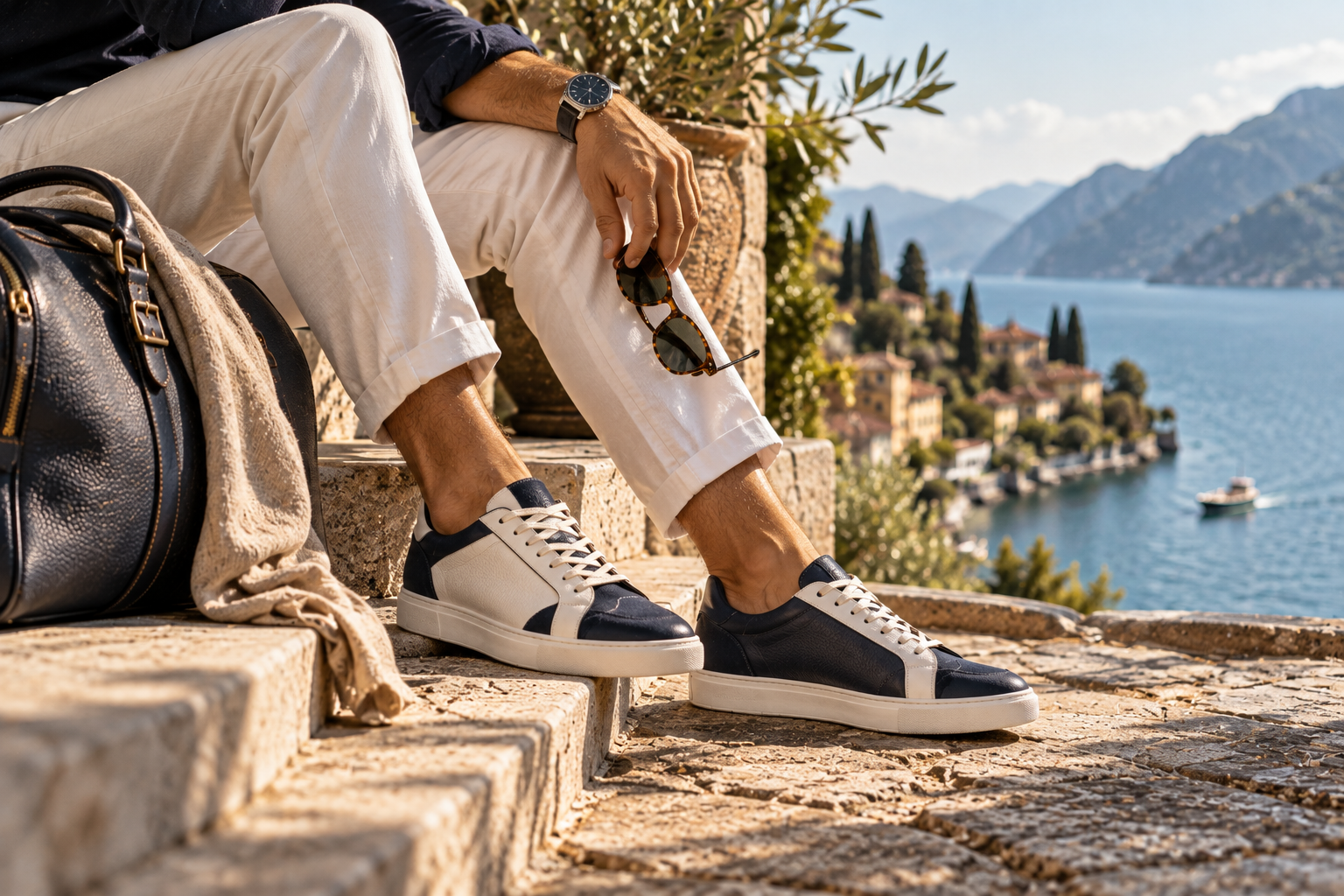
This process is examined in The Luxury of Knowing Exactly What You Like. Mature taste acts as an editing mechanism. Instead of experiencing every new possibility as an invitation, we become comfortable rejecting most of them because experience has taught us what actually belongs to us.
This is where confidence starts looking surprisingly repetitive. The same colours return, the same materials return and the same proportions return. You may discover that almost every pair of shoes you genuinely love occupies roughly the same aesthetic territory. Fashion might interpret this as insufficient experimentation. Experience might call it useful information.
Knowing what works removes the need to continuously demonstrate that you are capable of choosing something else. That is one of the great freedoms of personal style. You stop dressing for imaginary strangers and start dressing for the person who actually has to live in the clothes.
5. Confidence and Conspicuousness Are Not the Same Thing
There is a common assumption that confidence should be visible. Confident people wear bold things. They take risks. They enter rooms in clothing other people would be afraid to attempt. They make statements. Sometimes they do, but confidence can also produce precisely the opposite behaviour.
Someone secure in their taste may feel no obligation to make a statement at all. They can wear navy again. They can choose brown leather again. They can own one watch they particularly like and keep wearing it for fifteen years. They can attend an event in something they have worn many times before without worrying that repetition indicates a failure of imagination.
This is why The Confidence of Wearing Less connects naturally to the subject. Once personal style becomes established, endless alternatives become less important. Familiarity can strengthen identity rather than dilute it.
The same applies to conspicuousness. There is no requirement for understated luxury to be monochrome, conservative or visually timid. A confident person may genuinely love vivid colour, unusual texture or an unconventional design. The important question is why.
Are you wearing it because it gives you pleasure, or because you need the reaction? Those motivations can produce identical outfits, which is why judging somebody else’s intentions from their clothing is generally unwise. The distinction exists internally. One says, “I hope they notice.” The other says, “I like this.” Only the wearer knows which sentence is true.
6. Personalisation Becomes More Interesting When Nobody Can See It
There is a particularly revealing form of luxury in details designed primarily for the owner: the lining of a jacket, an engraving beneath a watch case, the leather inside a bag, a colour hidden beneath a collar or the interior of a car. None performs particularly well as public signalling because most people never see it, yet owners can care deeply about these details because private pleasure is still pleasure.
This is where personalisation becomes far more interesting than simple differentiation. Customisation is sometimes presented as a way of ensuring nobody else has precisely what you have, making rarity the objective. But rarity is not necessarily personal. You can create something unique that has almost nothing to do with your actual taste.
The more sophisticated form of personalisation asks a different question: what would make this more precisely yours? That might involve an unusual combination of colours. Equally, it might mean two nearly identical shades of navy distinguished primarily by texture. One customer may choose contrasting laces and eyelets because that genuinely reflects their personality. Another may spend considerable time selecting a lining that almost nobody will ever see. Both can be equally personal.
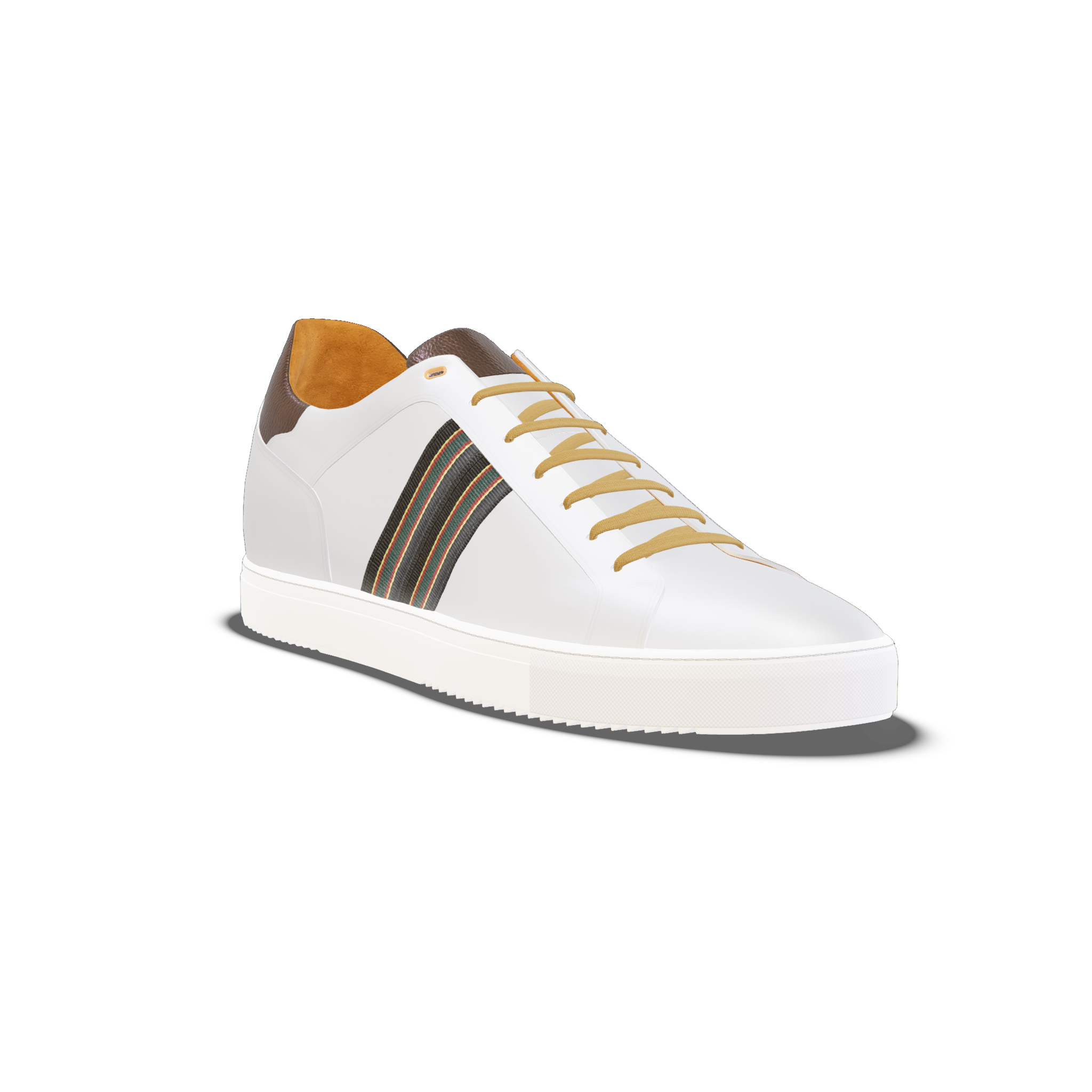
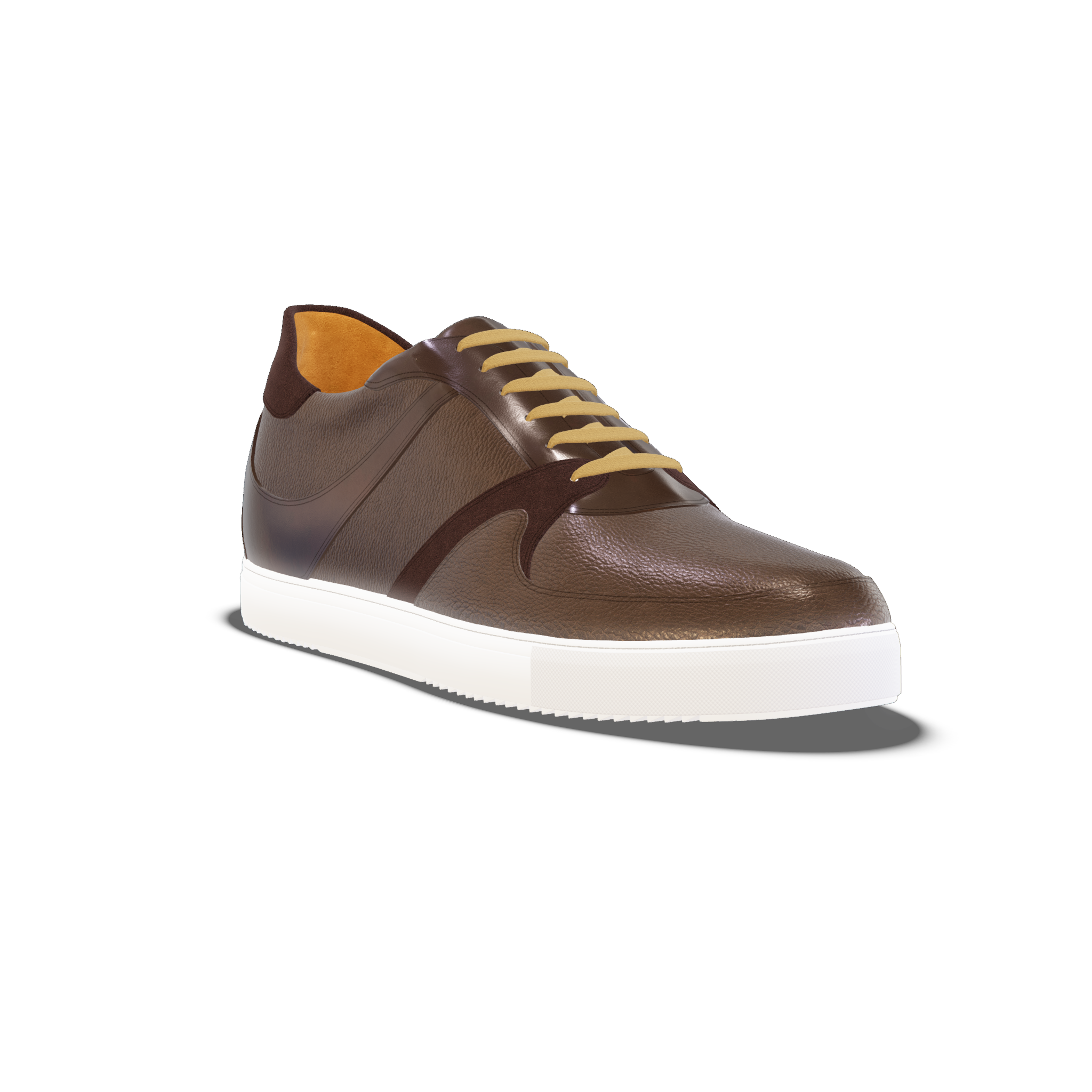
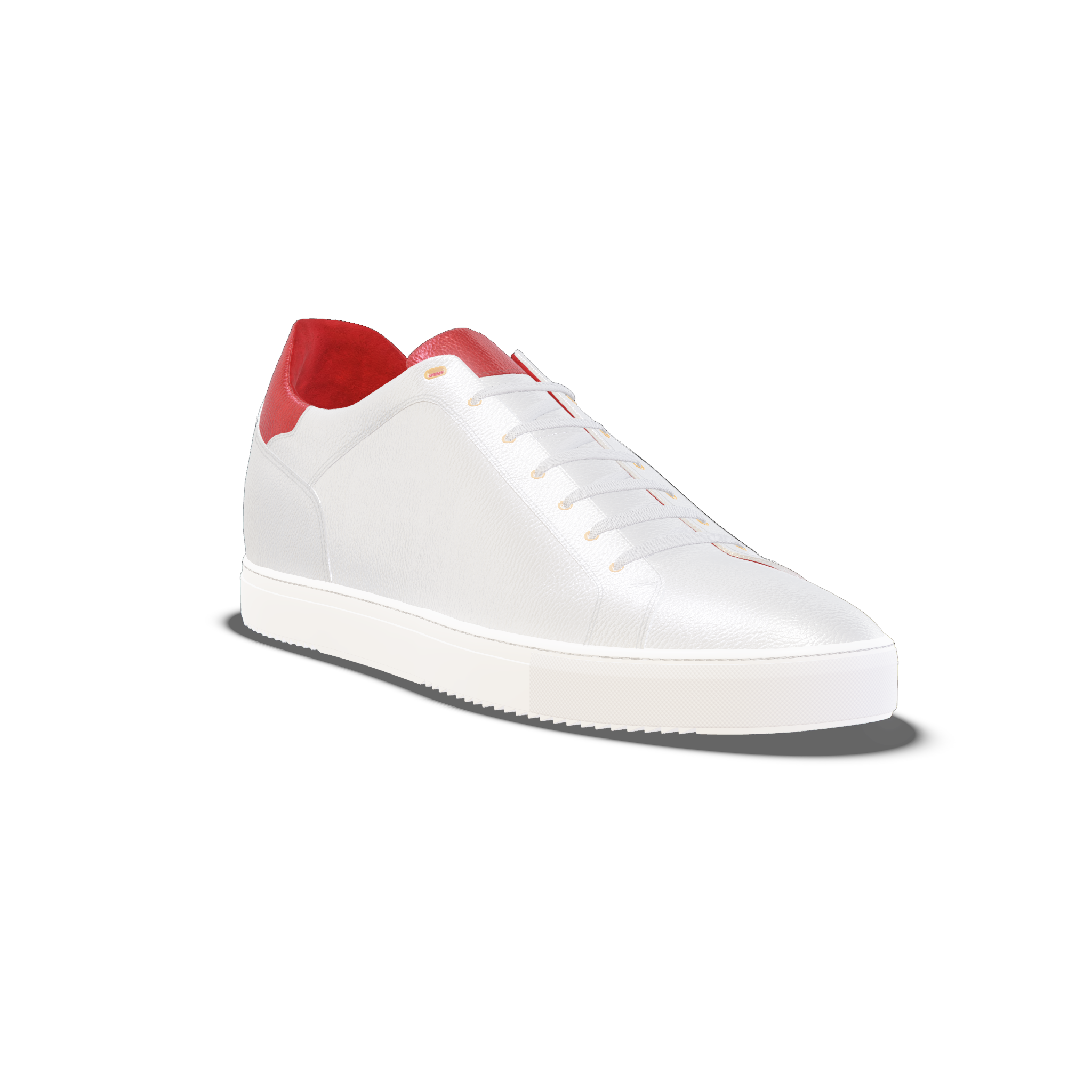
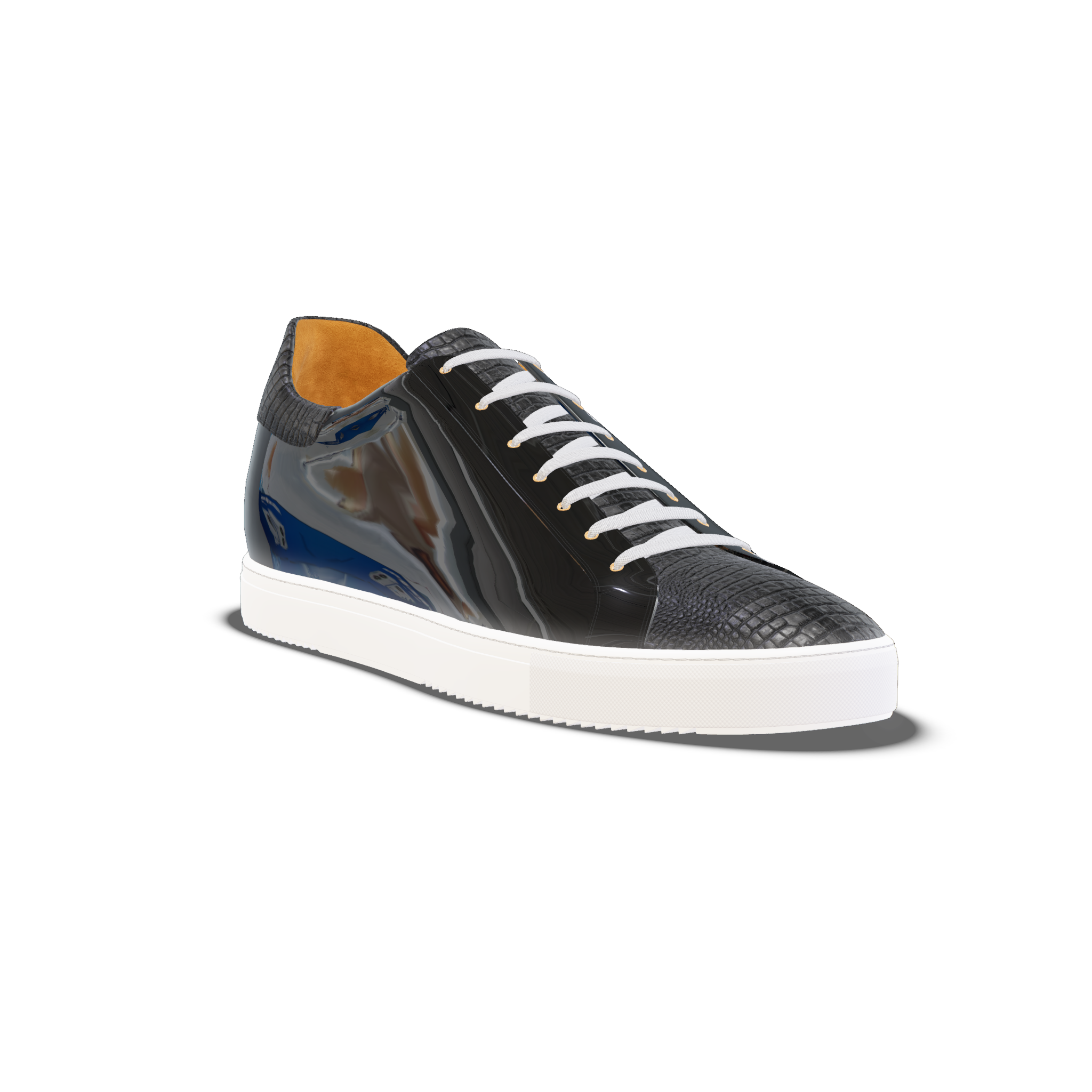
This philosophy suits Jasperosso’s three dimensional design studio particularly well. The ability to choose Italian leathers, colours, textures, laces, eyelets and lining does not mean every option needs to announce itself simultaneously. Choice provides the freedom to express restraint as easily as extravagance.
The strongest personalised design is not necessarily the one that looks most customised. It is the one where the owner understands every decision. This is also where Why Handmade Still Matters in an Automated World becomes relevant. As technology makes visual novelty increasingly easy to generate, human judgement, material knowledge and considered choice become more valuable precisely because they cannot be reduced to spectacle.
The future of luxury personalisation may therefore become quieter rather than louder: more precise, more intimate, more difficult for a stranger to understand and considerably more meaningful to the person who commissioned it.
7. When Price Stops Being Part of the Story
There is an interesting stage in ownership when you forget what something cost. Not literally, perhaps. An especially ambitious purchase can remain surprisingly memorable. But price gradually stops being the primary way you think about the object.
You no longer describe the watch as the watch that cost £X. It becomes the watch you wear every day. The jacket becomes the one that always works. The bag becomes the one you travel with. The sneakers become the pair you instinctively choose. The transaction recedes and ownership takes over.
This is one reason the relationship between price and luxury becomes more interesting over time. At the point of purchase, price dominates. It is explicit, measurable and impossible to ignore. Years later, other measurements become more important: frequency of use, comfort, durability, pleasure and attachment.
This distinction is central to The Gap Between Price and Value. Expensive and valuable are not synonyms. A high price can purchase exceptional materials and craftsmanship, but the value of ownership depends upon what happens afterwards.
This matters to conspicuous consumption because price is useful as a status signal only when somebody knows or can infer it. Private ownership does not need that information. If a beautifully made object improves your life for ten years, its original retail price eventually becomes historical data. The experience of owning it is what remains.
That is why some of the most satisfying luxury purchases become strangely difficult to discuss in financial terms. They have stopped being transactions and become possessions in the fullest sense.
8. The People With the Least to Prove Often Have the Clearest Style
Personal style tends to improve when it stops behaving like an audition. Early experimentation is useful. We borrow ideas, try identities and occasionally purchase something so catastrophically unsuitable that its principal long-term value is providing evidence that judgement improves with age.
Eventually, if we pay attention, patterns emerge. We discover which colours suit us, which proportions feel natural, which materials we enjoy and which fashionable ideas look wonderful on other people and should remain there. The wardrobe becomes more coherent because it is no longer trying to demonstrate range.
This does not mean becoming visually conservative. It means becoming selective. A person can have extremely distinctive style while operating within a narrow vocabulary. In fact, limitation often strengthens recognition because repetition creates consistency.
This is why status dressing can occasionally interfere with personal style. When the primary objective is demonstrating awareness, wealth or access, external signals can override individual preference. You buy the object because of what it represents rather than because of how naturally it belongs to you.
Remove the requirement to prove anything and the question becomes simpler: would I still choose this? Would you still buy the sneaker if nobody recognised the brand? Would you still choose the watch if nobody knew its value? Would you still select that colour if it were not currently fashionable? Would you still commission the detail if nobody else would ever notice?
If the answer remains yes, you are getting closer to personal taste. Personal taste is considerably harder to fake than status.
9. The Ultimate Luxury May Be Privacy
Luxury is usually associated with access: access to beautiful places, rare materials, exceptional craftsmanship, time and service. But perhaps privacy belongs on the list. Not simply physical privacy, but freedom from the requirement to explain our choices.
There is a particular pleasure in owning something whose significance belongs almost entirely to you. Perhaps nobody knows that the leather was selected from dozens of alternatives. Nobody knows why you chose that particular shade. Nobody knows that the lining refers to somewhere meaningful. Nobody knows how long you waited for it to be made or what it cost. Crucially, nobody needs to. The object still gives you exactly the same pleasure.
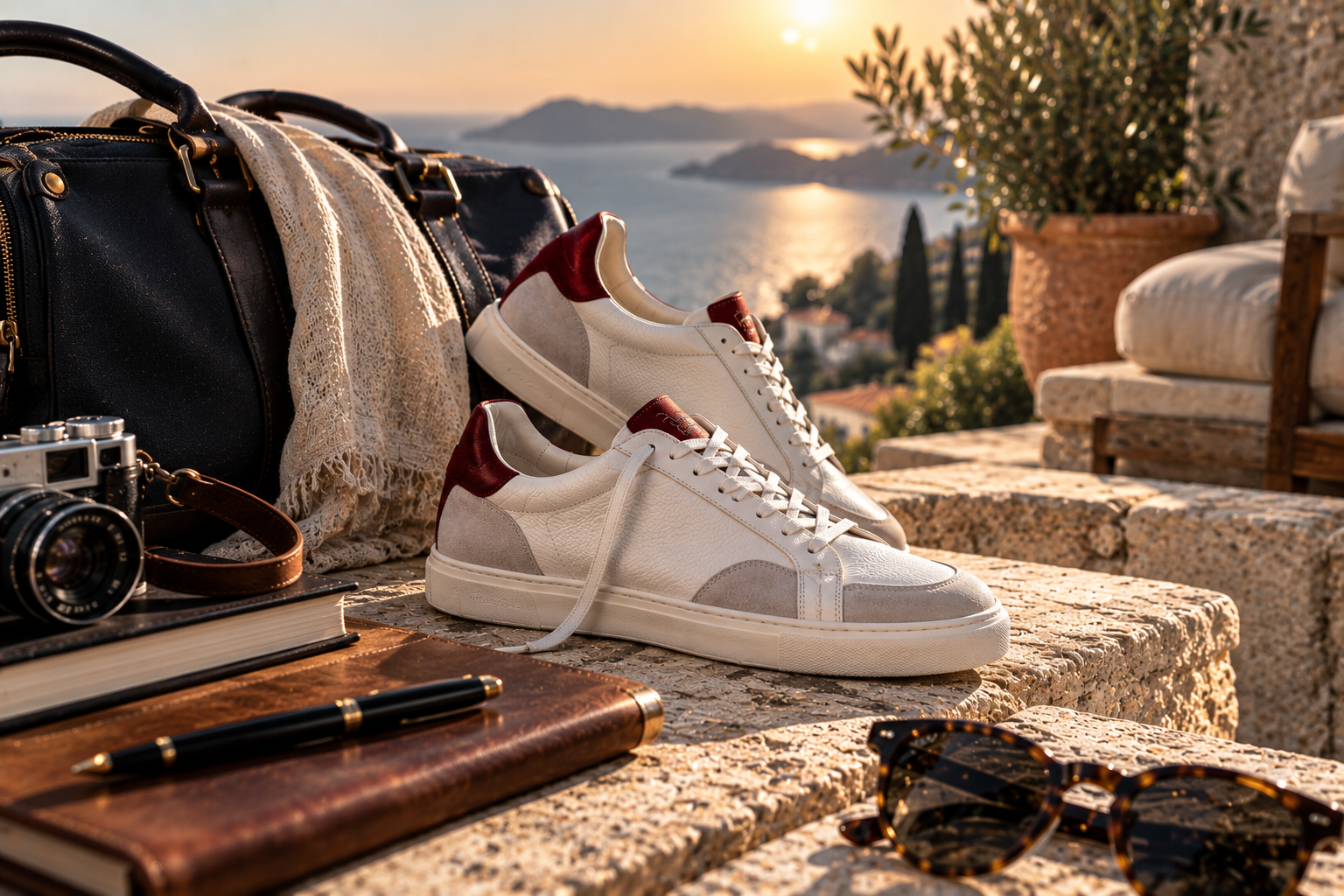
This is almost the opposite of traditional conspicuous consumption, where value increases through visibility. Private luxury can become more meaningful because it does not depend upon visibility at all.
The idea becomes particularly powerful with objects we use repeatedly. Over time, their importance shifts further away from public perception and towards personal familiarity. They acquire marks, memories and routines that mean almost nothing to somebody else. The object becomes less impressive in the abstract and more valuable in the specific.
That may be one of the most sophisticated things ownership can do. It takes something designed for sale to potential customers and turns it into something that feels connected to one person. Luxury stops being about access to what others cannot have and becomes access to something only you fully understand.
10. When You Stop Trying to Impress, What Is Left?
This is perhaps the most useful test of luxury. Remove the audience, the logo, the knowledge of what it cost, the fashionable context, the social media photograph and the compliment. What remains?
If the answer is beautiful material, exceptional craftsmanship, comfort, thoughtful design and the pleasure of owning something that feels unmistakably right, then very little of real value has been lost. Perhaps something has actually been gained.
Without the requirement to impress, we can judge objects more clearly. We can ask whether the leather feels exceptional rather than whether the brand is recognisable. We can ask whether the design belongs in our wardrobe rather than whether it belongs in the current season. We can ask whether we want to live with something rather than whether we want to be seen buying it.
This is where modern luxury can become surprisingly democratic in spirit even when the products themselves remain expensive. The hierarchy changes. Knowledge can matter more than recognition. Taste can matter more than display. The satisfaction of the owner can matter more than the reaction of the observer.
That does not mean status disappears. It never will. Human beings will continue using possessions to communicate, and luxury brands will continue creating objects people are proud to be seen with. There is nothing inherently objectionable about either.
But status does not have to be the destination. There is another possibility. We can begin with admiration, progress through experimentation and eventually arrive at certainty. We can stop asking what our possessions say about us to strangers and become more interested in what they do for us when nobody is looking.
We can choose the beautiful leather because we appreciate it, the subtle texture because we enjoy it, the unusual lining because it means something and the restrained sneaker because it works with almost everything we own. Or we can choose the vivid one because, despite everything written above, we simply happen to love vivid sneakers. The important word is we.
That is where the argument ultimately arrives. The luxury of not needing to impress is not the luxury of becoming invisible. It is the luxury of choosing visibility on your own terms.
Conclusion: Luxury Without an Audience
There is a stage in personal style when approval becomes less interesting than accuracy. You want the object to feel right rather than merely look impressive. You want the wardrobe to reflect your taste rather than demonstrate your awareness of everybody else’s. You begin appreciating details nobody sees, become comfortable repeating yourself and may spend more on craftsmanship while displaying less evidence that you have done so.
From the outside, this can look like restraint. From the inside, it feels more like freedom. The irony is that people often become more distinctive at precisely the point when they stop trying so hard to appear distinctive. Consistent preferences emerge, favourite colours recur, materials repeat and objects become signatures because they are genuinely used rather than strategically displayed.
This is why the strongest luxury objects do not necessarily create the loudest first impression. Some work slowly. They reveal their quality through touch, wear and familiarity. They become more significant after the transaction rather than less. Eventually, the object no longer needs to tell anybody what it is because its owner already knows precisely why it matters.
That is a very different relationship with luxury, and perhaps a better one. Once an object no longer needs to impress a stranger, it is finally free to do something considerably more useful: it can belong to you.
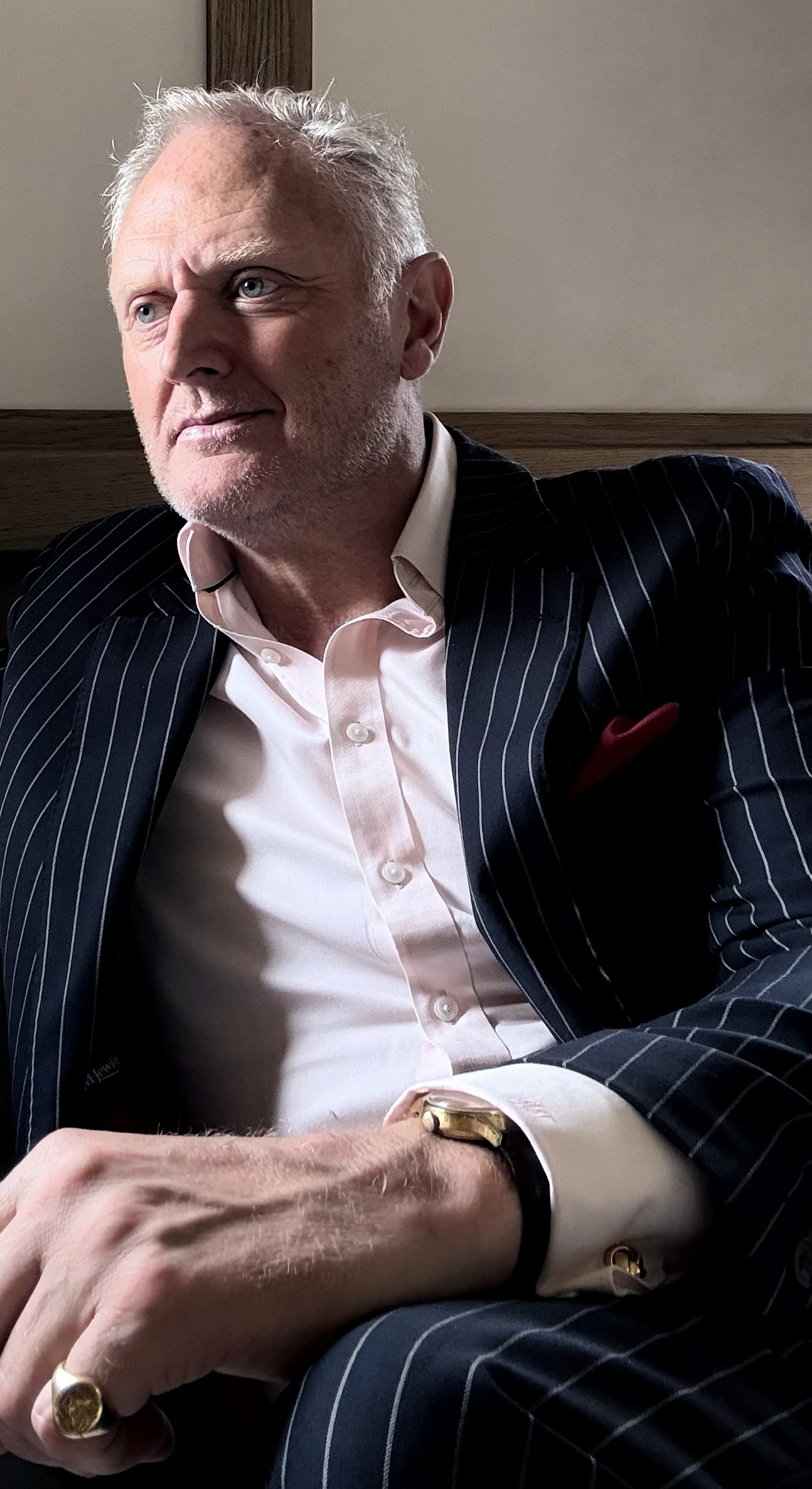
By Jasper Trumble