


Journal
The things you would buy again without hesitation
Perhaps the best measure of a good purchase isn’t what it cost, but whether you’d choose it again
12th October 2026
There is a surprisingly revealing question you can ask about almost anything you own: knowing everything you know now, would you buy it again?
Not whether you still like it. Not whether it was worth the money at the time. Not whether it looks impressive, attracts compliments or carries a sufficiently distinguished brand name to make the purchase feel respectable. Simply whether, if it disappeared tomorrow and you were offered the opportunity to make the same decision again, you would reach for your wallet without a moment’s hesitation.
It is an uncomfortable question because it removes most of the excuses we construct around our possessions. The expensive jacket that has been worn twice suddenly becomes difficult to defend. The watch purchased to celebrate an achievement may still hold sentimental value, but perhaps the design was never quite right. The beautifully photographed leather bag might have proved irritatingly impractical, while the less glamorous one bought years earlier has quietly accompanied you across half of Europe without once demanding attention.
Then there are the purchases that pass the test immediately. The shoes you instinctively choose whenever you need to be comfortable and properly dressed. The chair that has become your favourite place to read. The coat that works with almost everything. The luggage that has survived years of travel and still feels better designed than most of the alternatives. You would buy these things again, not because you have forgotten their imperfections, but because you understand them completely.
This distinction reveals something important about the relationship between price, satisfaction and luxury. We tend to evaluate purchases most intensely before making them, when specifications, reviews, photographs, reputation and anticipation dominate our thinking. Yet the most meaningful assessment may occur months or years later, when the excitement has disappeared and the product has been tested against the far less glamorous demands of everyday life.
A purchase that looks exceptional in a showroom has demonstrated very little. A purchase that remains exceptional after five hundred uses has demonstrated considerably more. And perhaps the highest compliment we can pay to anything we own is not that it was expensive, beautiful or beautifully made, but that we would willingly make the same decision all over again.
1. The Question That Cuts Through Everything
Most purchasing decisions involve an elaborate mixture of rational calculation and emotional persuasion. We compare prices, research alternatives, consider materials and read reviews. We imagine how the object will fit into our lives, how it might improve our appearance or how much pleasure it could provide. Occasionally, we persuade ourselves that an expensive purchase is actually a financially responsible decision, which is an impressive intellectual achievement when the item in question is a fourth leather jacket.
Before purchase, much of this reasoning is hypothetical. We are assessing what we expect the product to do rather than what it has actually done. Marketing thrives in this space because aspiration is easier to influence than experience. A beautiful photograph can suggest comfort, craftsmanship and effortless style, but it cannot establish whether we will still enjoy wearing the product two years later.
The repeat-purchase question changes the evidence. Instead of asking what we hope to receive, it asks what we actually received. Did the object perform as expected? Was it used as frequently as imagined? Did the design remain appealing after the initial excitement faded? Did the quality justify the price? Perhaps most importantly, did ownership make life better in some meaningful way?
This is a more demanding assessment than simply asking whether we are satisfied. People can remain reasonably satisfied with purchases they would never repeat. A product may be adequate without being exceptional. It may work perfectly well while proving unsuitable for the owner’s actual needs. We can also become accustomed to something disappointing and eventually stop thinking about the alternatives.
There is an additional psychological complication. Once we have spent money, we naturally prefer to believe we made a sensible decision. Admitting otherwise requires acknowledging that our judgement may have been imperfect, which is rarely an enjoyable exercise. The more expensive the purchase, the greater the temptation to defend it.
Asking whether we would buy something again helps bypass that defence. It requires us to separate the original decision from the experience that followed. We are no longer trying to justify yesterday’s spending; we are considering tomorrow’s choice. That change of perspective can reveal an extraordinary amount about what we genuinely value.
2. Why Buying Something Feels Better Than Owning It
The anticipation of a purchase can be remarkably pleasurable. Researching an object, comparing alternatives and imagining its arrival all contribute to the excitement. The mind begins incorporating the future possession into an improved version of everyday life. The new coat will transform the wardrobe. The watch will feel appropriate for every occasion. The sneakers will somehow make even an uneventful Wednesday appear more interesting.
Then the object arrives, and reality begins the difficult task of competing with imagination.
Psychologists use the term hedonic adaptation to describe the tendency for emotional responses to changing circumstances to diminish over time. The concept helps explain why the excitement of acquiring something new often fades as it becomes familiar. What initially feels extraordinary gradually becomes part of the normal environment.
This is not necessarily disappointing. Adaptation allows us to function without being permanently distracted by everything we own. Nobody could reasonably spend every morning experiencing the same emotional intensity they felt when collecting a new car. Eventually, even an exceptionally beautiful vehicle becomes the thing parked outside that needs fuel and occasionally makes an expensive noise.
The problem arises when the pleasure of acquisition has been mistaken for the pleasure of ownership. Some purchases are extraordinarily good at generating excitement and considerably less successful at delivering sustained satisfaction. Their principal attraction lies in novelty, anticipation or the symbolic achievement of obtaining them.
Other purchases behave differently. They may generate less initial excitement but provide consistent satisfaction through repeated use. A beautifully fitting pair of shoes might not produce the theatrical thrill of an extravagant impulse purchase, yet it can improve hundreds of ordinary days.
This distinction is central to The Gap Between Price and Value. Price is established at the beginning of ownership, while value is experienced over time. A purchase can be expensive and disappointing, inexpensive and exceptional, or expensive and genuinely worthwhile. The number on the receipt cannot settle the question.
The repeat-purchase test therefore measures something more enduring than excitement. It asks whether the object continued earning its place once the novelty had disappeared.
3. The Purchases We Regret Rarely Look Like Mistakes at First
Regret has an inconvenient habit of arriving late. At the moment of purchase, the decision can appear entirely reasonable. The colour is interesting, the materials are beautiful, the brand is respected and the price, while ambitious, has been explained away through a series of calculations that would probably concern a qualified accountant.
Only afterwards do the complications emerge. The colour works with almost nothing else. The bag is heavier than expected. The jacket requires a particular combination of trousers, shoes and favourable weather. The sneakers look magnificent but never quite feel comfortable enough for a full day. None of these problems necessarily makes the product defective. It may simply have been the wrong choice.
This is one reason buyer’s remorse is more complex than disappointment with quality. A product can fulfil every promise made by its manufacturer and still fail to suit the person who bought it. The mismatch may concern lifestyle, expectations, taste or practical requirements that were not sufficiently considered beforehand.
Regret can also emerge from comparison. We discover another product that appears better suited to our needs, or we begin questioning whether the money could have been spent more effectively. Modern commerce makes this particularly easy because alternatives are permanently available. The purchase is complete, but the research apparently never has to end.
One useful distinction is between regret caused by poor performance and regret caused by unrealistic expectations. The first concerns the product. The second concerns the story we told ourselves before buying it. A beautifully made leather bag cannot transform an owner’s travel habits, however convincingly the advertising suggests otherwise. A luxury sneaker can improve comfort, appearance and personal expression, but it cannot guarantee the lifestyle imagined around it.
This is why considered purchasing often produces greater satisfaction than impulsive acquisition. Understanding what we actually need reduces the gap between expectation and reality. The objective is not to remove emotion from purchasing, which would make luxury rather dull, but to ensure that emotion is attached to qualities we will continue appreciating.
The best purchases tend to survive the disappearance of the original fantasy. They remain desirable when judged against the ordinary life in which they must actually function.
4. The Difference Between Admiring Something and Wanting to Live With It
There are objects we admire enormously but would never genuinely enjoy owning. An extraordinary piece of furniture may be visually compelling while being uncomfortable to sit on. A beautifully designed sports car may be thrilling for an afternoon but irritating as daily transport. An unusual pair of sneakers may look exceptional in a photograph yet feel completely disconnected from the rest of our wardrobe.
Admiration and compatibility are different qualities, although they are easily confused during the excitement of shopping.
This becomes particularly relevant to personal style. We encounter countless examples of excellent design that are not necessarily right for us. A striking colour combination might be beautifully resolved. A dramatic silhouette may demonstrate considerable creative confidence. An elaborate material treatment might showcase exceptional technical skill. None of these qualities guarantees that the object belongs in our lives.
The distinction becomes clearer with experience. Over time, we begin recognising which purchases repeatedly succeed and which merely attract our attention. We notice that certain colours work with almost everything we own, while others require considerable effort. We discover which materials feel natural, which proportions suit us and which products are comfortable enough to use without conscious thought.
This is closely connected to The Luxury of Knowing Exactly What You Like. Mature taste is not simply the ability to recognise beautiful things. It is the ability to distinguish between beauty in the abstract and beauty that genuinely suits us.
The repeat-purchase question is particularly useful here because it tests compatibility rather than admiration. Would you buy the striking jacket again, knowing how rarely you wear it? Would you choose the unusual sneaker design again, knowing how difficult it is to style? Or would you select the quieter, more versatile alternative that has become an indispensable part of your wardrobe?
The answer may not be particularly adventurous, but it is often revealing. Good personal style is not a competition to demonstrate the widest possible range of aesthetic interests. It is the gradual discovery of what consistently makes us feel comfortable, confident and appropriately dressed.
Sometimes the most sophisticated choice is the one we have already learned to trust.
5. Familiarity Is an Underrated Form of Satisfaction
There is a tendency to associate satisfaction with excitement, but some of the most rewarding possessions produce almost no excitement at all. They simply work. We reach for them without hesitation, use them without difficulty and return to them without feeling that something better must surely be available.
This is the quiet satisfaction of familiarity.
A favourite pair of leather sneakers illustrates the principle particularly well. After repeated wear, the owner understands their fit, flexibility and versatility. They know which trousers work with them, how they feel after several hours and whether they are appropriate for the day ahead. The decision to wear them becomes effortless because uncertainty has been removed.
That familiarity is not necessarily evidence that the product has become less interesting. It may indicate that the product has become more useful. The relationship has moved beyond evaluation into trust.
This is explored in The Luxury of Familiarity: Why We Wear the Same Sneakers Again and Again. Repeatedly choosing the same possession can represent a successful match between design and individual preference rather than a reluctance to experiment.
Familiarity also creates emotional value. Objects become associated with routines, places and experiences. A bag used for years of travel may become preferable to a technically superior replacement because its owner knows exactly how it behaves. A watch may become so natural on the wrist that its absence feels more noticeable than its presence.
There is a potential limitation, of course. Familiarity can encourage us to retain things that no longer serve us well. Habit and genuine satisfaction are not identical. A product may remain in use simply because replacing it requires effort, research or expense.
The repeat-purchase question helps distinguish the two. If offered a fresh choice, would we still select the familiar object? If the answer is yes, familiarity has probably developed into genuine preference. If the answer is no, perhaps we are maintaining a habit rather than enjoying a possession.
The distinction matters because the best form of loyalty is voluntary. We continue choosing something not because we cannot imagine alternatives, but because experience has shown us that the alternatives offer little meaningful improvement.
6. The Best Purchases Become Better Value Every Time You Use Them
Price has a peculiar influence on our perception of quality. An expensive purchase can feel important simply because it required a significant financial commitment. We expect more from it, examine it more carefully and may even treat it with greater respect. Yet the amount spent tells us surprisingly little about how much satisfaction the object will eventually provide.
Consider two purchases. The first is an expensive jacket bought for a special occasion, admired enormously and subsequently worn three times. The second is a beautifully made pair of leather sneakers that becomes part of the owner’s regular wardrobe, accompanying them through work, travel, weekends and countless ordinary days. Both may have been worthwhile, but their contributions to everyday life are fundamentally different.
Cost per wear offers one way of examining this distinction. A £425 pair of sneakers worn 250 times represents a purchase cost of £1.70 per wear, before maintenance or other ownership costs. Worn 500 times, that figure falls to 85 pence. These calculations cannot measure emotional satisfaction, and they do not automatically make an expensive purchase sensible, but they demonstrate how repeated use changes the economics of ownership.
The broader argument is explored in The Cost-Per-Wear Fallacy: Why Expensive Sneakers Are Often the Smartest Buy. The central issue is not simply whether a product costs more initially, but whether its quality, comfort and versatility encourage enough use to justify the investment.
There is also a psychological dimension that arithmetic cannot capture. A possession used frequently can become increasingly valuable through familiarity. We learn to appreciate details that were barely noticed at purchase. The leather becomes more comfortable, the design continues to feel appropriate and the object acquires personal significance through repeated use.
This does not mean that frequent use automatically proves quality. An inexpensive object can be used constantly because it is convenient, while an exceptional object may be reserved for particular occasions. Nor should every purchase be reduced to a financial calculation. A beautifully made evening jacket might provide enormous pleasure despite being worn relatively infrequently.
Nevertheless, the repeat-purchase test remains useful because it combines these considerations into one judgement. Knowing how often you used the product, how well it performed and how much pleasure it provided, would you spend the money again? If the answer is an immediate yes, the purchase has achieved something considerably more meaningful than merely appearing good value on paper.
7. Why the Best Luxury Rarely Needs Replacing
Luxury is often presented as a continual progression towards something better. New collections arrive, materials are introduced, designs are refined and established products are replaced by supposedly improved versions. This creates a perpetual sense that the next purchase might finally deliver the ideal combination of quality, beauty and personal satisfaction.
Yet one of the most interesting outcomes of buying exceptionally well is that the desire to replace something can diminish.
A beautifully made watch may remain satisfying despite the arrival of technically superior models. A leather bag can continue performing its function while newer designs come and go. A pair of sneakers with excellent proportions, carefully selected materials and a comfortable fit may remain preferable to alternatives introduced years later.
The owner is no longer searching for an improvement because the existing object has already met the requirements that matter.
This is not resistance to progress. Genuine improvements in comfort, construction or functionality can justify replacement. The distinction is between meaningful advancement and novelty presented as advancement. A different colour, revised silhouette or fashionable detail may make a new product interesting without necessarily making it better for the person who already owns something they love.
This is where design restraint becomes particularly valuable. Products dependent upon temporary fashion signals can lose their appeal as those signals change. More considered designs have the potential to remain aesthetically relevant because their appeal rests on proportion, material quality and coherence rather than novelty alone.
The philosophy behind The Anti-Collection: Why One Pair Is Enough considers the possibility that owning fewer, more carefully chosen things can provide greater satisfaction than continually accumulating alternatives. The repeat-purchase question offers a complementary perspective: rather than asking how many things we need, it asks which things have genuinely earned their place.
A product that remains desirable after years of ownership has passed a test that no marketing campaign can replicate. It has survived familiarity, changing preferences and the arrival of countless alternatives. It may no longer generate the excitement it did when new, but it offers something potentially more valuable: the confidence that replacing it would not necessarily improve anything.
There is a quiet luxury in reaching that conclusion. It means the search can stop, at least for a while, because the object we already own continues to be the one we would choose.
8. Why Personalisation Can Make a Purchase More Satisfying
One of the reasons purchases disappoint is that the product we buy represents a compromise between our preferences and what happens to be available. We may love the silhouette but dislike the colour. The material may be excellent, but the detailing feels excessive. The design may be almost perfect, apart from one element we would have chosen differently.
These compromises are often minor, yet they can become more noticeable through ownership. What initially seemed unimportant may eventually become the detail that prevents a product from feeling entirely right.
Personalisation offers a way of addressing this problem by allowing customers to make more of the decisions themselves. Instead of selecting the closest available match, they can choose combinations that reflect their actual preferences. This is particularly valuable when the product is intended for frequent use, because even small improvements in personal suitability can contribute to long-term satisfaction.
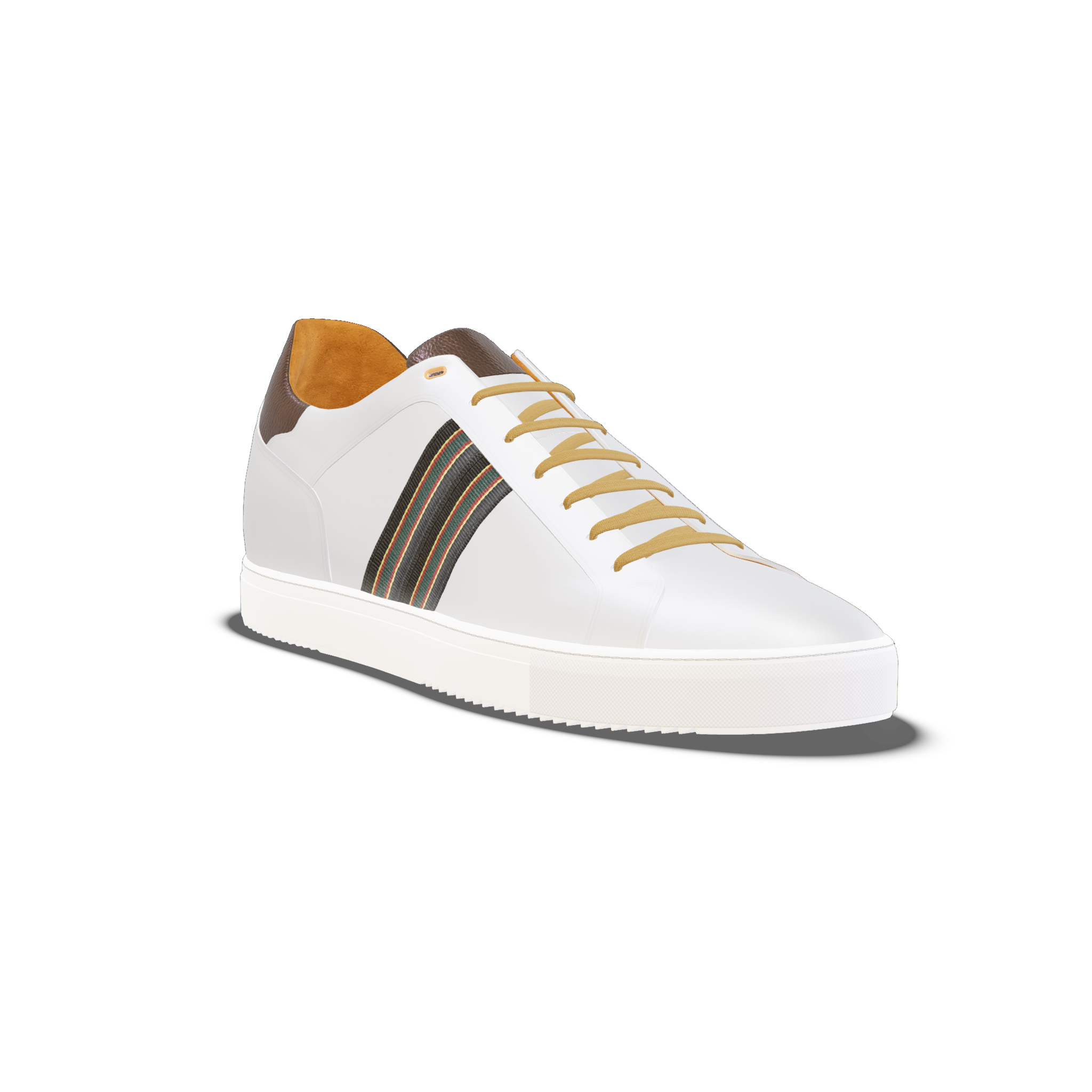
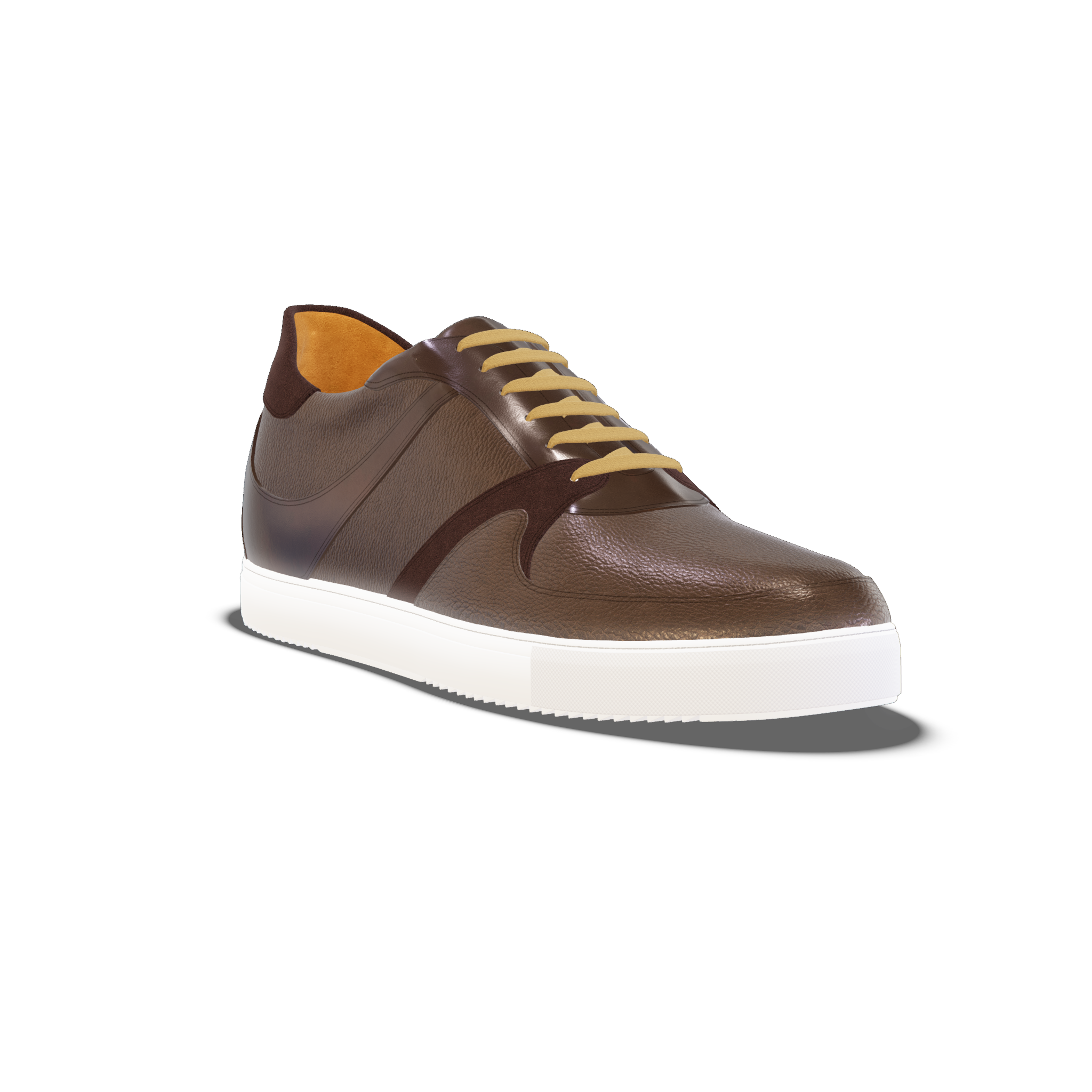
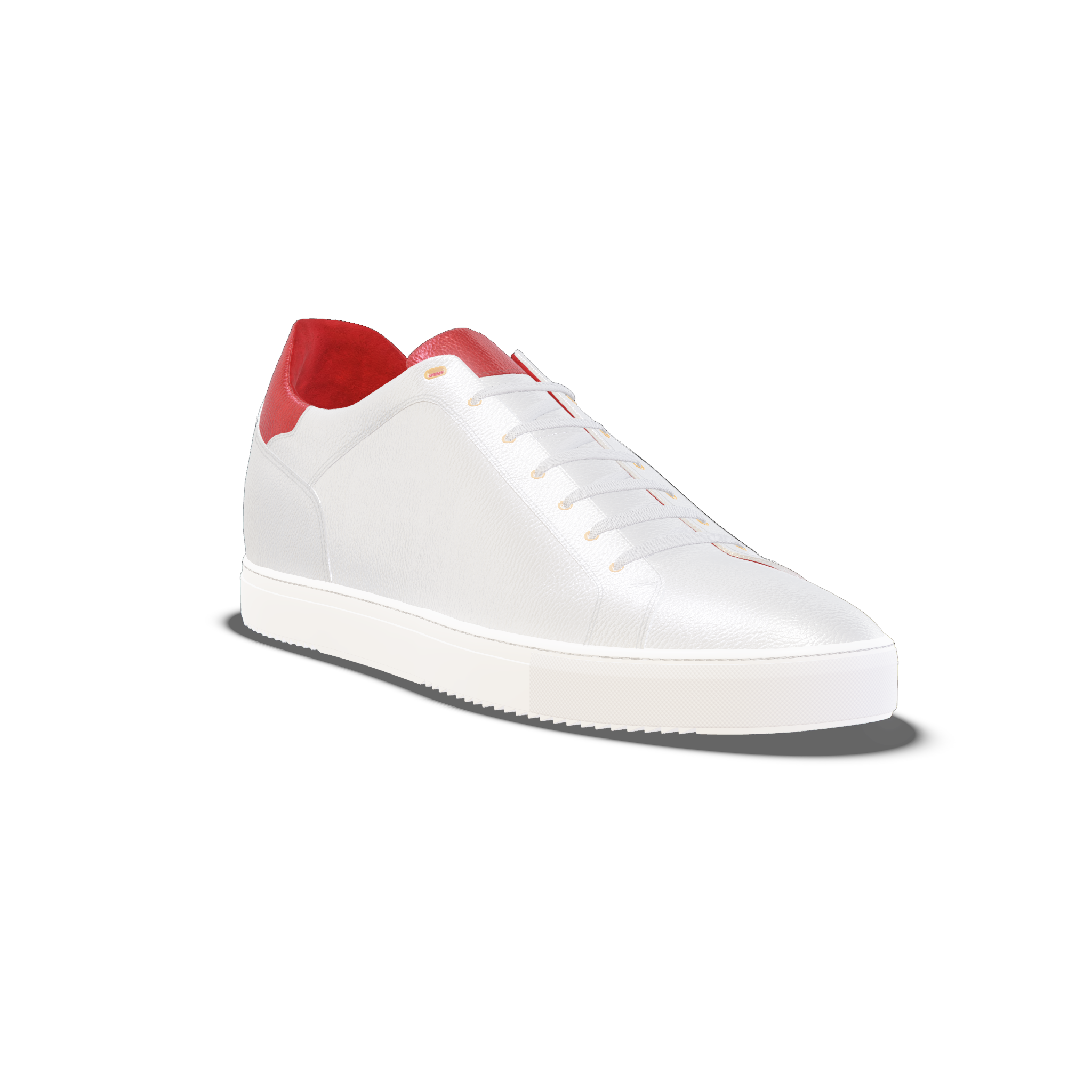
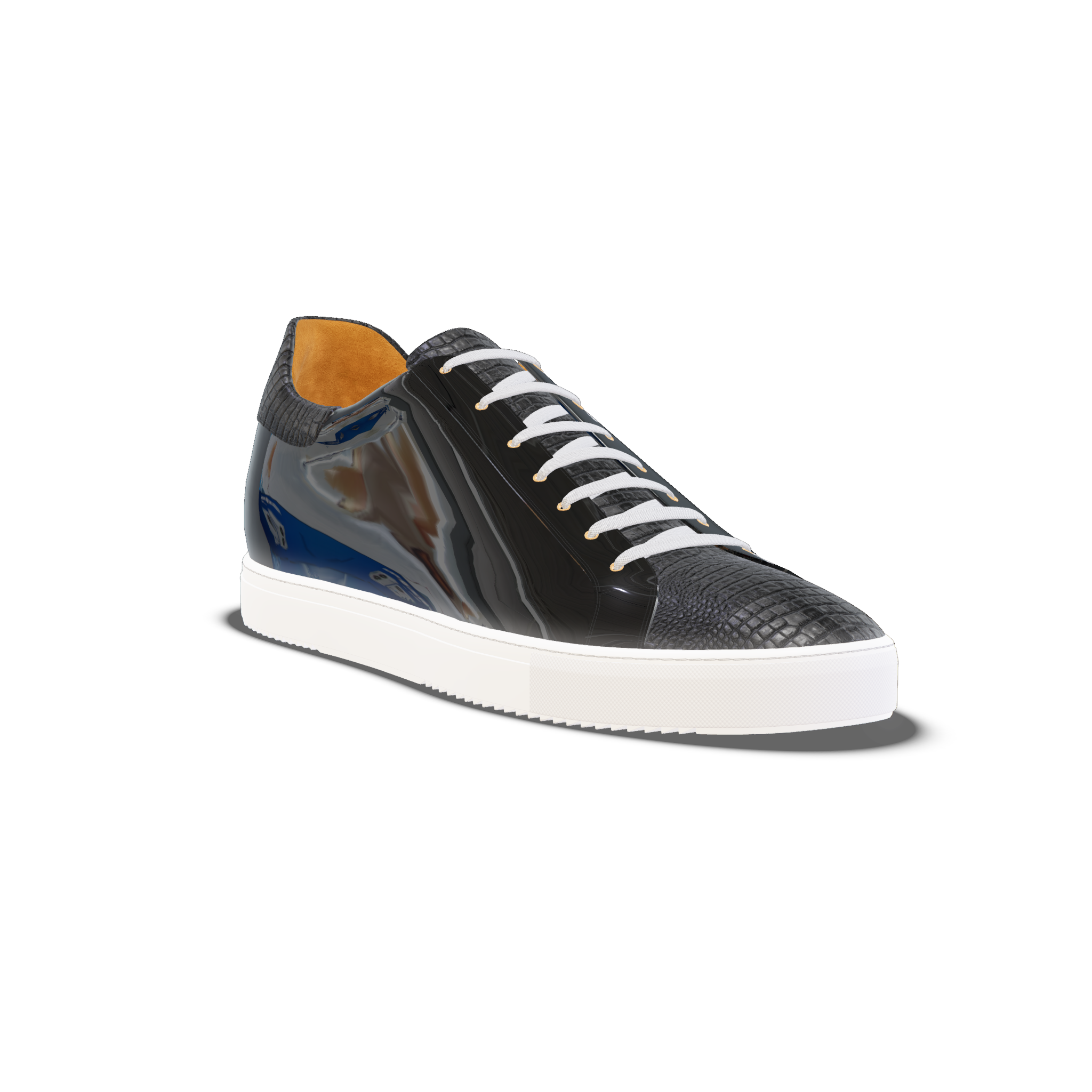
At Jasperosso, the three dimensional design studio allows customers to select leather textures, colours, laces, eyelets and lining before their sneakers are handcrafted in Le Marche, Italy. The objective is not necessarily to produce the most unusual design possible. It is to create something the customer genuinely wants to wear, whether that involves restrained tonal combinations or more distinctive contrasts.
There is an important psychological advantage in this process. A customer who has carefully considered the available choices may develop a clearer understanding of why they selected the finished design. The product represents an informed preference rather than an approximate match with somebody else’s creative decisions.
However, personalisation is not a guarantee of satisfaction. Too many choices can become overwhelming, and the ability to create something distinctive does not necessarily mean the result will suit the owner’s wardrobe or lifestyle. A spectacular combination of colours and textures may be enjoyable to design but considerably less practical to wear.
The most successful personalisation therefore requires judgement. Customers benefit from considering how their choices will feel after the novelty has disappeared. Will the colour remain appealing? Will the materials work with existing clothing? Is the design versatile enough for the intended use?
The distinction matters because the best personalised product is not necessarily the one that looks most individual on the day it arrives. It is the one that continues feeling right long afterwards. When a customer can answer the repeat-purchase question with confidence, personalisation has achieved something more meaningful than visual uniqueness.
9. Your Favourite Things Are Trying to Tell You Something
There is a useful exercise that requires no shopping, research or expenditure. Open your wardrobe, look around your home and identify the possessions you would genuinely buy again. Not the ones you feel obliged to defend because they were expensive, and not those you admire primarily because of their brand or reputation. Concentrate on the things that have repeatedly justified their place in your life.
Patterns will probably emerge.
Perhaps the clothes you wear most frequently share a similar palette. Your favourite shoes may have comparable proportions despite coming from different makers. You may consistently prefer natural materials, restrained detailing or particular combinations of texture and colour. Certain possessions might reveal that comfort matters more to you than you previously acknowledged, while others demonstrate a preference for durability, versatility or simplicity.
These patterns are valuable because they reveal what might be called behavioural taste: the preferences demonstrated by what we actually use rather than what we imagine ourselves enjoying.
There can be a considerable difference between the two. We might admire adventurous fashion while repeatedly choosing understated clothing. We may imagine ourselves travelling with an elaborate collection of luggage while consistently relying on one dependable bag. We may enjoy browsing striking sneaker designs yet instinctively wear the same restrained pair whenever the decision matters.
None of this suggests that experimentation is pointless. Trying unfamiliar things helps develop taste and occasionally produces wonderful discoveries. But our repeated choices provide evidence that aspiration alone cannot supply.
This connects with The Objects That Quietly Define Us, where personal identity emerges partly through the possessions we continue choosing. Our favourites become signatures not because they were deliberately selected to represent us, but because repeated use gradually establishes the connection.
The exercise can also improve future purchasing decisions. Instead of asking whether a new product is impressive, fashionable or particularly desirable, we can compare it with the characteristics of things we already know we love. Does it share the qualities that made previous purchases successful? Will it fit naturally into existing routines? Are we attracted to the object itself, or merely to the excitement of acquiring something different?
This approach does not remove emotion from luxury. It makes emotion better informed. Rather than suppressing desire, we learn to distinguish between temporary attraction and preferences that have repeatedly delivered satisfaction.
And perhaps that is one of the most useful things our possessions can teach us. The evidence of our actual taste is already there, provided we pay attention to what we keep choosing.
10. Would You Still Choose It Knowing Everything You Know Now?
Imagine being offered the opportunity to revisit a purchase with complete knowledge of everything that followed. You know how the product performed, how frequently it was used, whether it remained comfortable and how well it suited your life. You remember the pleasure it provided, the frustrations it caused and whether the quality justified the price.
Would you make the same decision?
For some possessions, the answer would be immediate. You might even wonder why you spent so long considering the original purchase. Experience has removed the uncertainty, and the product has demonstrated its value through repeated use.
For others, the answer would be less comfortable. Perhaps you would choose a different colour, a more versatile design or a product with better construction. Perhaps you would spend more to obtain something that lasted longer, or less because the additional expense provided little practical benefit. In some cases, you might decide not to buy anything at all.
This is where the repeat-purchase question becomes more than an assessment of past spending. It becomes a method of improving future decisions.
It encourages us to consider the entire experience of ownership rather than concentrating on the moment of acquisition. It asks whether a product will continue satisfying us when the novelty disappears, whether it genuinely suits our preferences and whether the quality will remain meaningful through repeated use.
For luxury brands, the implications are substantial. A successful sale demonstrates that a customer was persuaded to purchase. A customer who would willingly buy the same product again provides stronger evidence that the experience of ownership met their expectations.
This is particularly important for businesses built around craftsmanship, quality materials and personalisation. Those qualities should not merely justify a premium price at checkout. They should contribute to satisfaction months and years later, when the customer has enough experience to judge whether the original promises were fulfilled.
The strongest luxury products therefore have to succeed twice. First, they must be desirable enough to purchase. Then they must prove themselves worthwhile enough that the owner would make the same choice again.
The second achievement is arguably the more important because it cannot be manufactured through presentation alone. It depends upon the product’s actual performance, its suitability for the individual and the relationship that develops through ownership.
A beautiful photograph can create desire. An exceptional product must sustain it.
Conclusion: The Best Purchase Is the One You Would Make Again
We devote enormous attention to the decisions that precede a purchase. We compare alternatives, examine prices, consider specifications and imagine how a new possession might improve our lives. The process can be enjoyable, particularly when choosing something beautifully designed or individually made.
Yet the most revealing assessment happens afterwards, when anticipation has disappeared and the product has become part of everyday life.
That is when we discover whether the materials were genuinely exceptional, whether the design suited us, whether the comfort lasted and whether the object justified its place among our possessions. We learn which details mattered and which were merely attractive during the excitement of shopping. We discover whether the purchase delivered lasting satisfaction or simply provided a brief interruption to the desire for something new.
The things we would buy again without hesitation have usually passed these tests. They may not be perfect, and they may no longer be particularly exciting in the conventional sense. But they have become dependable, familiar and personally valuable. Their quality has been demonstrated through use rather than promised through presentation.
This is why the repeat-purchase question deserves a place in any serious discussion of modern luxury. It shifts attention away from status, novelty and the original transaction towards the experience of ownership. It recognises that expensive does not automatically mean worthwhile, and that satisfaction cannot be established by price alone.
For Jasperosso, the philosophy is straightforward. A pair of custom-made Italian leather sneakers should be beautiful enough to excite its owner when it arrives, but its real success depends upon what happens afterwards. The materials should reward use, the design should remain appealing and the combination of craftsmanship and personal choice should encourage the customer to keep reaching for the same pair.
Ultimately, the objective is not merely to create something somebody wants to buy. It is to create something they remain pleased to have bought.
Perhaps that is the most useful definition of a successful luxury purchase. Not the object that generated the greatest excitement, attracted the most attention or required the largest financial commitment, but the one that continues delivering satisfaction long after those considerations have faded.
The watch you would choose again. The bag you would replace with precisely the same model. The jacket you would happily commission a second time. The sneakers you would design in exactly the same combination because experience has confirmed that every decision was right.
These are the purchases that tell us something meaningful about quality, taste and value. They demonstrate that the original promise was fulfilled, that ownership justified expectation and that familiarity strengthened rather than diminished satisfaction.
And perhaps the greatest luxury is reaching the point where, offered every alternative available, you discover that you would still choose exactly what you already have.
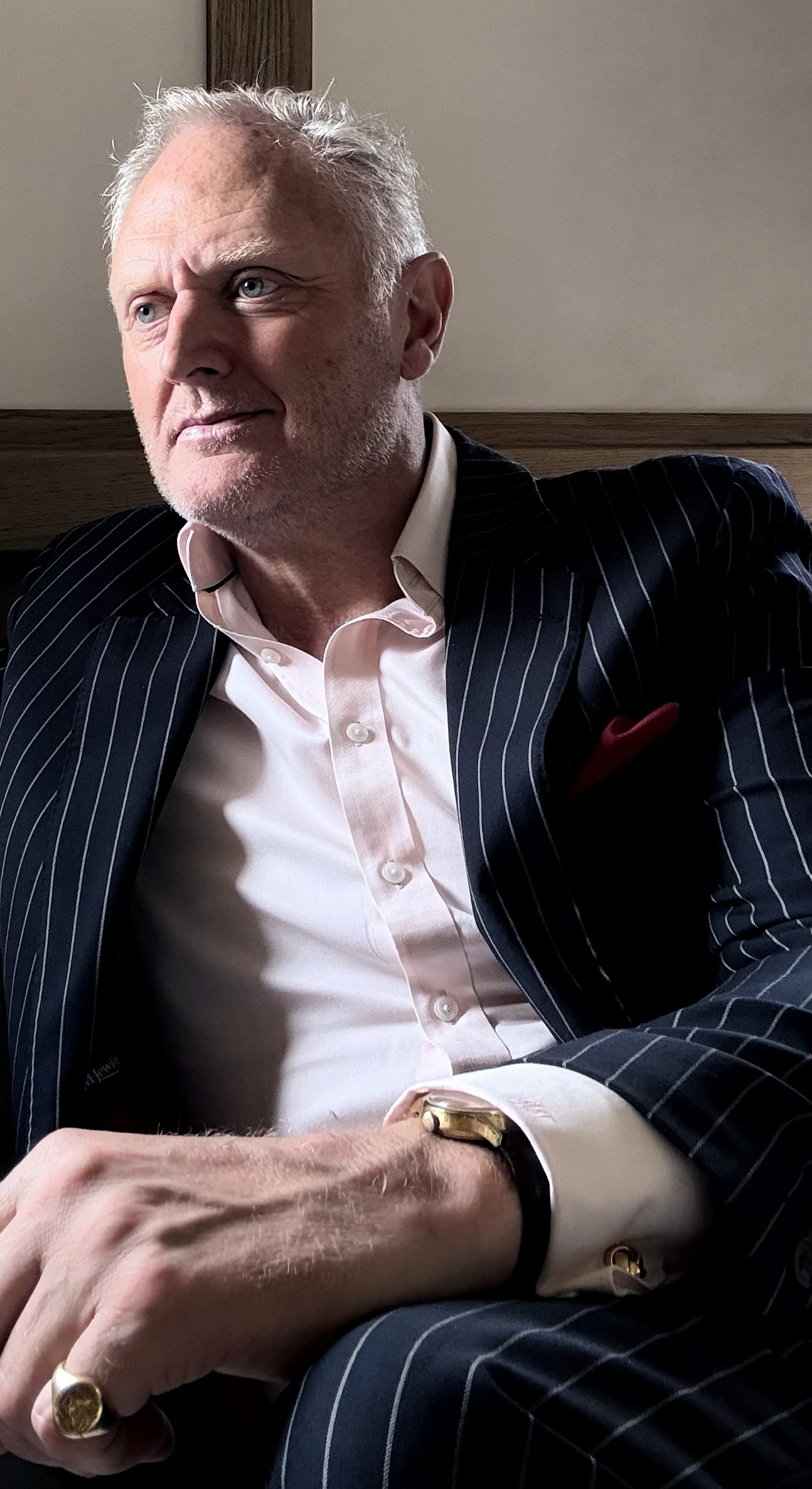
By Jasper Trumble