


Journal
Designed to be lived in
Why the best luxury becomes better when you stop protecting it
21st September 2026
There is a slightly strange thing we do when we buy something beautiful: we immediately begin trying to prevent anything from happening to it.
The new watch is manoeuvred carefully past doorframes. The leather bag is positioned where nobody can put a coffee near it. The good jacket remains in the wardrobe because today’s weather looks vaguely threatening. A pristine pair of leather sneakers encounters its first questionable pavement and suddenly the wearer is calculating alternative routes with the intensity of an expedition planner.
For a while, this is understandable. Newness is seductive. A beautiful object arrives in a state that feels complete: untouched leather, perfect stitching, immaculate surfaces, no history and absolutely no evidence that a human being has yet interfered with it.
But perhaps that is not the finished state at all.
Perhaps it is merely the beginning.
There is another way to think about luxury in which perfection on the day of purchase matters less than what happens during the next five, ten or twenty years. Under this definition, the best products are not designed simply to withstand life. They are designed to participate in it. They become softer, more comfortable, more familiar and more individual precisely because they have been used.
This is subtly different from the argument explored in Why Real Luxury Rarely Looks New. That is principally a story about ageing: why wear, patina and imperfection can make exceptional materials more interesting. Designed to Be Lived In is about the relationship that produces those changes. It is about what happens when we stop behaving like temporary custodians of a showroom object and start behaving like owners.
Because a beautiful object that spends its life being protected from life has missed rather a lot of the point.
1. The Trouble With Keeping Beautiful Things Beautiful
The first mark is always the worst.
It might be a faint crease across new leather, a scratch on a watch clasp or the almost imperceptible scuff on a pair of sneakers that nobody else could possibly see without first being shown where to look. Objectively, very little has happened. Emotionally, civilisation has briefly collapsed.
Then something curious occurs.
Another mark appears. Then another. The leather begins flexing naturally. The sole acquires evidence of pavements. The bag develops a softened corner. The watch gains a second scratch sufficiently close to the first that neither now seems quite as catastrophic.
Eventually, the anxiety disappears.
This transition matters because pristine condition can create distance between an owner and an object. When maintaining perfection becomes the priority, the owner starts serving the product. We modify our behaviour around it. We decide not to wear it, not to take it, not to put it down there and certainly not to expose it to weather.
The object may remain beautiful, but it is contributing surprisingly little to our lives.
Good design should reverse that relationship. A beautifully made chair is supposed to be sat in. A leather weekender should travel. A watch should spend more time on a wrist than inside its box. And sneakers, regardless of how beautifully they have been made, ultimately belong on feet.
The moment we accept this, luxury becomes considerably more enjoyable. We stop evaluating the product against the memory of how it looked when new and begin judging it by how well it is accompanying us.
That shift from preservation to participation is where ownership really begins.
2. The Best Materials Don’t Stay the Same
There are materials whose ideal state is essentially static. We generally do not celebrate the way plastic yellows or synthetic foam slowly disintegrates. Their deterioration rarely produces sentimental conversations about character.
Natural materials behave differently.
Leather is especially interesting because it responds visibly and physically to use. It bends where the body bends. It softens through movement. Its surface can acquire greater tonal complexity through handling, care and exposure. Grain becomes more expressive and the material gradually loses the slight stiffness associated with newness.
This is one reason Why Leather Still Wins (Despite Everything) remains relevant in an era overflowing with technologically sophisticated alternatives. Leather does not simply tolerate ownership; good leather records it.
That distinction is fundamental.
Patina is sometimes discussed as though it were a decorative effect. It isn’t. Genuine patina is the consequence of interaction between material, environment, time and owner. Two people can begin with similar leather products and eventually produce noticeably different results because they use them differently.
Footwear makes this especially visible. Creasing reflects movement. The upper begins adapting to the foot. Areas exposed to repeated contact change subtly. Proper cleaning and conditioning influence how the leather develops. Even the owner’s gait contributes to what the object eventually becomes.
This means the pristine product is not necessarily its aesthetic peak.
For some materials, newness is simply the blank page.
The interesting part comes afterwards.
3. Ownership Begins When You Stop Being Afraid of the First Mark
There is a psychological difference between buying something and owning it.
Purchase is instantaneous. Ownership takes longer.
During the first few days with an expensive object, we can behave more like curators than owners. Everything is observed. Every surface inspected. The first outing feels slightly ceremonial. We remain acutely aware of the object’s presence.
Gradually, that awareness fades.
This is not declining appreciation. It can indicate the opposite.
The product begins fitting naturally into life. The bag is picked up without thought. The watch goes on automatically. The sneakers are chosen because they work with what we are wearing and we already know they will be comfortable. The object stops feeling like an acquisition and starts feeling like ours.
This transition resembles the relationship explored in Luxury Is What You Stop Thinking About. Exceptional products often become mentally quieter through use. Their fit, reliability and familiarity remove friction rather than demanding continuous attention.
The first mark can accelerate that transition because perfection is no longer available to defend.
Paradoxically, this can make an object more enjoyable.
Once a pair of sneakers has been properly worn, the owner becomes less concerned about preserving the abstract idea of the product and more interested in actually using it. The question changes from “How do I keep these perfect?” to “Where am I wearing them tomorrow?”
That is a healthier relationship with almost anything designed to be used.
Luxury should not make us nervous.
It should make ordinary life better.
4. Comfort Is Something Ownership Creates
Comfort is often treated as a specification.
A product is either comfortable or it isn’t. Yet some of the most satisfying forms of comfort develop through familiarity rather than existing entirely on day one.
Consider a favourite leather chair. The physical design obviously matters from the beginning, but years of use alter the experience. The leather softens. The owner knows precisely where to sit. The object becomes familiar not only visually but physically.
Clothing behaves similarly. A favourite jacket becomes easier to wear after its initial stiffness disappears. Denim adapts to the body. A leather bag’s handles soften. Footwear settles around the movement of the person wearing it.
This is particularly relevant to shoes because feet are dynamic. Good footwear has to accommodate repeated flexing, pressure and movement while retaining its underlying structure. As quality leather responds, the relationship between object and wearer becomes more individual.
The psychology matters too.
Familiarity removes uncertainty.
You know how the sneakers feel after six hours. You know which trousers work with them. You know whether they can handle a long day involving trains, airports or an unexpectedly ambitious decision to walk across a city. There is no experiment left to conduct.
That confidence is part of comfort.
The idea connects with The Ritual of Putting Your Shoes On, because footwear occupies an unusual place in our daily routines. It is one of the final decisions we make before entering the outside world. When the product has become familiar enough, that decision almost disappears.
The best comfort therefore has two dimensions.
One is physical.
The other is certainty.
Both improve through living with something.
5. Everyday Use Is the Highest Compliment
Luxury traditionally has a complicated relationship with frequency.
We have “best” china, “good” shoes, special bottles of wine and clothes waiting patiently for occasions worthy of them. Saving something can feel like a mark of respect.
Occasionally, of course, it makes sense. Nobody is suggesting gardening in black tie simply to improve one’s cost per wear.
But there is something slightly tragic about objects that spend most of their lives waiting to be appreciated.
The things we truly love tend to escape this fate.
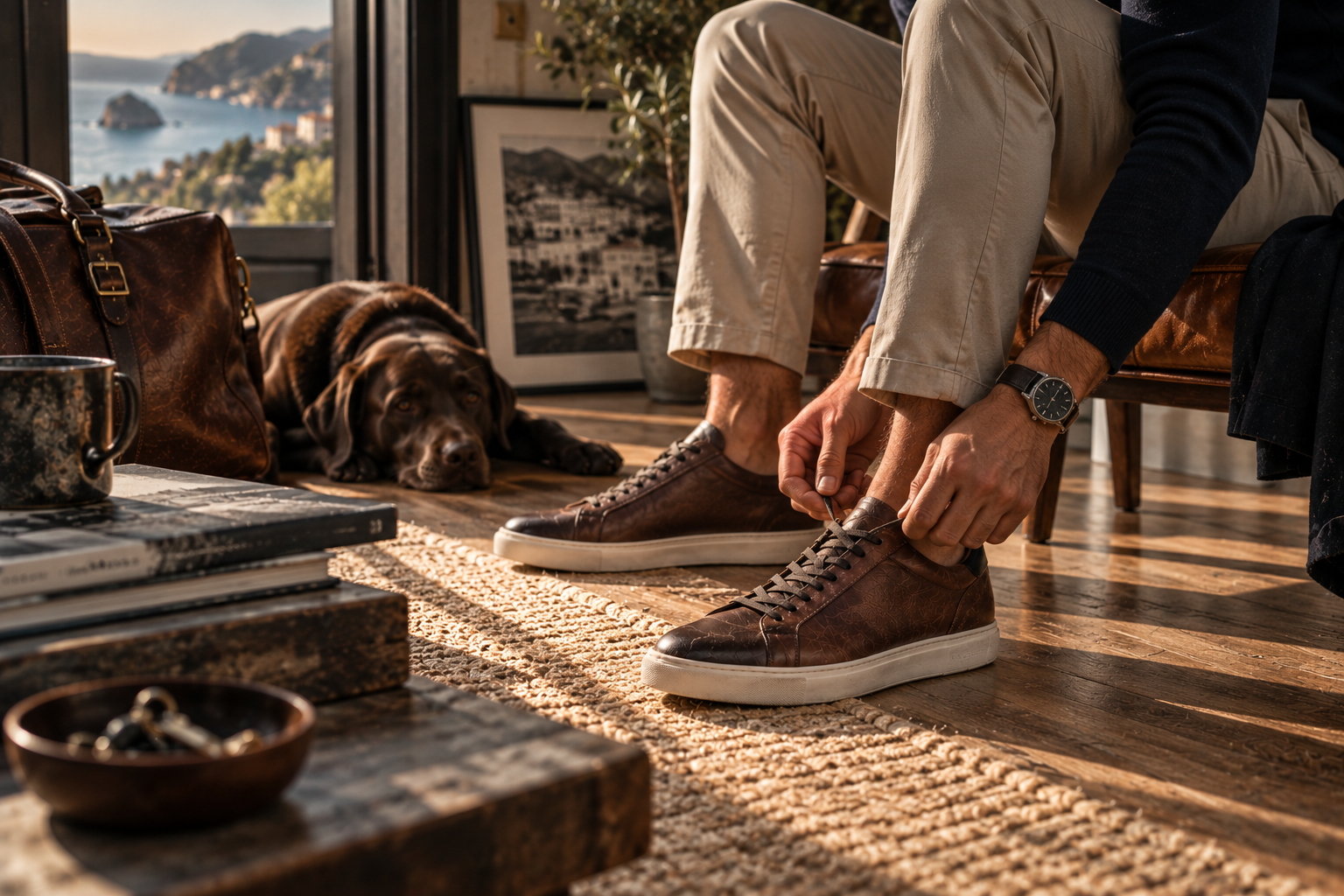
We reach for them repeatedly.
This is why The Luxury of Familiarity: Why We Wear the Same Sneakers Again and Again is really a story about success rather than repetition. When one pair continually wins against the alternatives in the wardrobe, the product has achieved something far more meaningful than novelty.
It has become dependable.
Repeated use is perhaps the highest compliment an owner can give a designer or maker. It means the object works outside the controlled conditions of photography, packaging and marketing. It works on Monday morning, at dinner on Thursday, through an airport on Friday and again the following week.
This matters particularly for contemporary luxury because our lifestyles have become less compartmentalised. The distinction between formal and casual dress has softened. Travel, work and leisure overlap. A product capable of moving naturally between these environments earns its place through versatility rather than ceremony.
A beautifully made sneaker should therefore not need an occasion.
It should become part of one.
6. Patina Is Collaboration Between Maker and Owner
A maker determines how an object begins.
The owner determines much of what happens next.
That makes patina unusually interesting because it is one of the few aesthetic characteristics neither party can create independently. The maker chooses the leather, construction, finish and colour. The owner supplies movement, environment, maintenance and time.
The finished result is collaborative.
This is particularly appropriate for custom-made products. Personalisation normally occurs before manufacture: the customer chooses materials, colours and details, and the maker turns those choices into a physical object. But there is arguably a second stage of personalisation that begins only after delivery. Use.
A pair of personalised sneakers may leave the workshop reflecting someone’s taste. Years later, it also reflects their ownership.
The distinction is important. Selecting an unusual leather combination can make a product unique from day one. Wearing it repeatedly makes it personal in a deeper sense.
No configurator can reproduce the exact crease pattern created by thousands of steps.
No craftsman can pre-install the memory of where the shoes have travelled.
No artificial ageing process can replicate years of genuine familiarity.
This is why the owner ultimately completes the object.
Craftsmanship provides the potential.
Life supplies the final finish.
7. A Product Should Fit Into Your Life, Not the Other Way Around
Luxury marketing has traditionally excelled at creating imaginary lives around products.
Buy the car and apparently Alpine roads will empty in anticipation of your arrival. Buy the watch and an architecturally remarkable apartment may follow. Buy the luggage and every future journey appears likely to involve Lake Como rather than Terminal 2 at six in the morning.
Real ownership is less cinematic.
It is also more interesting.
A product earns its place by functioning within the life someone actually has rather than the lifestyle imagined around its launch campaign. This is where the philosophy behind The Luxury of Knowing Exactly What You Like becomes important. Mature taste is partly the ability to distinguish between something we admire and something we genuinely want to live with.
Those are not always the same thing.
A spectacular jacket may be beautiful yet never leave the wardrobe. An unusual piece of furniture may be wonderful to look at and irritating to use. A dramatic pair of sneakers may attract attention but require an outfit so specific that wearing them becomes a logistical operation.
Good long-term design reduces these conditions.
It integrates.
For Jasperosso, this is one reason personalisation should not mean creating the loudest combination available simply because the option exists. The more interesting objective is creating something sufficiently individual to feel personal while remaining sufficiently versatile to become part of everyday life.
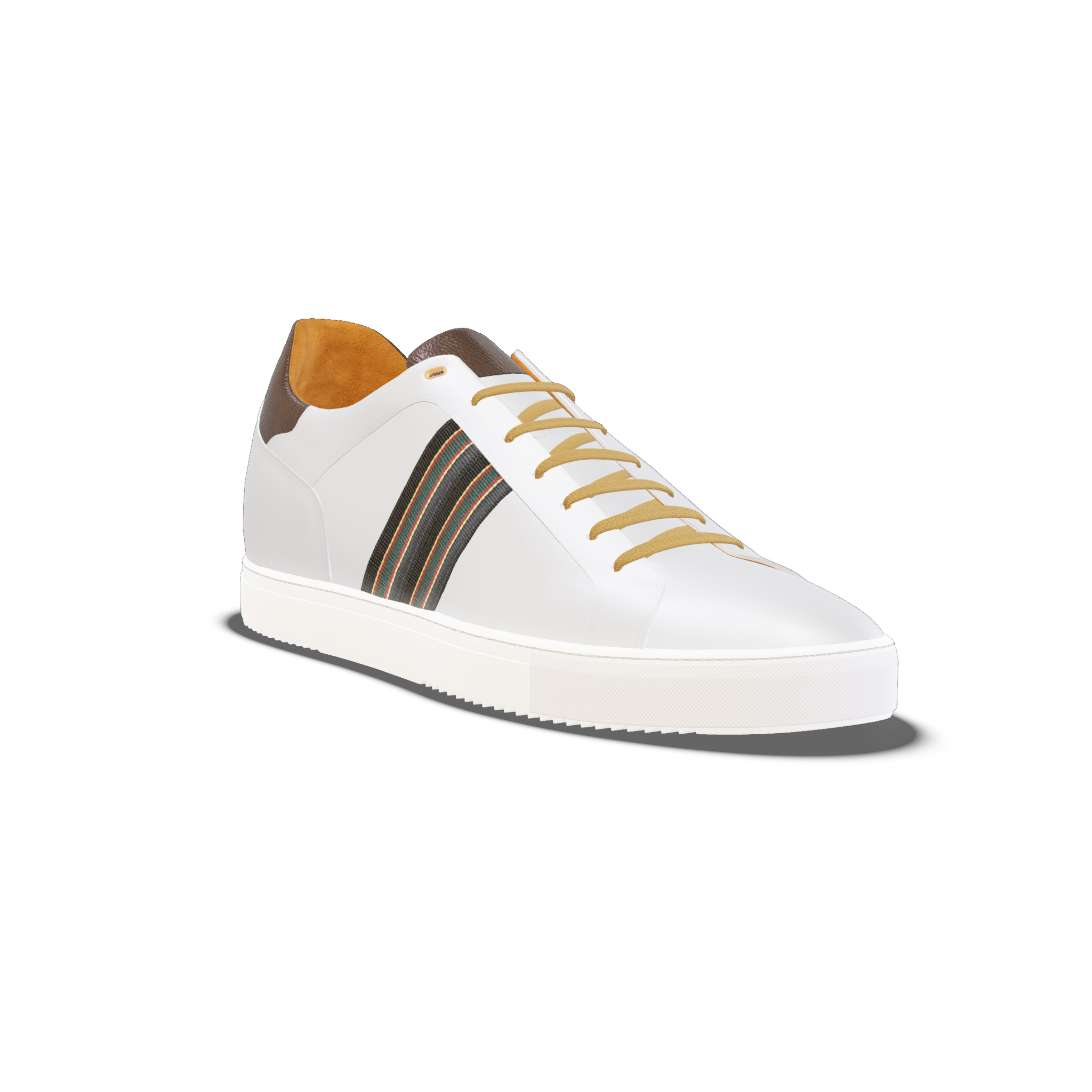
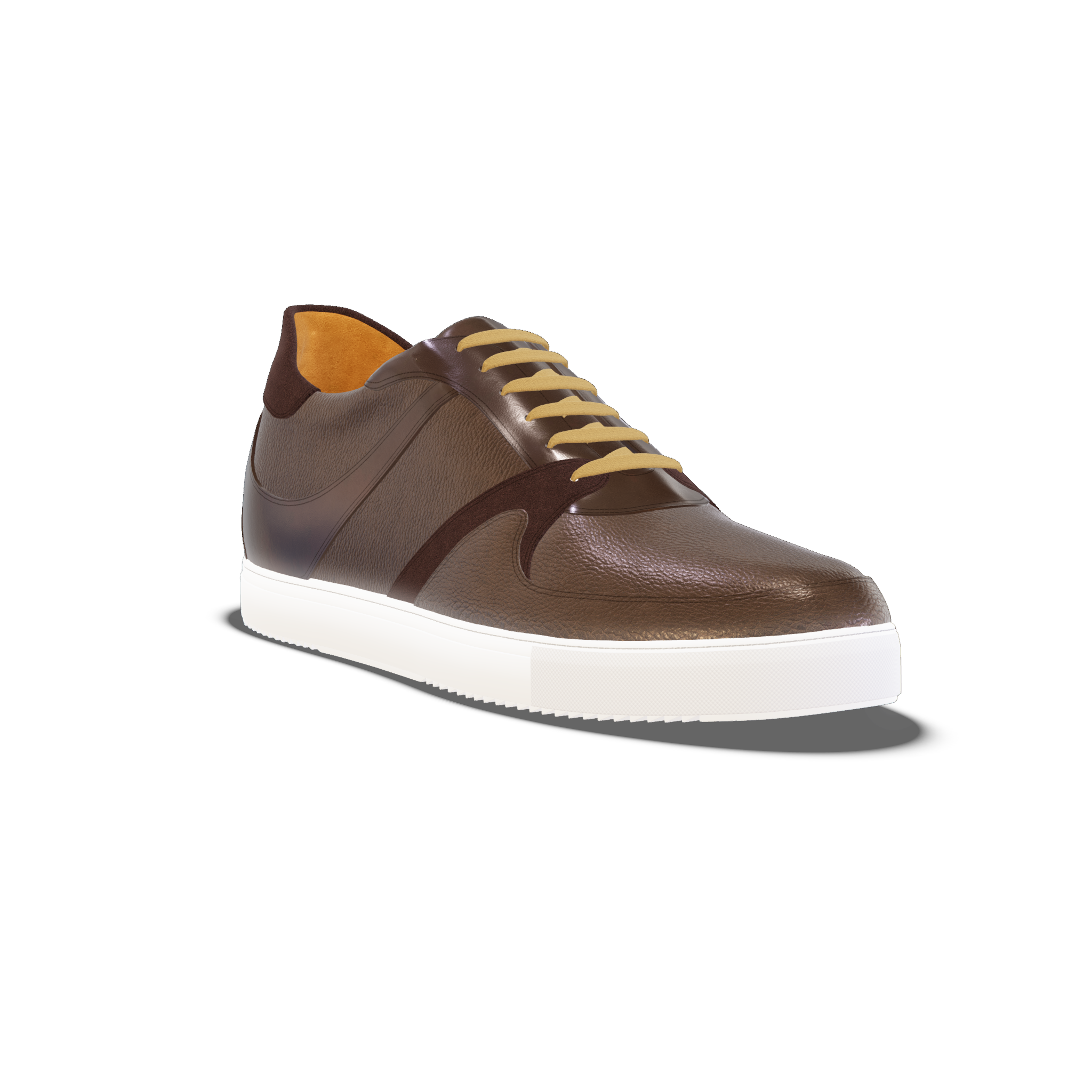
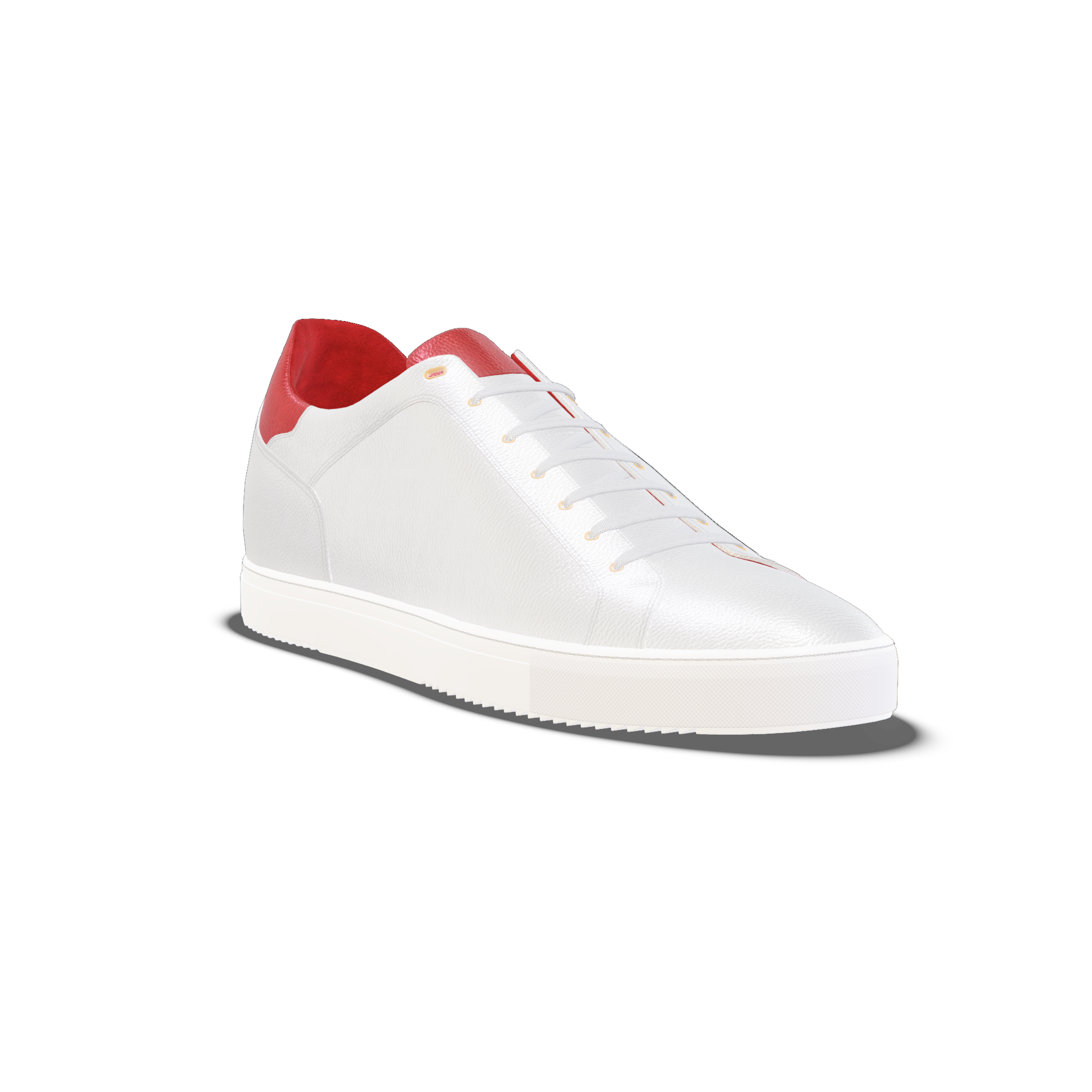
If a customer chooses navy pebble-grained calf, chocolate suede or white leather with a restrained accent because those materials genuinely belong in their wardrobe, repeated wear becomes more likely.
And repeated wear is where the real relationship starts.
8. The More You Use Something, the More Valuable It Can Become
Conventional depreciation creates an odd contradiction.
A new object generally has its highest financial value before anyone has meaningfully enjoyed it. Use then reduces resale value while simultaneously increasing the value extracted by the owner.
From an ownership perspective, the second measure is considerably more interesting.
A £425 pair of sneakers worn four times is an expensive ornament. The same pair worn hundreds of times has performed the function for which the money was spent. This is the practical argument behind The Cost-Per-Wear Fallacy: Why Expensive Sneakers Are Often the Smartest Buy.
But there is another form of value beyond arithmetic.
Familiar objects can become more useful precisely because they are familiar. We understand them. They require less decision-making. They work naturally alongside the rest of our possessions. They contain memories. Their imperfections cease to be generic wear and become recognisable characteristics.
In economic terms, the object may be depreciating.
In personal terms, it may be appreciating.
This helps explain why replacing a favourite possession can be unexpectedly difficult. The new version may objectively be superior, yet it begins with none of the accumulated advantages of its predecessor.
It has to earn them.
Luxury viewed through this lens becomes less about possessing objects with high theoretical value and more about owning objects from which we extract extraordinary practical and emotional value.
The objective is not to keep them perfect.
It is to make them worthwhile.
9. Looking After Something Is Different From Protecting It
If the argument so far sounds like permission to neglect expensive possessions in the name of authenticity, it isn’t.
There is a considerable difference between allowing something to live and helping it die.
Good ownership combines use with care. Leather should be cleaned appropriately. It may require conditioning depending on its type and finish. Suede should be treated according to the demands of suede rather than attacked enthusiastically with whatever happens to be underneath the kitchen sink. Wet footwear should be allowed to dry naturally rather than placed against aggressive heat.
Maintenance is not about reversing time.
It is about enabling continued use.
That philosophy is explored more directly in the recently published What Future Heirlooms Look Like, where longevity provides the physical opportunity for emotional value to accumulate. An object cannot acquire decades of personal history if it is incapable of surviving them.
This creates a useful distinction between care and protection.
Protection says: don’t use it because something might happen.
Care says: use it, and respond intelligently when something does.
The latter is far more compatible with luxury as a lived experience.
Eventually a sole may wear. Stitching may need attention. Leather may require more considered restoration. None automatically represents failure. Components that encounter friction are supposed to show evidence of it.
The better question is whether the underlying object remains worth maintaining.
If the answer is yes, care becomes part of ownership rather than an unfortunate consequence of it.
10. The Finished Product May Take Years
We tend to think manufacturing ends when an object leaves the workshop.
Technically, it does.
Emotionally and aesthetically, perhaps not.
Imagine two identical leather sneakers on the day they are completed. They share the same materials, construction and proportions. Give them to two different owners and revisit them ten years later.
They will no longer be identical.
One may have travelled constantly. Another may have spent most of its life in a city. One owner may polish frequently; the other more occasionally. Their gait will be different. Their wardrobes will influence how frequently the sneakers are worn. Climate, movement and care will all leave subtle evidence.
The maker produced two similar objects.
Ownership produced two different ones.
This is why craftsmanship matters so much at the beginning. As explored in Why Handmade Still Matters in an Automated World, skilled making creates qualities that can continue revealing themselves through repeated use rather than exhausting their appeal at the moment of purchase.
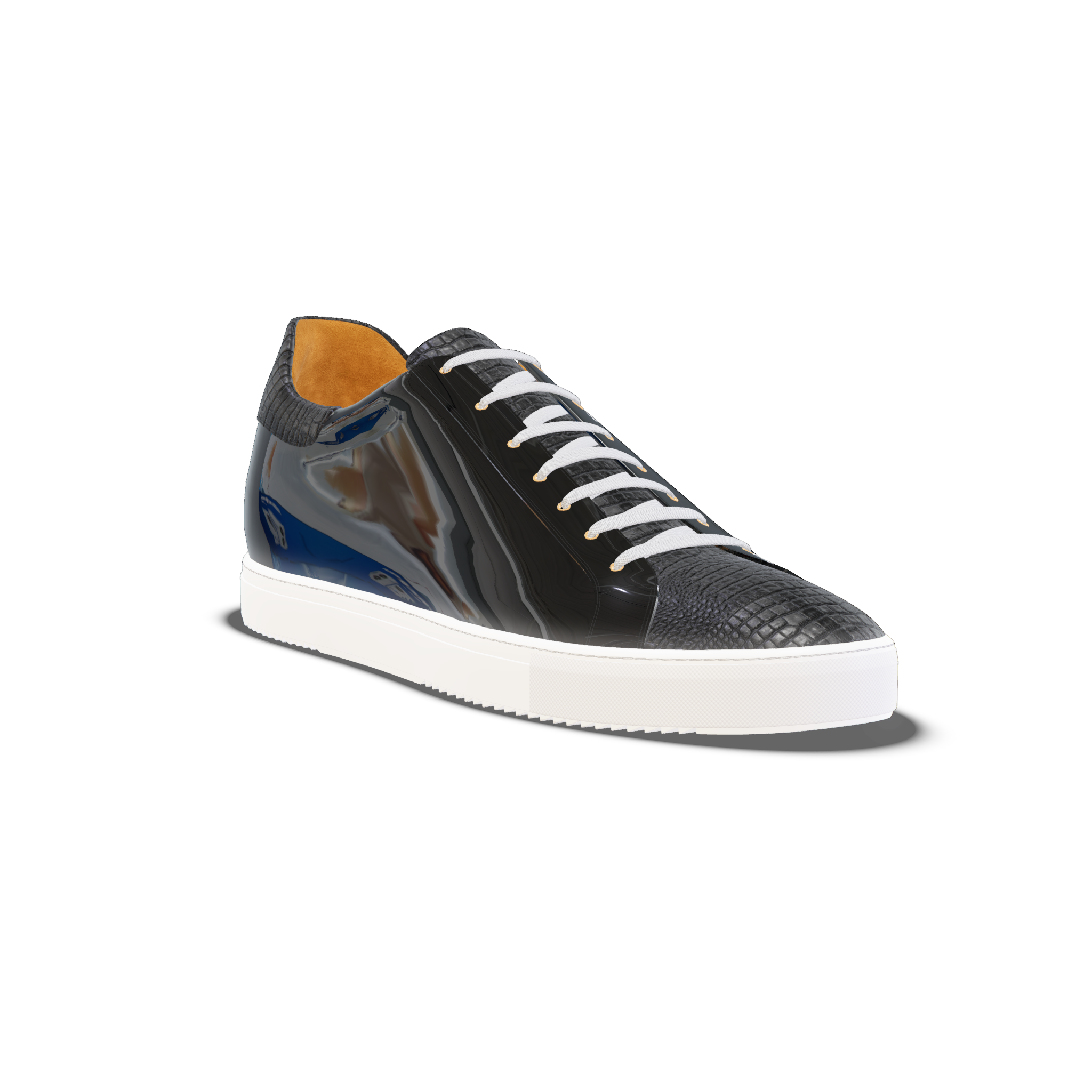
At Jasperosso, the initial design is already personal. The customer chooses the combination of leathers, textures, colours, laces, eyelets and lining before craftspeople in Le Marche turn those decisions into a physical pair of sneakers.
Yet perhaps the three dimensional design studio is only the first stage of customisation.
The second takes years.
It happens when leather responds to movement, when the sneaker becomes more familiar to the foot, when journeys leave subtle evidence and when the owner learns exactly how the pair works within their wardrobe.
This cannot be selected from a menu. It cannot be accelerated. And it cannot be replicated by somebody else. That may be the most personal form of customisation available.
Conclusion: Luxury Should Have a Life
Perhaps we need to stop asking how long luxury can remain perfect. It is the wrong ambition.
Perfection belongs to the moment before ownership. It belongs to shop windows, photography studios, presentation boxes and the few minutes after something new is unwrapped. It is beautiful, but temporary. Life begins afterwards. The watch gets scratched. The bag travels. The chair softens. The jacket adapts. The sneaker creases. And if these things were designed and made well, something more interesting than perfection can gradually replace it. Familiarity. Comfort. Character. Memory.
The object becomes less universally perfect and more specifically ours.
This is the crucial difference between ageing and living. Ageing happens automatically. Living with something requires interaction. It is the hundreds of decisions to choose the same object again, the places it accompanies us, the maintenance we give it and the gradual physical accommodation between product and owner.
This is why restrained design can become so powerful over time. As explored in The Beauty of Restraint, a product that does not exhaust itself making a spectacular first impression leaves room for materials and ownership to contribute something later.
The best luxury objects should have that confidence.
They should not depend upon remaining untouched.
They should expect to leave the house.
They should be capable of surviving ordinary Tuesday mornings as convincingly as significant occasions. They should reward the hundredth use rather than reserving all their appeal for the first. And they should become sufficiently comfortable and familiar that, eventually, we stop thinking about the fact that we once carefully chose them.
We simply choose them again.
There is a tendency to describe luxury as an escape from everyday life. Perhaps the more sophisticated version does precisely the opposite.
It improves everyday life.
Not dramatically. Not through constant novelty or conspicuous display. It does so through a beautifully made object that becomes comfortable, dependable and increasingly personal through use.
A pristine sneaker can show us the skill of the person who made it.
A well-lived-in sneaker can show us something about the person who owns it.
And perhaps that is the point.
The best luxury is not designed to stay perfect. It is designed to become yours.
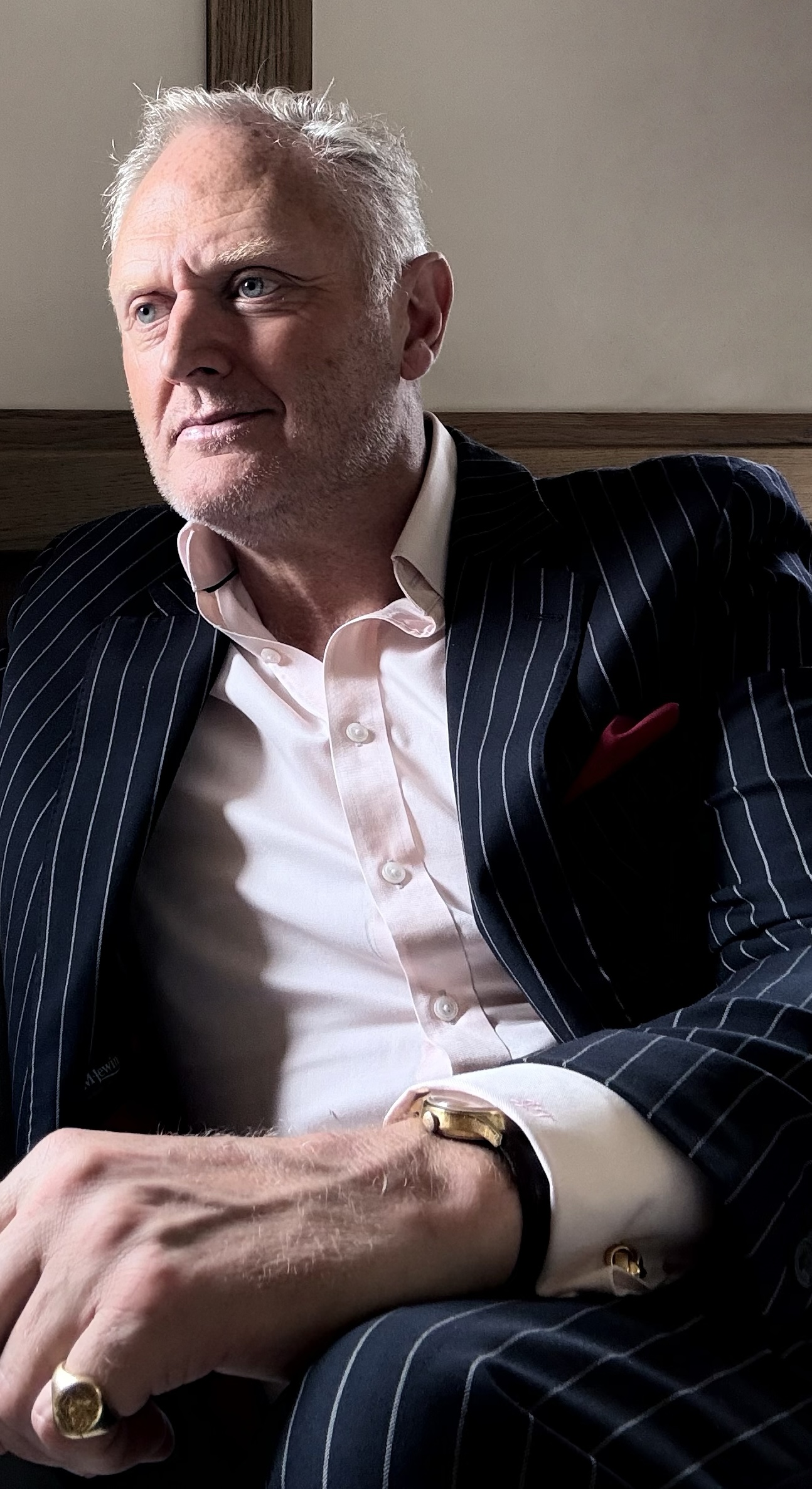
By Jasper Trumble