


Journal
The Luxury of Waiting
20th July 2026
Why the Best Things Rarely Arrive Tomorrow
There was a time when waiting was simply part of life. Letters travelled across countries before they reached their destination, photographs took days to develop, furniture was commissioned months before it was delivered, and a tailor expected multiple fittings before a suit was considered complete. Patience was not viewed as an inconvenience but as an inevitable companion to quality. The passing of time quietly suggested that care, attention and expertise were taking place somewhere beyond our view.
Today, however, waiting has become something to eliminate. We stream films instead of visiting the cinema, groceries appear at our doorstep within an hour, and countless products promise delivery before the sun has set. Technology has achieved extraordinary things, but it has also altered our expectations. Speed is no longer appreciated as a convenience; it has become the benchmark against which almost everything else is measured. If something takes longer than anticipated, many assume that something must have gone wrong.
Luxury has always operated by different rules. The world’s most respected watchmakers do not apologise for long waiting lists. Prestigious car manufacturers routinely quote production times measured in months rather than weeks. Fine furniture workshops speak in seasons rather than days, while bespoke tailoring houses still expect clients to return for fittings long after a ready-made alternative could have been purchased and worn. Their customers understand something increasingly uncommon: time is often evidence that genuine work is taking place.
The irony is that modern life has made waiting rarer than ever before, and that rarity has quietly become one of luxury’s greatest assets. In a culture where almost everything can be obtained immediately, anticipation itself has become valuable. The period between choosing something and finally owning it is no longer empty time to endure; it becomes part of the experience itself. The object begins to gather meaning long before it ever arrives.
This is particularly true when the object has been created specifically for one individual. Designing something personal transforms the purchase from a transaction into a process. Every material selected, every colour considered and every decision made creates a subtle emotional investment. By the time the finished piece reaches its owner, it already feels familiar, not because it has been used before, but because it has already occupied the imagination for weeks.
Perhaps this is why the finest possessions are rarely remembered simply for the moment they were bought. They are remembered for the journey towards ownership. We remember the conversations, the choices, the anticipation and, eventually, the satisfaction that arrives not because something appeared quickly, but because it arrived exactly as it should have.
1. The World Has Fallen in Love with Instant
Modern society has become remarkably efficient at removing friction from everyday life. With a few taps on a screen we can summon transport, order dinner, stream an entire television series or replace almost any household item before tomorrow morning. Convenience has become so deeply woven into daily routines that many people scarcely notice it anymore. What was once considered extraordinary has become ordinary, and expectations have risen accordingly. Waiting even a few days can now feel strangely uncomfortable, despite the fact that such timescales would have seemed unimaginably fast only a generation ago.
This pursuit of immediacy has undoubtedly improved many aspects of life. Essential services are faster, communication is effortless and access to information has never been greater. Few people would genuinely wish to return to an era of unnecessary delays or cumbersome processes. Yet while speed has solved countless practical problems, it has also created an unintended consequence. We have gradually begun to associate fast with better, even in situations where the opposite is often true.
Craftsmanship does not naturally fit into this accelerated rhythm. Italian leather cannot be persuaded to develop its character more quickly because a calendar demands it. Skilled artisans cannot compress decades of experience into a shorter working day, nor can careful inspection be hurried simply because customers have become accustomed to overnight delivery. The finest work has always been governed by the pace of human hands rather than automated machinery, and there remains a profound difference between producing something efficiently and producing something exceptionally well.
This distinction has become increasingly blurred because modern manufacturing is remarkably good at creating the illusion of craftsmanship. Products are marketed using words such as “artisan”, “premium” and “hand-finished” while being produced in enormous quantities with remarkable speed. Consumers are often encouraged to believe they are purchasing something unique, when in reality they are selecting one identical item from thousands already waiting on warehouse shelves. The speed of delivery reinforces the illusion that quality and immediacy naturally belong together.
Luxury quietly resists this way of thinking. It reminds us that not everything meaningful can be accelerated without losing something important in the process. Sometimes the greatest expression of quality is not how quickly something arrives, but the confidence to allow it the time it genuinely requires.
2. When Everything Is Immediate, Nothing Feels Special
One of the least discussed consequences of instant gratification is its effect on memory. Human beings rarely remember experiences that required no anticipation, no effort and no emotional investment. Convenience is wonderfully practical, but it is surprisingly forgettable. Many people struggle to recall purchases made only a few months ago because they appeared so effortlessly that they barely registered as significant events.
Psychologists have long recognised that anticipation forms an important part of enjoyment. Looking forward to a holiday, counting down to a celebration or awaiting the arrival of something carefully chosen often generates as much satisfaction as the experience itself. The mind naturally rehearses future events, imagines possibilities and builds emotional attachment before reality finally arrives. Waiting, far from being empty time, becomes an active part of the pleasure.
This helps explain why meaningful purchases often remain vivid in our memories for years. We remember visiting the atelier, discussing options, comparing materials or imagining how something might eventually look. Each decision reinforces a sense of personal involvement that simply cannot be replicated by clicking a button and receiving a parcel the following morning. Ownership begins well before possession.
In many respects, anticipation transforms an object into a story. The finished product becomes the final chapter rather than the entire narrative. Every stage leading towards it contributes to its eventual significance, making the experience richer and more personal than any instant purchase could ever become. It is not simply that the object is well made; it is that its arrival represents the completion of something thoughtfully considered.
This philosophy lies at the heart of genuine personalisation. When every choice reflects individual taste rather than seasonal trends, the finished result carries a quiet sense of authorship. It becomes far more than another acquisition. As explored in our article, What Your Sneakers Say When You’re Not Speaking, the objects we choose often communicate aspects of our identity long before we ever realise it. Designing those objects ourselves only strengthens that connection.
3. Craftsmanship Doesn’t Work to a Deadline
The modern factory is designed to maximise output. Its success is measured by efficiency, consistency and volume, ensuring that thousands of identical products move predictably from one stage of production to the next. This approach has transformed global manufacturing and made countless goods more accessible than ever before. Yet it is built upon one fundamental principle: the product adapts to the process.
Traditional craftsmanship works in precisely the opposite direction. The process adapts to the product.
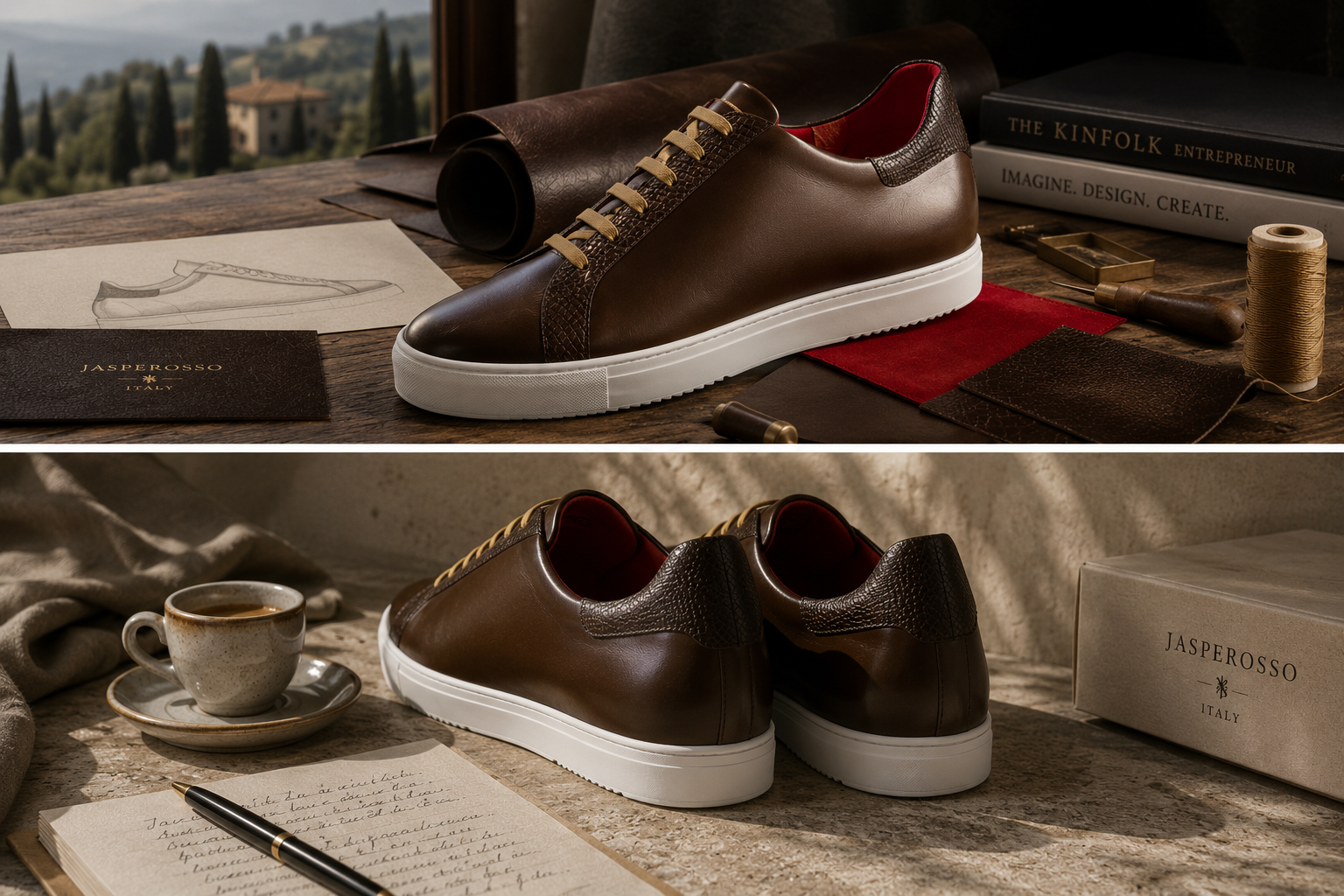
A skilled leather artisan does not begin with a stopwatch. Instead, they begin with the material itself. Every hide possesses subtle differences in grain, texture and character, requiring careful selection before a single cut is made. Stitching must remain perfectly consistent, not because a machine insists upon it, but because years of experience have trained the eye to recognise even the slightest imperfection. Components are assembled with patience rather than urgency, allowing each stage to meet the standards of the craft rather than the demands of production targets.
This approach inevitably requires time because excellence cannot be separated from judgement. Machines excel at repetition, but judgement remains uniquely human. It is the ability to recognise when something feels right rather than merely meeting specification. That subtle distinction is impossible to quantify, yet it is immediately recognisable in the finished product.
Our article, Why Leather Still Wins (Despite Everything), explores this relationship between natural materials and skilled craftsmanship in greater depth. Leather rewards patience in ways that synthetic alternatives simply cannot. It responds differently to handling, develops character through use and carries subtle variations that remind us it began as something natural rather than something manufactured. Those qualities deserve the time required to honour them, and genuine luxury has never apologised for allowing craftsmanship to dictate the pace rather than the production schedule.
4. The Forgotten Pleasure of Looking Forward to Something
There is a particular kind of excitement that has become increasingly unfamiliar in modern life. It is not the brief satisfaction of an impulse purchase or the fleeting novelty of opening another cardboard box left on the doorstep. Instead, it is the quieter, more enduring anticipation that grows steadily over time. It begins the moment a decision is made and deepens with each passing day, transforming the act of waiting into part of the reward itself.
Children understand this instinctively. Birthdays seem to arrive more slowly because they spend weeks imagining them. Holidays feel memorable long before the suitcase is packed because the anticipation becomes woven into everyday conversation. Adults, however, often lose this ability. Convenience has encouraged us to shorten the distance between desire and ownership until the two have become almost inseparable. We purchase, receive and move on with barely enough time for expectation to develop.
Luxury offers an opportunity to rediscover that forgotten rhythm. When something has been commissioned rather than selected from stock, the imagination has room to work. You begin to picture where it will accompany you, how it will feel the first time you wear it and how it might gradually become part of your daily routine. These thoughts are not distractions from ownership; they are the beginning of it. By the time the finished product finally arrives, it already carries familiarity because you have lived with the idea long before you held it in your hands.
This emotional investment is one of the reasons genuinely personal possessions remain with us for so many years. We rarely form lasting attachments to things that arrive without effort or thought. Instead, attachment grows through participation. Every decision contributes to the finished result, and every day of anticipation quietly reinforces the feeling that this object belongs to no one else. As explored in The Ritual of Putting Your Shoes On, luxury is often defined not by dramatic moments but by small, repeated experiences that gradually become part of who we are.
Looking forward to something should never be mistaken for impatience. It is, instead, an affirmation that what lies ahead is worth caring about. In many ways, anticipation is proof that an object already holds value before it even exists in its finished form.
5. Why Made-to-Order Is the Opposite of Mass Production
Walk into most retail stores and every product has already lived the majority of its life before you ever encounter it. It has been manufactured in large quantities, transported across continents, stored in warehouses, distributed between shops and finally placed on a shelf where it waits for an unknown customer. Whether it is purchased today, next month or never at all makes little difference to the object itself. It was created long before its eventual owner appeared.
Made-to-order craftsmanship reverses that sequence entirely. Nothing meaningful begins until the customer makes a decision. The product has no existence before that moment because it has not yet been imagined in its final form. Every choice, from the leather and lining to the sole and finishing details, sets a unique process in motion. Instead of searching for the closest available option, the customer becomes part of creating something that has never previously existed.
This distinction changes the relationship between maker and owner in subtle but important ways. Rather than buying into somebody else’s forecast of what might sell well, the customer commissions something that reflects their own judgement. Trends become largely irrelevant because the objective is no longer to follow fashion but to express individual taste. The result is not simply greater exclusivity; it is greater authenticity. The finished product feels personal because it genuinely is.
Mass production has its place. It delivers affordability, consistency and accessibility on an extraordinary scale. Yet efficiency inevitably requires compromise. Decisions must be standardised, options reduced and individuality sacrificed in favour of predictability. There is nothing inherently wrong with this approach, but it serves a fundamentally different purpose from bespoke craftsmanship. One aims to satisfy the greatest number of people as quickly as possible. The other exists to satisfy one person exceptionally well.
This philosophy sits comfortably alongside the ideas explored in The Anti-Collection – Why One Pair Is Enough. When possessions are chosen thoughtfully and created specifically for their owner, there is less desire to accumulate endless alternatives. Satisfaction comes not from quantity but from the quiet confidence that what you already own was made with intention rather than convenience.
6. The Value Begins Before the Box Arrives
Most purchases begin when the packaging is opened. That is the first moment the customer truly interacts with what they have bought. Everything beforehand is transactional: payment is taken, confirmation emails arrive and delivery tracking provides reassurance that the parcel is somewhere between warehouse and doorstep. Ownership begins only when the product is finally removed from its box.
Made-to-order craftsmanship follows a remarkably different path. Ownership begins at the very first decision.
Selecting materials, comparing colours and refining details are not administrative steps leading towards a purchase. They are the earliest chapters of the ownership experience itself. Every choice requires consideration because there is no default solution waiting on a shelf. The customer is no longer merely buying a finished product; they are participating in its creation. This involvement changes the emotional relationship long before the first stitch has even been sewn.
There is a fascinating psychological principle known as the “IKEA Effect”, which suggests that people place greater value on things they have helped create. While assembling flat-pack furniture may not sound particularly luxurious, the underlying idea remains surprisingly relevant. Participation creates attachment. The more thoughtfully we contribute to something, the more meaningful it becomes. Designing a pair of sneakers is not labour in the traditional sense, but it follows the same emotional logic. Time spent choosing details becomes part of the value itself.
Perhaps this explains why bespoke objects often feel different from the very first day. They do not require months of use before they become personal because they already carry evidence of personal decisions. The finished piece reflects not only the craft of the artisan but also the judgement of its owner. It represents collaboration rather than consumption.
In Designed Once, Worn Forever, we explored the idea that thoughtful design outlives passing fashion. The same principle applies here. The process of carefully selecting every detail naturally encourages longer-term thinking. Instead of asking what looks fashionable today, the question becomes what will continue to feel right years from now. That subtle shift often produces better decisions because it replaces impulse with intention.
7. Luxury Should Never Feel Disposable
One of the defining characteristics of disposable culture is not poor quality but emotional distance. Products are designed to be replaced so frequently that we rarely develop any lasting attachment to them. A phone upgrade is announced before the previous model has even settled into our pockets. Trainers are marketed around seasonal colour palettes that quietly imply obsolescence before the soles have begun to soften. Ownership becomes temporary by design.
Luxury has traditionally rejected this cycle. Its purpose has never been to encourage constant replacement but to reward long-term ownership. The finest objects remain desirable not because they continue to dominate advertising campaigns but because they continue to perform their role beautifully year after year. Their relevance is determined by craftsmanship rather than novelty.
This approach demands confidence from both maker and owner. The maker must believe that their work deserves to remain part of somebody’s life for many years. The owner must resist the subtle pressure to confuse change with improvement. Neither position is particularly fashionable in an economy built upon continuous consumption, yet both reflect a quieter understanding of value. Permanence has become surprisingly radical.
There is also a sustainability argument here, although genuine luxury rarely begins with environmental messaging. Well-made products naturally consume fewer resources over time simply because they do not require constant replacement. Longevity becomes the most practical form of sustainability, achieved not through marketing slogans but through better design and superior materials. It is difficult to argue that replacing one exceptional product every decade is less responsible than replacing ten mediocre alternatives during the same period.
As discussed in Why Real Luxury Rarely Looks New, truly exceptional possessions often become more attractive through use rather than less. Small signs of wear record experience instead of diminishing beauty. The relationship evolves rather than expires, reminding us that luxury should accompany life rather than compete with it.
8. Waiting Creates Stories, Not Just Deliveries
The difference between receiving a parcel and receiving something that has been made specifically for you is difficult to explain until you have experienced both. From the outside they appear almost identical. A box arrives, it is opened and the contents are revealed. Yet emotionally they occupy entirely different worlds because one represents logistics while the other represents a journey.
Stories give objects their depth. A grandfather’s watch matters not because of its mechanical movement alone but because it carries decades of shared history. A favourite fountain pen becomes irreplaceable because it has signed contracts, written letters and travelled through important moments in its owner’s life. Objects accumulate meaning because they become witnesses to our experiences, and that process begins long before they become old enough to be called heirlooms.
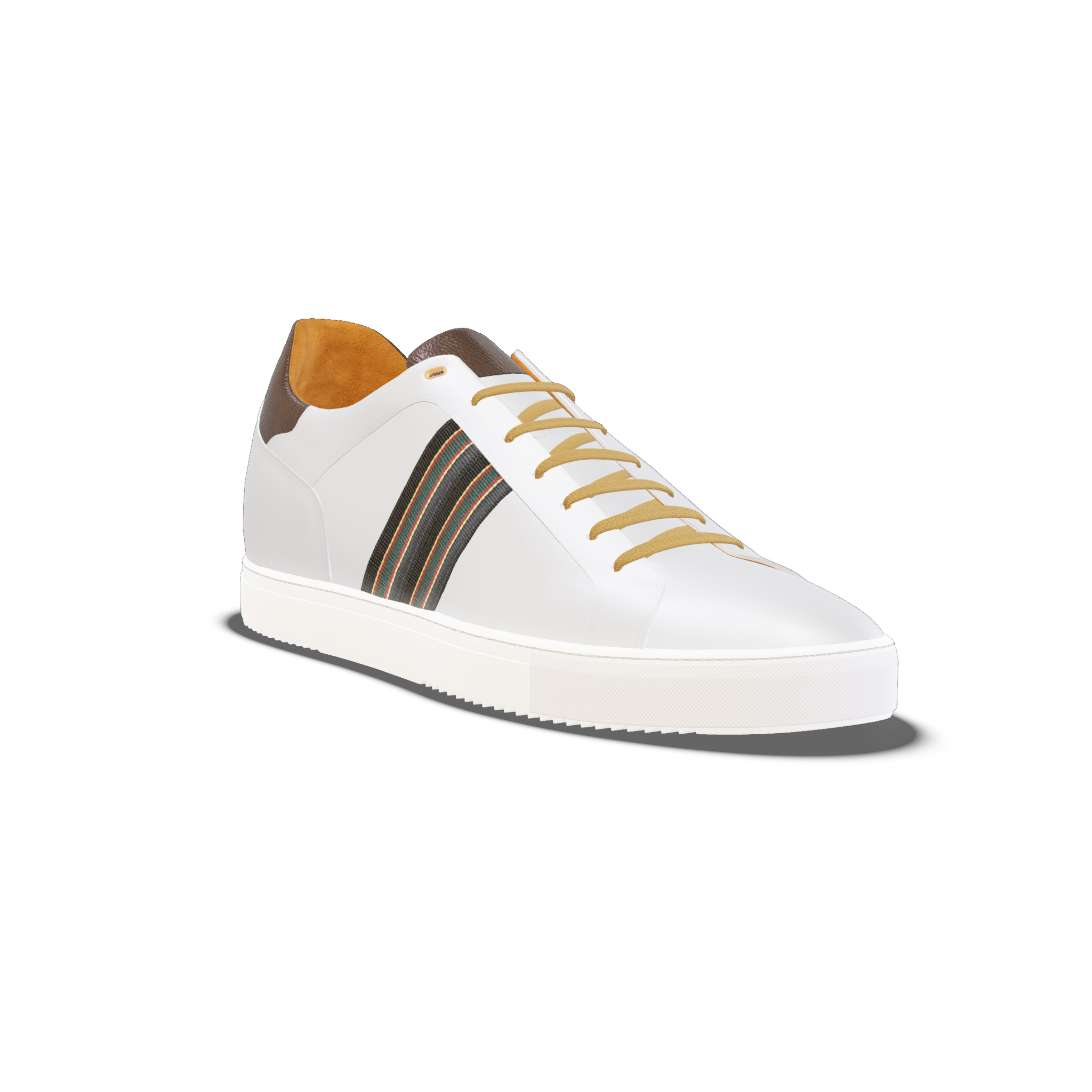
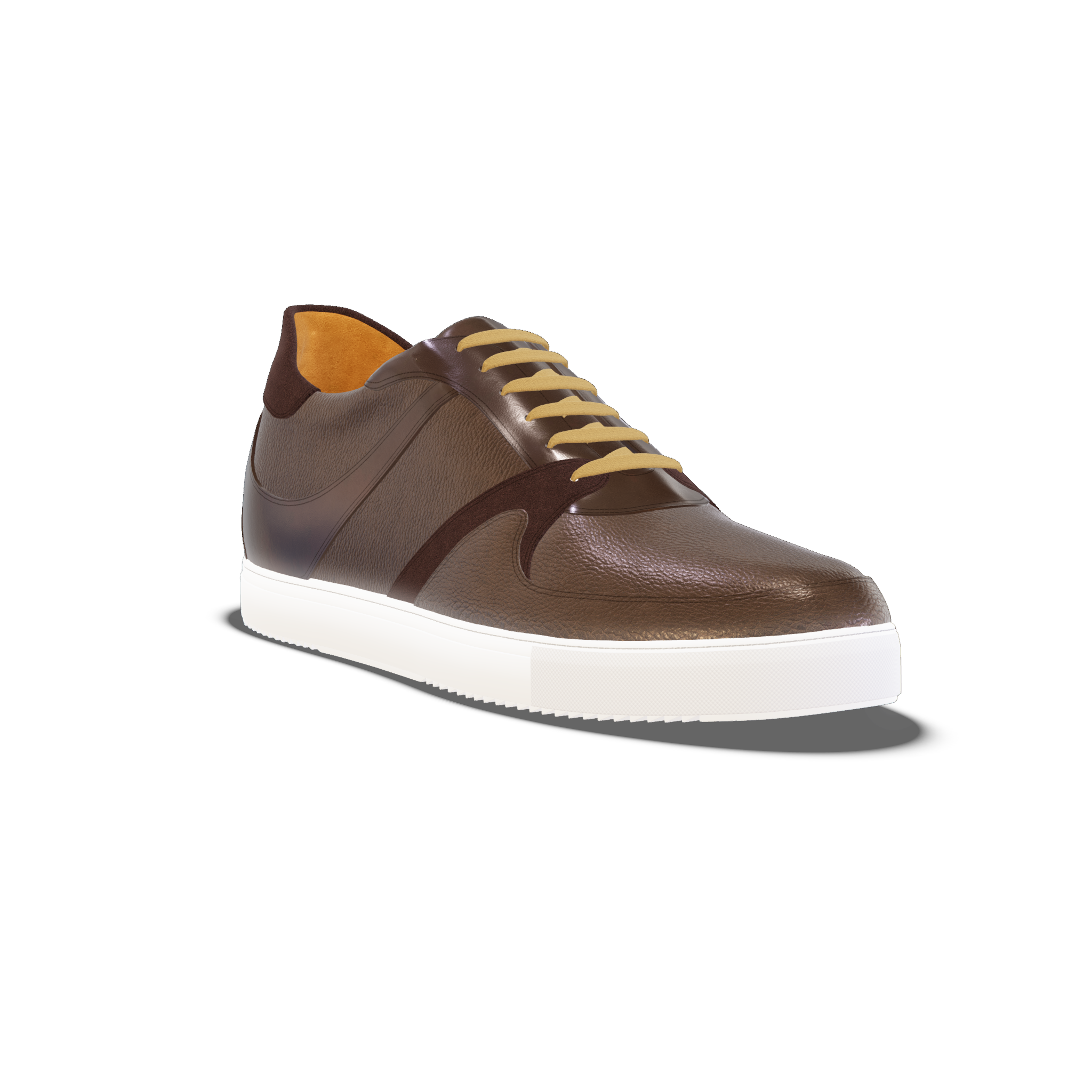
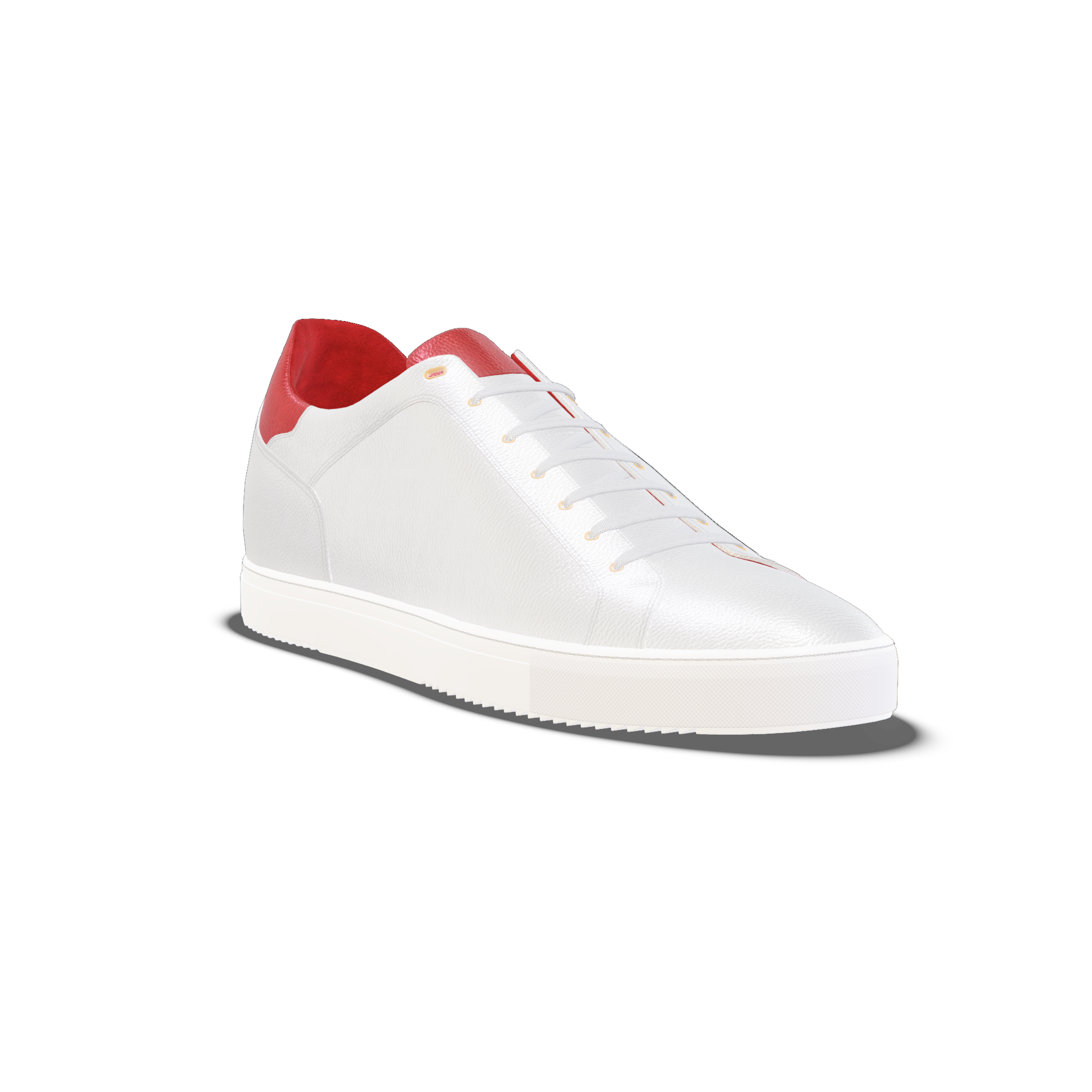
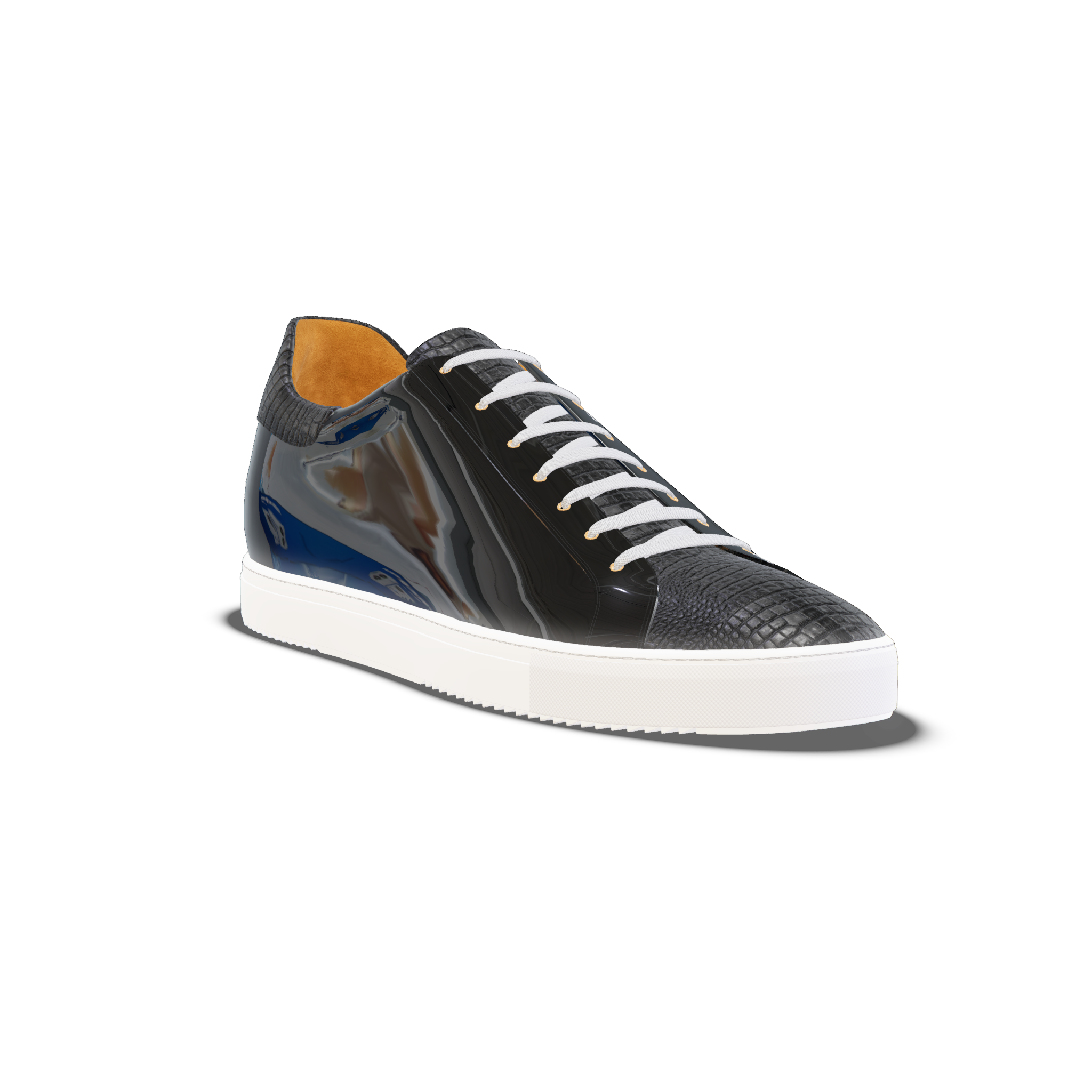
Made-to-order craftsmanship begins writing that story from the very beginning. The first chapter is the decision to create something rather than merely purchase it. The following chapters unfold through conversations, design choices, skilled hands in an Italian workshop and the quiet anticipation of knowing that somewhere, people you will probably never meet are carefully bringing your ideas to life. By the time the finished sneakers arrive, they already possess a history that mass-produced products can never replicate.
That history continues long after delivery. Every journey taken, every city explored and every memory created adds another layer to the narrative. Years later, what remains valuable is rarely the receipt or even the original price. Instead, it is the collection of experiences that gradually became attached to the object itself. As explored in The Weight of a Well-Made Sneaker, exceptional craftsmanship often becomes almost invisible during daily life, quietly supporting the experiences that ultimately matter far more than the object alone.
Luxury has always been about more than ownership. At its very best, it is about creating things that deserve to become part of somebody’s story. Waiting, it turns out, is simply where that story begins.
9. The Satisfaction That Can’t Be Express Shipped
There is a subtle but important difference between satisfaction and excitement. Excitement is immediate. It arrives quickly, burns brightly and often disappears just as fast. Satisfaction is slower. It develops over time, settles quietly and has a remarkable tendency to last. Modern retail has become exceptionally good at delivering excitement, but genuine satisfaction remains far more elusive because it cannot be manufactured through convenience alone.
Consider how often impulse purchases lose their appeal within weeks. The anticipation lasted only minutes because ownership followed almost immediately. Once the novelty fades, little remains beyond the object itself. There was no journey towards it, no thoughtful consideration and no meaningful investment beyond the payment. The experience begins and ends at the checkout.
Objects created over time follow a different emotional trajectory. Their satisfaction is built gradually, layer by layer. It begins with the initial decision, grows through anticipation and reaches its first conclusion when the finished piece finally arrives. Yet unlike excitement, it does not disappear after the unboxing. Instead, it evolves into something quieter and more enduring. Every time the object is used, it gently reinforces the original decision. Rather than asking, “Was this worth it?” the owner finds themselves thinking, “I’m glad I waited.”
This difference explains why some purchases continue to provide pleasure years later while others are quickly forgotten. The object itself certainly matters, but so does the process that brought it into existence. Human beings instinctively value experiences that require commitment because commitment signals importance. Waiting becomes part of that commitment. It quietly reminds us that worthwhile things are rarely designed around convenience.
There is also an undeniable confidence in choosing something that refuses to compete on speed alone. A craftsperson who tells you they need time is making a promise rather than offering an excuse. They are saying that quality will determine the schedule, not the other way around. In an age where every business claims to be faster than the next, the willingness to prioritise excellence over immediacy feels refreshingly honest.
This honesty lies at the heart of luxury. It does not ask customers to lower their expectations; it asks them to raise them. It suggests that ownership should be measured not by how quickly something arrives, but by how long it continues to reward the person who chose it. That is an entirely different philosophy from modern consumer culture, and perhaps that is precisely why it feels so refreshing.
As we explored in The Gap Between Price and Value, the most meaningful purchases rarely justify themselves in the first week. Their true worth becomes apparent over months and years, as the quality of the original decision quietly reveals itself through everyday use. Waiting is simply the first investment made in an ownership experience that continues long after delivery.
10. Good Things Don’t Take Time. The Right Things Do.
There is a familiar phrase that claims all good things take time. It is comforting, but it is not entirely accurate. Plenty of good things happen quickly. A conversation with an old friend, a spectacular sunset or an unexpected opportunity can appear without warning and become unforgettable. Time alone is not what creates value.
What distinguishes exceptional craftsmanship is not that it takes longer for the sake of tradition. It takes exactly as long as it needs. There is an important difference. Luxury should never manufacture delay simply to appear exclusive. Artificial scarcity is not craftsmanship, and inconvenience is not sophistication. The finest makers understand this instinctively. They work patiently because the work demands patience, not because patience has become fashionable.
This distinction matters because genuine luxury has always been rooted in authenticity. The finest leather requires careful selection. Every stitch deserves scrutiny. Every finish benefits from experience rather than haste. None of these steps exist to prolong production unnecessarily. They exist because excellence is often the accumulation of hundreds of small decisions, each one almost invisible in isolation yet unmistakable in the finished result.
Perhaps this is why truly luxurious objects feel so calm. They never seem anxious to impress. They do not chase trends, compete for attention or rely on constant novelty to justify their existence. Instead, they possess the quiet confidence of things that have been allowed to become exactly what they were intended to be. That confidence is difficult to manufacture because it grows naturally from care rather than urgency.
Waiting, then, is not something luxury asks us to endure. It is something it quietly teaches us to appreciate. It reminds us that anticipation enriches ownership, that thoughtful decisions produce deeper satisfaction and that craftsmanship deserves to move at the pace required by human skill rather than digital expectation. In doing so, it challenges one of the defining assumptions of modern life: that faster is always better.
The irony is that, despite living in an age of unprecedented convenience, many people feel increasingly disconnected from the things they own. Products arrive, perform their function and disappear into the background almost immediately. We replace them not because they have failed, but because they never established any lasting relationship with us in the first place. They solved a problem, but they never became meaningful.
The finest possessions achieve precisely the opposite. They ask a little more of us in the beginning, more thought, more patience and more intention but they reward us for many years afterwards. They become companions rather than consumables, quietly earning their place in our daily lives until it becomes difficult to imagine life without them. They are no longer simply products. They have become part of our personal story.
Perhaps that is the real luxury of waiting. It has very little to do with calendars or delivery dates. Instead, it represents a decision to value permanence over immediacy, craftsmanship over convenience and meaning over speed. In a world determined to eliminate every pause, choosing to wait for something exceptional becomes a surprisingly powerful statement about what we believe deserves our time.
The next time someone asks why a handcrafted, made-to-order pair of Italian leather sneakers cannot arrive tomorrow, perhaps the better question is this: if they could, what part of their story would have been lost along the way?
By Jasper Trumble